
• KGS/USD = 0.01144 0%
  • KZT/USD = 0.00202 0%
  • TJS/USD = 0.10448 -0.19%
  • UZS/USD = 0.00008 0%
  • TMT/USD = 0.28490 0%
  • KGS/USD = 0.01144 0%
  • KZT/USD = 0.00202 0%
  • TJS/USD = 0.10448 -0.19%
  • UZS/USD = 0.00008 0%
  • TMT/USD = 0.28490 0%
  • KGS/USD = 0.01144 0%
  • KZT/USD = 0.00202 0%
  • TJS/USD = 0.10448 -0.19%
  • UZS/USD = 0.00008 0%
  • TMT/USD = 0.28490 0%
  • KGS/USD = 0.01144 0%
  • KZT/USD = 0.00202 0%
  • TJS/USD = 0.10448 -0.19%
  • UZS/USD = 0.00008 0%
  • TMT/USD = 0.28490 0%
  • KGS/USD = 0.01144 0%
  • KZT/USD = 0.00202 0%
  • TJS/USD = 0.10448 -0.19%
  • UZS/USD = 0.00008 0%
  • TMT/USD = 0.28490 0%
  • KGS/USD = 0.01144 0%
  • KZT/USD = 0.00202 0%
  • TJS/USD = 0.10448 -0.19%
  • UZS/USD = 0.00008 0%
  • TMT/USD = 0.28490 0%
  • KGS/USD = 0.01144 0%
  • KZT/USD = 0.00202 0%
  • TJS/USD = 0.10448 -0.19%
  • UZS/USD = 0.00008 0%
  • TMT/USD = 0.28490 0%
  • KGS/USD = 0.01144 0%
  • KZT/USD = 0.00202 0%
  • TJS/USD = 0.10448 -0.19%
  • UZS/USD = 0.00008 0%
  • TMT/USD = 0.28490 0%

Viewing results 1 - 6 of 16

Kazakhstan, Tajikistan, and Uzbekistan to Share Water from Bahri Tojik Reservoir in Summer 2025

Kazakhstan, Tajikistan, and Uzbekistan have agreed to jointly use irrigation water from Tajikistan’s Bahri Tojik reservoir during the summer of 2025. The Bahri Tojik reservoir, formerly known as the Kairakkum reservoir until its renaming in 2016, is one of Tajikistan’s largest water bodies. Located in the Sughd region in the north of the country, it was constructed on the Syr Darya River and has been operational since 1959. During the summer growing season, Tajikistan typically releases additional water to support downstream countries, including Uzbekistan and Kazakhstan, which face seasonal irrigation shortages. Water ministers from the three countries signed a protocol outlining the use of the reservoir from June to August 2025. The agreement aims to ensure a balanced and equitable distribution of water resources among the signatories. For Kazakhstan, the agreement is particularly significant, as the country anticipates receiving 491 million cubic meters of water from the reservoir at the height of the growing season. Nurzhan Nurzhigitov, Kazakhstan’s Minister of Water Resources and Irrigation, stressed the importance of regional cooperation on water issues. “Kazakhstan is committed to implementing joint projects on water resources management, as well as promoting the principles of international water law. Water is not only a natural resource, but also an instrument of sustainable development and regional stability,” he said.

Kyrgyz Farmers to Pay Less for Irrigation Water Following Tariff Reform

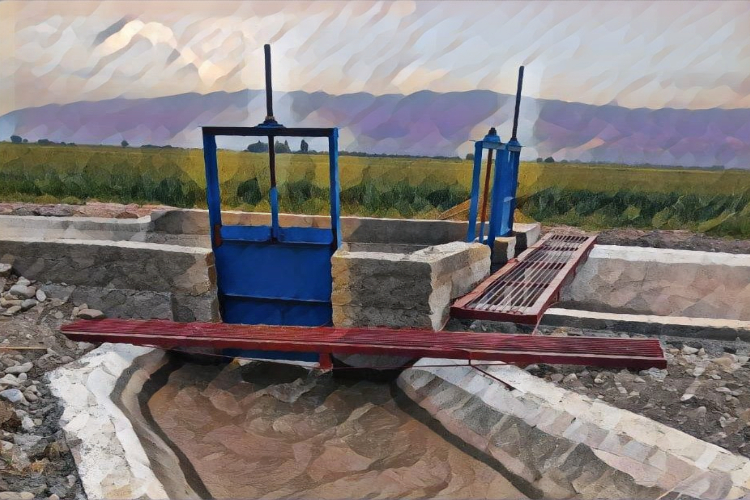
Kyrgyzstan has revised its irrigation water tariffs for agricultural land following a comprehensive review by the Water Resources Service. The analysis revealed that farmers have been significantly overpaying for water due to intermediary pricing by the Water Users Association. According to Melis Raimkulov, Deputy Director of the Water Resources Service, farmers were paying as much as 2,000 KGS ($23) per hectare, four times the actual rate of 500 KGS ($5.50). “In fact, the tariff has not changed, but now we have formalized it and calculate it based on irrigation norms,” Raimkulov explained. “According to these norms, about 1,100 cubic meters of water are needed to irrigate one hectare of land during the irrigation season.” The Water Users Association, a private entity responsible for collecting irrigation payments, had been setting prices independently, often without transparency. Minister of Water Resources, Agriculture, and Processing Industry, Bakyt Torobaev, criticized the association’s practices, noting that rates during the irrigation season ranged from 1,000 to 2,500 KGS ($11 to $29) per hectare, and in some cases, reached as high as 10,000-15,000 KGS ($115-$170). “But no one knows if enough water was provided,” Torobaev remarked. The Ministry of Agriculture estimates that the Water Users Association collected approximately 1.5 billion KGS ($17 million) per season, though the allocation of those funds remains unclear. In response, the government has transferred responsibility for fee collection to the Water Resources Service. The proceeds will now be directed toward improving the country’s water infrastructure. According to official data, spring sowing in Kyrgyzstan is nearly complete, with 80% of the planned area already cultivated.