

• KZT/USD = 0.00212
  • TJS/USD = 0.10810
  • UZS/USD = 0.00008
  • TMT/USD = 0.29760
  • KZT/USD = 0.00212
  • TJS/USD = 0.10810
  • UZS/USD = 0.00008
  • TMT/USD = 0.29760
  • KZT/USD = 0.00212
  • TJS/USD = 0.10810
  • UZS/USD = 0.00008
  • TMT/USD = 0.29760
  • KZT/USD = 0.00212
  • TJS/USD = 0.10810
  • UZS/USD = 0.00008
  • TMT/USD = 0.29760
  • KZT/USD = 0.00212
  • TJS/USD = 0.10810
  • UZS/USD = 0.00008
  • TMT/USD = 0.29760
  • KZT/USD = 0.00212
  • TJS/USD = 0.10810
  • UZS/USD = 0.00008
  • TMT/USD = 0.29760
  • KZT/USD = 0.00212
  • TJS/USD = 0.10810
  • UZS/USD = 0.00008
  • TMT/USD = 0.29760
  • KZT/USD = 0.00212
  • TJS/USD = 0.10810
  • UZS/USD = 0.00008
  • TMT/USD = 0.29760

Viewing results 1 - 6 of 2

Direct Flights Between Almaty and Lake Issyk-Kul Resume

Kyrgyzstan’s state-owned Asman Airlines will resume seasonal direct flights between Almaty, Kazakhstan’s largest city, and Lake Issyk-Kul, Kyrgyzstan’s leading summer tourist destination. One-hour flights will begin on July 10 and arrive at Issyk-Kul International Airport in the village of Tamchy on the lake’s northern shore. The service will operate twice a week, on Mondays and Fridays, in partnership with tour operator Kompas, Asman Airlines’ official partner in Kazakhstan. Round-trip fares start at $120. Asman Airlines currently operates three Dash 8 Q400 aircraft, Canadian-made short-haul turboprop planes capable of carrying up to 80 passengers over distances of up to 2,000 kilometers. The aircraft are used on domestic routes across Kyrgyzstan after the airline recently restored air links between Bishkek and several remote regional centers. Lake Issyk-Kul remains one of the most popular summer destinations for tourists from across Central Asia, particularly residents of Almaty looking for short weekend trips. The Almaty-Tamchy route is expected to make travel easier for visitors from southern Kazakhstan by significantly reducing travel time during the peak holiday season. By road, the journey from Almaty to Issyk-Kul currently covers more than 460 kilometers via Bishkek and usually takes around eight hours. Efforts to shorten the overland route are continuing. As previously reported by The Times of Central Asia, Kazakhstan and Kyrgyzstan have been advancing a long-discussed highway project intended to directly connect Almaty with Issyk-Kul. Although the two locations are only about 80 kilometers apart in a straight line, mountain ranges force travelers to make a long detour through the Kyrgyz capital. Issyk-Kul has also become more accessible to travelers from Kazakhstan’s capital. According to Kazakhstan’s Ministry of Transport, FlyArystan began regular flights between Astana and Issyk-Kul on July 3. The flights operate twice a week, on Mondays and Fridays, using an Airbus A320. On July 8, Asman Airlines also launched a seasonal direct service between Tashkent, Uzbekistan’s capital, and Lake Issyk-Kul.
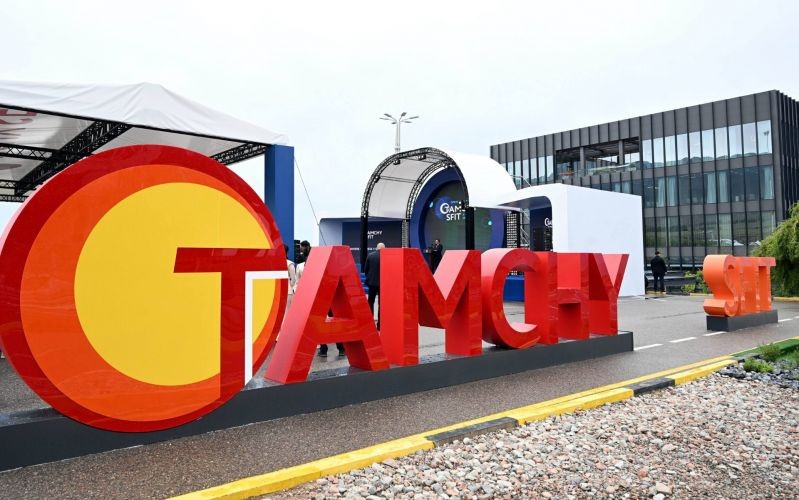

Kyrgyzstan Launches Tamchy Financial Zone to Attract Foreign Capital

Kyrgyzstan officially inaugurated the Tamchy Special Financial Investment Territory (SFIT) on July 3 on the northern shore of Lake Issyk-Kul, marking the launch of a new investment zone designed to attract foreign capital and position the country as a regional financial and business hub. Located near the village of Tamchy and close to Issyk-Kul International Airport, the SFIT operates under a separate legal framework aimed at attracting domestic and international investment, improving Kyrgyzstan's investment climate, and supporting growth in manufacturing, tourism, wellness services, and transport infrastructure. The zone also features an independent international dispute resolution center operating under English common law. The Tamchy SFIT covers approximately 6,000 hectares. Companies registered within the zone will operate under English common law, benefit from a zero-tax regime for 49 years, and be allowed to repatriate 100% of their profits. Speaking at the opening ceremony, President Sadyr Japarov expressed confidence that the Tamchy SFIT would become a regional and global investment platform. "According to forecasts, the project will gradually gain momentum, and by 2035, more than 3,900 resident companies are expected to operate in this investment territory, creating over 10,000 new jobs," the president said. Japarov also pointed to the project’s economic impact. "When companies enter the financial investment territory, they bring new orders for builders, suppliers, transport companies, hotels, restaurants, service organizations, farmers, and entrepreneurs. Thus, this project provides jobs for our people, new opportunities for businesses, and new sources of economic growth for the state," he said. The president said the zone’s legal and regulatory framework draws on the experience of several leading international financial centers. He named Dubai and Singapore, and also cited Luxembourg. "We've adopted proven models from these countries' experience and sought to combine them with the national advantages of the Kyrgyz Republic, the unique location of Lake Issyk-Kul, and our human potential," Japarov said. A central feature of the new investment zone is its independent International Center for Dispute Resolution operating under English law. "This important step will significantly enhance trust in the project and make the SFIT's legal framework one of its key competitive advantages," the president said. Japarov also stressed that economic development in the zone would not come at the expense of the environment. "The development of the Tamchy special territory will be carried out with full consideration of the lake's conservation requirements and its unique natural environment. Issyk-Kul is a natural gem, our national treasure, and a symbol of the country. Whatever projects are implemented in the Tamchy special territory, they will be carried out only in compliance with environmental requirements and under strict oversight," he said. During the ceremony, the president presented certificates to the first five resident companies representing the UAE, Hong Kong, Switzerland, Kazakhstan, and South Korea. The organizers also announced registration fees and licensing costs for companies operating in the zone. Company registration within SFIT will cost a minimum of $525, while registration of investment funds starts at $975. According to the organizers, businesses operating within SFIT will be able to...