Kazakhstan’s Jewelry Market Faces New Rules on Gold and Hallmarking
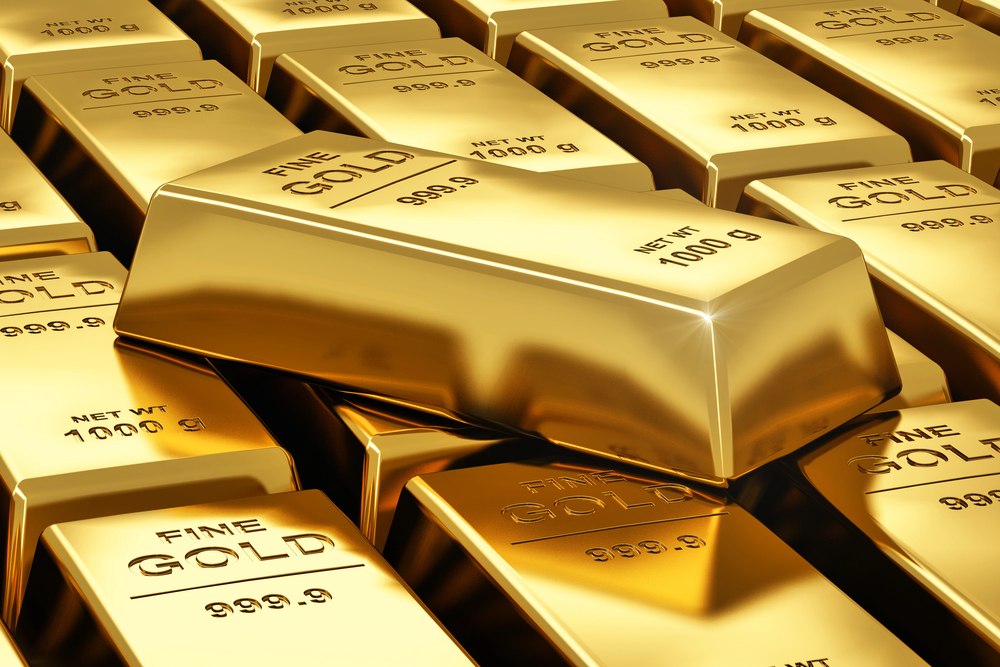
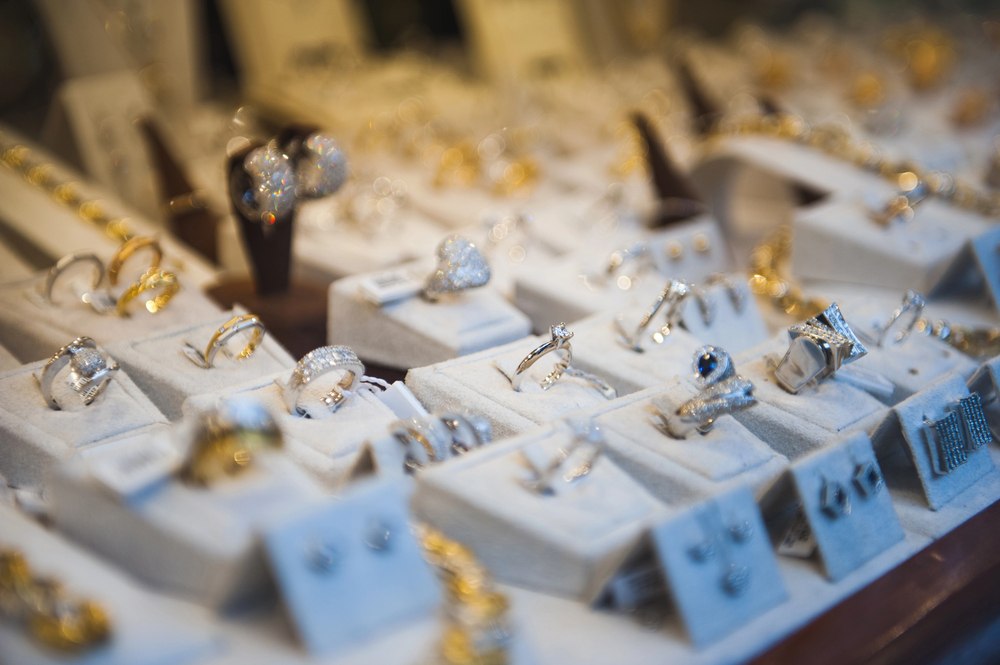
Kazakhstan produces and exports billions of dollars’ worth of gold, yet officially recorded domestic jewelry production amounted to just $7.2 million in 2025. The government now plans to tackle the gray areas of the market, from the origin of gold used by workshops to scrap from pawnshops and mandatory hallmarking of jewelry. According to the Ministry of Industry and Construction, the domestic jewelry market was worth about $168 million last year, up 3.4% from 2024. But market participants say that a significant share of trade in precious metals and jewelry remains outside the formal economy. The contrast is particularly striking given Kazakhstan’s position as a major gold producer and exporter. According to international trade statistics for 2025, Switzerland imported more than $1.1 billion worth of unwrought and semi-manufactured gold from Kazakhstan, the United Kingdom about $561 million, and Azerbaijan about $262 million. Together, those three destinations alone accounted for nearly $2 billion. Kazakhstan’s own reported export figures under the same trade category were considerably lower, highlighting a substantial discrepancy between the two sets of customs data. The path gold takes from extraction to a local jewelry workshop remains one of the industry’s weak points. Deputy Prime Minister and Minister of National Economy Serik Zhumangarin said jewelers need a legal and affordable source of raw material. “We have major jewelry centers, and it is important to preserve this heritage and bring as much of the industry as possible into the legal economy,” Zhumangarin said, citing the importance of giving jewelers access to legally sourced gold. Pawnshops are another part of the gray market. In 2025, they sent about 3.2 metric tons of precious-metal scrap and waste to Tau-Ken Altyn for processing, down from 3.8 tons a year earlier. Tau-Ken Altyn operates a major precious-metals refinery in Astana. Refining involves purifying mined or recycled metal to a high degree of purity. The government is now considering requiring jewelry scrap and waste to be transferred to refiners. The authorities also want to revise the rules governing its acceptance and subsequent sale. The exact size of the shadow market is unknown. In 2024, Kaysar Zhumagaliyev, head of Kazakhstan’s League of Jewelers, said as much as 99% of the market was operating in the shadows. The association estimated the gray market at approximately $850 million to $960 million a year, using the average exchange rate for 2024. Zhumagaliyev linked it to underground workshops, smuggling, and gold purchases outside official channels. The government’s latest figures offer a more cautious picture, but they clearly illustrate the gap between registered businesses and the control system. In 2024, only 45 market participants submitted jewelry for mandatory hallmarking. In 2025, that number rose to 959. Tax authorities count 3,520 taxpayers working with jewelry, meaning that about 27% of them submitted products for mandatory hallmarking last year. A hallmark certifies the fineness of the precious metal and indicates that a piece has passed through the legal control system. The procedure therefore provides the authorities with one of the few measurable indicators...