
• KZT/USD = 0.00217
  • TJS/USD = 0.10810
  • UZS/USD = 0.00009
  • TMT/USD = 0.29850
  • KZT/USD = 0.00217
  • TJS/USD = 0.10810
  • UZS/USD = 0.00009
  • TMT/USD = 0.29850
  • KZT/USD = 0.00217
  • TJS/USD = 0.10810
  • UZS/USD = 0.00009
  • TMT/USD = 0.29850
  • KZT/USD = 0.00217
  • TJS/USD = 0.10810
  • UZS/USD = 0.00009
  • TMT/USD = 0.29850
  • KZT/USD = 0.00217
  • TJS/USD = 0.10810
  • UZS/USD = 0.00009
  • TMT/USD = 0.29850
  • KZT/USD = 0.00217
  • TJS/USD = 0.10810
  • UZS/USD = 0.00009
  • TMT/USD = 0.29850
  • KZT/USD = 0.00217
  • TJS/USD = 0.10810
  • UZS/USD = 0.00009
  • TMT/USD = 0.29850
  • KZT/USD = 0.00217
  • TJS/USD = 0.10810
  • UZS/USD = 0.00009
  • TMT/USD = 0.29850
21 August 2026

Viewing results 1 - 6 of 2

Comic Con Astana 2026 Draws Game of Thrones and One Piece Stars

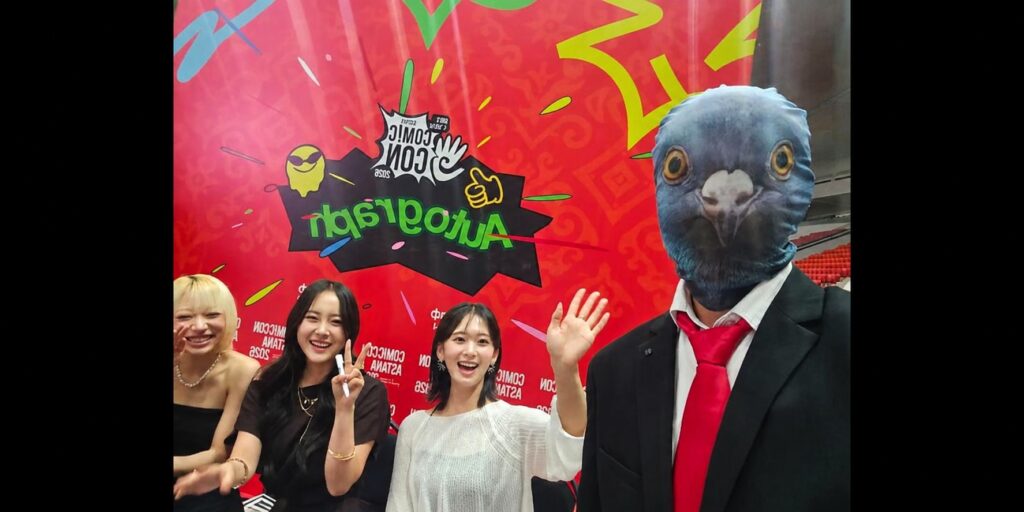
Comic Con Astana returned to Kazakhstan’s capital from August 6 to 9, with stars from Game of Thrones and Netflix’s One Piece among the headline guests. The event followed a record year in 2025, when the festival attracted more than 75,000 visitors, including over 10,000 from abroad. Held at Barys Arena and the Alau Ice Palace, the fifth edition of the festival drew fans of film, television, games, comics, and anime for autograph sessions, actor meetings, cosplay competitions, and gaming. [video width="360" height="640" mp4="https://timesca.com/wp-content/uploads/2026/08/7641361931360792851.mp4"][/video] Among the biggest names at this year’s festival was Danish actor Nikolaj Coster-Waldau, who played Jaime Lannister throughout all eight seasons of HBO’s Game of Thrones. The series has a history at Comic Con Astana. Pilou Asbæk, who played Euron Greyjoy, was the main international guest at the inaugural event in 2019, when demand for information briefly crashed the festival website. Other international guests in 2026 included Iñaki Godoy and Taz Skylar from Netflix’s One Piece. South Korean K-pop group Kandis also appeared after gaining recognition among Kazakh audiences through Silk Way Star. The group attracted further attention by performing Orda’s Kesh Meni in Korean and took the Comic Con stage on August 9. Cosplay was another major part of the program, with KZT 20 million, around $40,000, offered in prize money for the international competition. Guests included German duo Kamui Cosplay, known for their elaborate costumes and props. Comic-Con began in San Diego in 1970 as a gathering of around 300 comic book and science-fiction fans. It has since developed into a major international pop-culture convention, inspiring events around the world, including Astana’s edition. Comic Con arrived in Kazakhstan in 2019, but the COVID-19 pandemic interrupted its early development. After a four-year hiatus, the festival returned in 2023. Attendance passed 50,000 the following year, when Danish actor Mads Mikkelsen was the main international guest. The festival’s growth has also brought an economic return for the capital. Astana authorities estimated its impact in 2025 at around KZT 3.5 billion, approximately $6.5 million, including spending by visitors outside the event itself. Comic Con is one of a growing number of international events being held in Astana. In the first half of 2025, the city hosted more than 25 such events involving over 120,000 participants from 40 countries. During the same period, Astana received 735,700 tourists, including 177,100 from abroad, according to the city’s Department of Investment and Entrepreneurship Development. For international visitors, Comic Con also presents a side of Kazakhstan far removed from the country’s more familiar association with Silk Road history. Its focus is contemporary pop culture and the global fan communities surrounding it. Final attendance figures for Comic Con Astana 2026 had not been released at the time of publication.

The Influence of Korean Culture on Uzbekistan: Personal Stories and Impressions

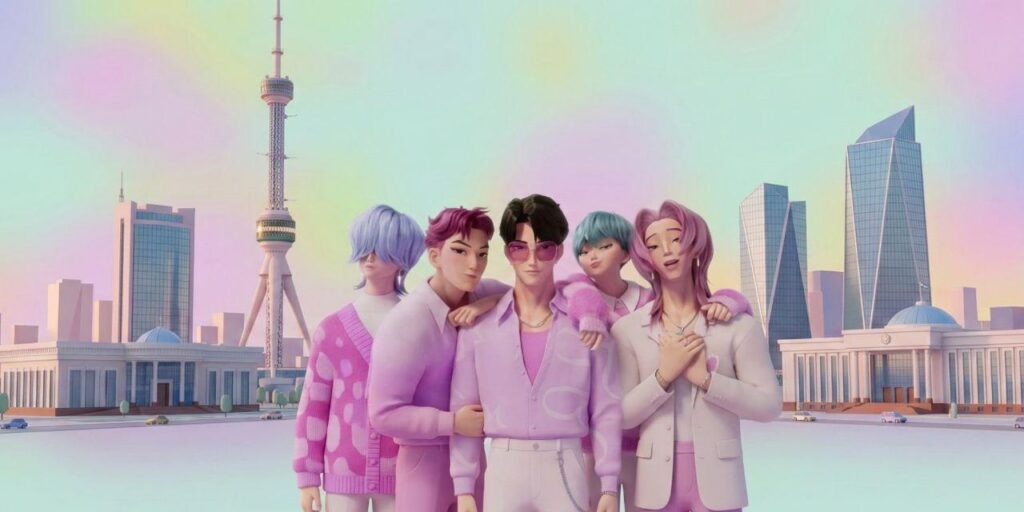
From fan meet-ups in shopping malls to Korean universities and supermarket shelves stocked with beauty brands, Korean culture in Uzbekistan has long ceased to be a niche interest. Yet behind bright music videos and conversations about Korean standards lies a more complex picture. For some, it represents a sense of community and part of personal identity; for others, it is a passing trend or even a source of disappointment. How exactly is the Korean wave structured in Uzbekistan, and why is its influence perceived so differently? The answer lies in personal stories and observations. How the Korean “Wave” Is Structured in Uzbekistan When discussing the influence of Korean culture in Uzbekistan, it is important to recognize that this is not a single, monolithic phenomenon. Rather, it consists of several parallel streams that have gradually entered everyday life. These include popular culture — K-pop, television dramas, fan meetings, and new urban leisure formats — as well as consumer practices such as cosmetics, fashion, and gastronomy. Institutional ties also play a role, including language centers, university programs, cultural associations, and humanitarian initiatives. In academic discourse, the concept of the Korean Wave, or Hallyu, refers to the global spread of South Korean cultural products and associated lifestyles beyond the country’s borders since the late 1990s. Mass media, internet platforms, and carefully designed state cultural policy have played key roles in this process. In Uzbekistan, Hallyu has taken on a particular resonance. Here, Korean culture is not merely a trend introduced through new media; it is also part of the country’s social fabric. Uzbekistan has a historically significant Korean community composed of descendants of Koreans resettled during the Soviet period. For many people, interest in contemporary South Korea is therefore linked not only to fashion or pop culture but also to questions of identity, memory, and intergenerational dialogue. Pop Culture and Urban Aesthetics The most visible and widely discussed channel of influence is youth pop culture. It is through this sphere that the Korean wave becomes most noticeable. Researchers in the region describe K-pop as one of the main drivers of Hallyu’s popularity in Central Asia, including Uzbekistan. Interest in music often leads to language learning, the formation of fan communities, and increased online engagement. For many, everything begins with a music video, bright, dynamic, and visually polished. Then come fan chats, dance cover groups, and attempts to analyze song lyrics. Music becomes a form of social glue, bringing teenagers together in Telegram channels, on university campuses, and in shopping malls where spontaneous flash mobs take place. Alongside this runs what might be called the drama channel. Korean television series in Uzbekistan are no longer a niche interest. Academic publications analyze their growing popularity and explore why this format has proven so resilient and widely appealing. The explanation is often found in a combination of emotional storytelling, family-centered plots, and visual aesthetics that resonate with local audiences. Pop-cultural influence does not remain confined to screens; it spills into the city itself. In 2023, Korea...