• KGS/USD = 0.01144 0%
  • KZT/USD = 0.00201 0%
  • TJS/USD = 0.10475 0%
  • UZS/USD = 0.00008 0%
  • TMT/USD = 0.28571 0%
  • KGS/USD = 0.01144 0%
  • KZT/USD = 0.00201 0%
  • TJS/USD = 0.10475 0%
  • UZS/USD = 0.00008 0%
  • TMT/USD = 0.28571 0%
  • KGS/USD = 0.01144 0%
  • KZT/USD = 0.00201 0%
  • TJS/USD = 0.10475 0%
  • UZS/USD = 0.00008 0%
  • TMT/USD = 0.28571 0%
  • KGS/USD = 0.01144 0%
  • KZT/USD = 0.00201 0%
  • TJS/USD = 0.10475 0%
  • UZS/USD = 0.00008 0%
  • TMT/USD = 0.28571 0%
  • KGS/USD = 0.01144 0%
  • KZT/USD = 0.00201 0%
  • TJS/USD = 0.10475 0%
  • UZS/USD = 0.00008 0%
  • TMT/USD = 0.28571 0%
  • KGS/USD = 0.01144 0%
  • KZT/USD = 0.00201 0%
  • TJS/USD = 0.10475 0%
  • UZS/USD = 0.00008 0%
  • TMT/USD = 0.28571 0%
  • KGS/USD = 0.01144 0%
  • KZT/USD = 0.00201 0%
  • TJS/USD = 0.10475 0%
  • UZS/USD = 0.00008 0%
  • TMT/USD = 0.28571 0%
  • KGS/USD = 0.01144 0%
  • KZT/USD = 0.00201 0%
  • TJS/USD = 0.10475 0%
  • UZS/USD = 0.00008 0%
  • TMT/USD = 0.28571 0%

Viewing results 1 - 6 of 5

Kazakhstan Considers Lowering Retirement Age for Shepherds and Herders

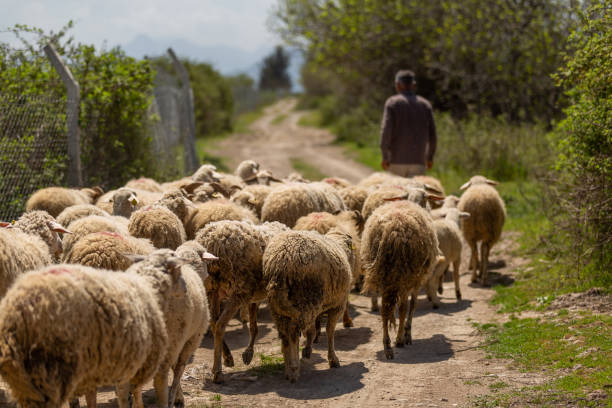
Kazakhstan is developing a package of social measures aimed at attracting and retaining personnel in the livestock industry, including a proposal to lower the retirement age for shepherds and herders. The initiative was discussed during a meeting of the Public Council under the Ministry of Agriculture, which reviewed the draft Comprehensive Plan for the Development of Agribusiness in the Livestock Sector for 2026-2030. The plan is designed to increase production, improve productivity, and enhance the sector’s export potential. A key focus of the draft is addressing staffing shortages in rural livestock farming, which the ministry has identified as a systemic challenge. According to the Ministry of Agriculture, the proposed support measures include reducing the retirement age for shepherds and herders, providing deferrals from military service, and prioritizing educational grants for their children. Specific retirement age parameters have not yet been disclosed. Currently, men in Kazakhstan retire at 63 and women at 61, with a gradual equalization planned from 2031. At present, certain groups, including mothers of large families, workers in hazardous occupations, military personnel, law enforcement officers, and victims of nuclear testing, are eligible for early retirement. Deputy Minister of Agriculture Amangali Berdalin also announced plans to launch long-term preferential loans at 6% per annum for the purchase of breeding stock for all types of farm animals. Additionally, 5% interest loans are planned to support working capital without sector-specific limitations. These funds can be used for purchasing feed, fuel and lubricants, veterinary drugs, and covering other ongoing production expenses. To reactivate underused pastures, a unified loan product at 6% is being developed to support transhumance livestock farming. All loan programs will be backed by state guarantees. The expansion of social and financial support for livestock farming comes amid rising export performance in the industry. As previously reported by The Times of Central Asia, Kazakh meat producers exported more products in the first ten months of 2025 than in all of 2024.

Kazakhstan Proposes Criminal Penalties for Illegal Meat Sales

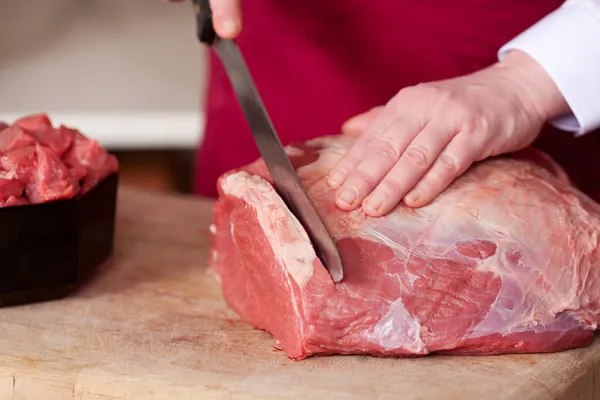
Kazakhstan’s Minister of Agriculture, Aidarbek Saparov, has proposed introducing criminal liability for the sale of meat that bypasses veterinary and sanitary inspections. Speaking at a government meeting, Saparov emphasized that Kazakhstan is undertaking large-scale efforts to digitize its livestock industry. Each farm animal now receives an individual identification number, with all veterinary procedures recorded in an electronic system. However, the minister warned that the system’s effectiveness depends on livestock owners maintaining accurate and transparent records. “We must strengthen oversight of livestock registration and tighten accountability, up to criminal liability, for unscrupulous livestock suppliers and buyers of animal products without proper veterinary documentation,” Saparov stated. Illegal Slaughterhouses a Threat to Public Health Saparov cited recent cases of underground slaughterhouses as a significant public health concern. In December 2024, two unlicensed facilities were discovered in Astana, distributing unregulated meat across the country. Similar operations were uncovered in Semey and Shymkent in spring 2025. Currently, criminal penalties in Kazakhstan apply only to cattle theft. Violations of veterinary and sanitary rules, unless they result in serious harm to human health, are punished administratively. Since the beginning of 2025, 64 veterinary checkpoints have inspected 28,500 vehicles transporting meat. Violations were identified in 547 cases, resulting in administrative fines for the owners. Livestock Industry Growth and Export Expansion Saparov also reported robust growth in livestock production. From January to May 2025, output increased by 4.2% compared to the same period in 2024. Meat production (in carcass weight) rose by 3%. Cow’s milk production grew by 7.5%. Almaty and Akmola regions led in meat output, while North Kazakhstan and Pavlodar regions led in milk production. The livestock population also expanded: Cattle: up 23.4 percent to 9.6 million head Small ruminants: up 7.8 percent to 26.3 million head Horses: up 12.2 percent to 5 million head Camels: up 8.5 percent to 321,300 head Poultry: up 2.2 percent to 47.7 million birds “Current production volumes fully meet domestic demand for beef and mutton and allow us to expand exports to up to 50,000 tons annually,” Saparov said. In 2024, Kazakhstan’s beef exports increased by 1.4 times to over 22,000 tons. Mutton exports grew 2.2 times, reaching 18,000 tons. As previously reported by The Times of Central Asia, Turkey expressed interest in importing Kazakh meat, reportedly offering prices nearly double those proposed by China.

Kyrgyzstan Combats Pastureland Degradation to Safeguard Livestock Farming

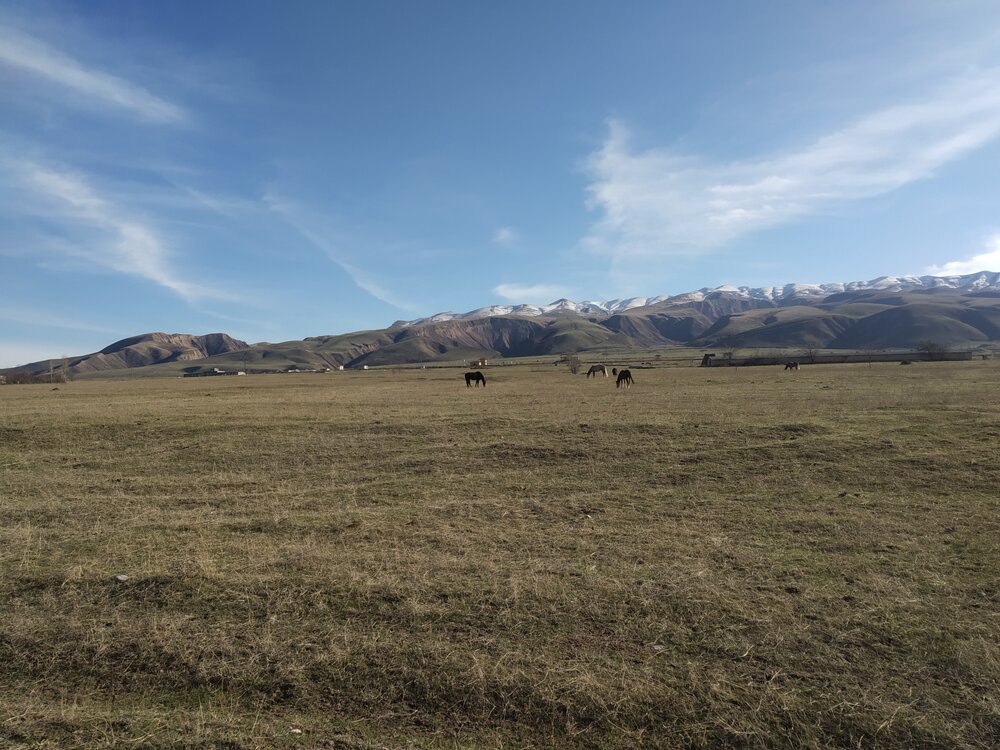
Pastureland is a strategic asset for Kyrgyzstan, where agriculture forms the backbone of rural livelihoods. A majority of the population depends on raising sheep, cattle, and horses for food and income. However, widespread degradation of pastureland, especially near settlements, now poses a growing threat to the country's livestock sector. Farmers and herders increasingly favor grazing their animals on easily accessible village pastures, leaving more remote areas underused. This uneven distribution has led to overgrazing and deterioration of pastures near populated areas. According to the Ministry of Water Resources, Agriculture and Processing Industry, more than 139,000 hectares of village pastures have been degraded and require restoration. Policy Response: Grazing Restrictions and Seasonal Rotation In response, the ministry has issued a directive mandating seasonal rotation of grazing lands. Under the new policy, farmers must move their livestock to distant pastures between April 15 and September 15 each year. This initiative aims to: Preserve natural ecosystems Promote responsible use of state-owned pastureland Enhance livestock productivity through improved pasture management Grass Reseeding Campaign Underway To rehabilitate affected areas, the government has launched a nationwide reseeding campaign. For the 2025 season, the Ministry of Agriculture has procured 94,462 kilograms of sainfoin seeds and 137,725 kilograms of other pasture grass seeds. These have been distributed across regions for use by local farmers and pasture users. The reseeding effort is expected to help restore 15,299 hectares of degraded pastureland. As of now, 2,810 hectares have already been sown with a mix of sainfoin and pasture grasses. This proactive approach underscores Kyrgyzstan's commitment to sustainable agriculture and long-term food security. Ensuring the health of its pastures is not just an environmental necessity, it’s an economic imperative for the thousands of families who depend on livestock farming for their livelihoods.