
• KGS/USD = 0.01144 0%
  • KZT/USD = 0.00205 0%
  • TJS/USD = 0.10782 0%
  • UZS/USD = 0.00008 0%
  • TMT/USD = 0.28571 0.28%
  • KGS/USD = 0.01144 0%
  • KZT/USD = 0.00205 0%
  • TJS/USD = 0.10782 0%
  • UZS/USD = 0.00008 0%
  • TMT/USD = 0.28571 0.28%
  • KGS/USD = 0.01144 0%
  • KZT/USD = 0.00205 0%
  • TJS/USD = 0.10782 0%
  • UZS/USD = 0.00008 0%
  • TMT/USD = 0.28571 0.28%
  • KGS/USD = 0.01144 0%
  • KZT/USD = 0.00205 0%
  • TJS/USD = 0.10782 0%
  • UZS/USD = 0.00008 0%
  • TMT/USD = 0.28571 0.28%
  • KGS/USD = 0.01144 0%
  • KZT/USD = 0.00205 0%
  • TJS/USD = 0.10782 0%
  • UZS/USD = 0.00008 0%
  • TMT/USD = 0.28571 0.28%
  • KGS/USD = 0.01144 0%
  • KZT/USD = 0.00205 0%
  • TJS/USD = 0.10782 0%
  • UZS/USD = 0.00008 0%
  • TMT/USD = 0.28571 0.28%
  • KGS/USD = 0.01144 0%
  • KZT/USD = 0.00205 0%
  • TJS/USD = 0.10782 0%
  • UZS/USD = 0.00008 0%
  • TMT/USD = 0.28571 0.28%
  • KGS/USD = 0.01144 0%
  • KZT/USD = 0.00205 0%
  • TJS/USD = 0.10782 0%
  • UZS/USD = 0.00008 0%
  • TMT/USD = 0.28571 0.28%

Viewing results 1 - 6 of 2

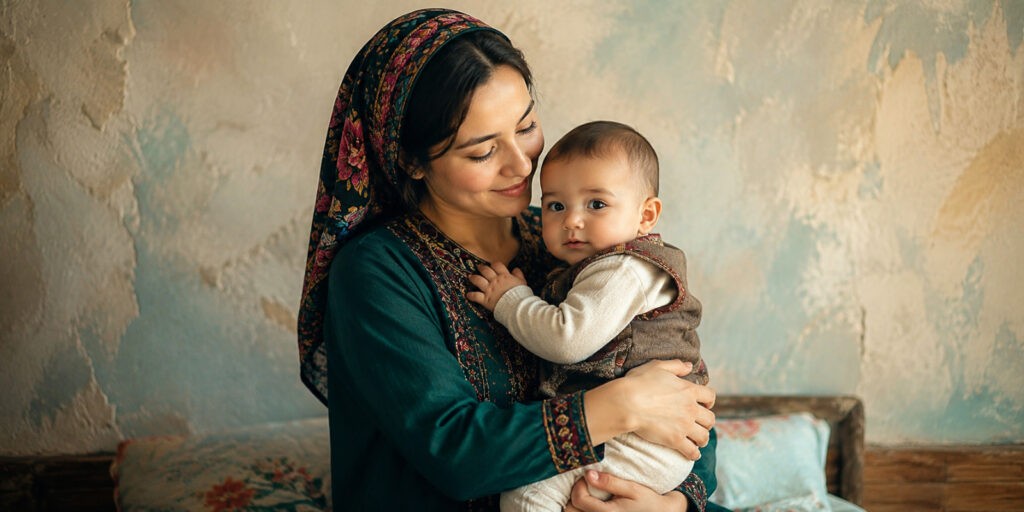
Turkmenistan Promotes Breastfeeding After Reported Decline

Turkmenistan and the United Nations are encouraging Turkmen mothers to exclusively breastfeed their children in the first six months of life, following a decline in exclusive breastfeeding rates in the Central Asian country in recent years. UNICEF said its survey data showed that 84.7% of infants in Turkmenistan are breastfed within the first hour after birth. However, the proportion of babies who are exclusively breastfed over the first six months dropped from 56.5% in 2019 to 35.5% in 2024, the agency said on Monday. UNICEF is coordinating with health officials in Turkmenistan, as well as national media and social media influencers, on a campaign to promote breastfeeding that will conclude in August. The initiative provides information and expands counseling services for breastfeeding, which provides vital nutrients and strengthens immunity against many diseases. The campaign also aims to make workplaces more amenable to mothers who breastfeed their children. UNICEF said 2025 research identified “key barriers to continued breastfeeding, including limited access to counseling after discharge from maternity facilities, misinformation from online and informal sources, workplace pressures, and insufficient family support.” In 2018, the U.N. children’s agency reported that the rate of breastfeeding in Turkmenistan had increased from 11% to 59%. It said that breastfeeding had become an accepted practice in the country, a departure from approaches decades earlier when a mother and her newborn were separated immediately following delivery to let the mother rest. Newborns were fed a special solution on their first day and were breastfed only after 24 hours. In 2009, Turkmenistan passed a law to protect the right of mothers to breastfeed their children. The legislation was updated in 2016. The BEARR Trust, a London-based charity that aims to help disadvantaged children and other vulnerable people in Eastern Europe and Central Asia, says the situation for many mothers with young children in Turkmenistan is challenging, partly because of limited state support for fathers. The trust noted a report last year on legislation in Turkmenistan that provides paid breastfeeding breaks every three hours until a child is one and a half years old. However, the duration of those breaks is not specified. Also, while employers must provide nursing facilities, no minimum workplace size is defined in the breastfeeding law.

UNFPA to Open Regional Demographic Resilience Hub in Almaty

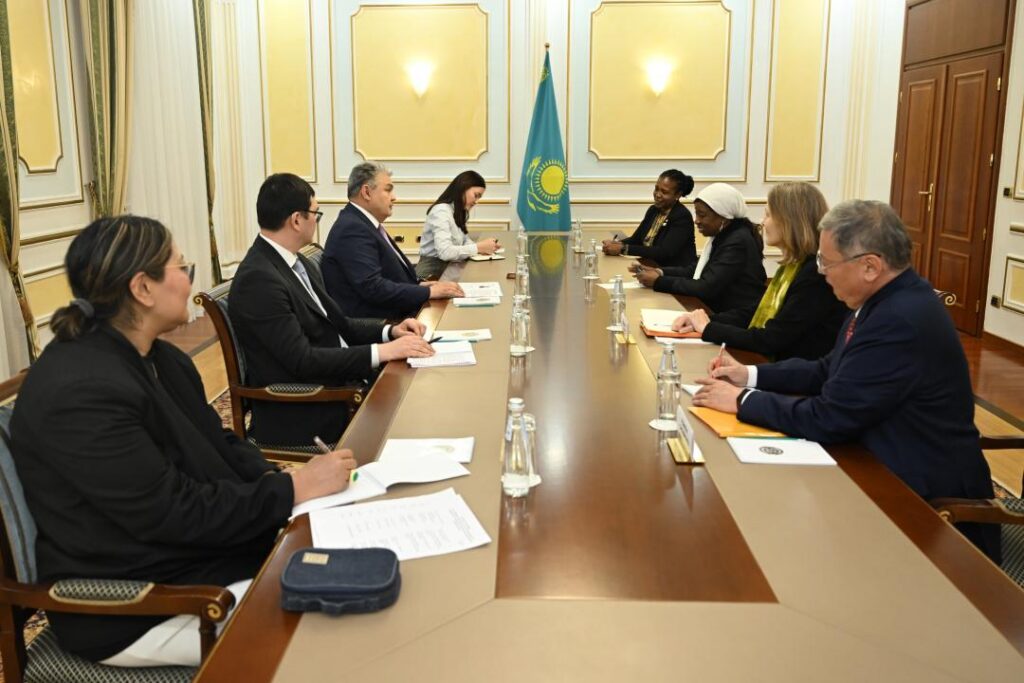
The United Nations Population Fund (UNFPA) will open a Central Asian hub on demographic resilience in Almaty, Kazakhstan’s Foreign Ministry said. The decision was confirmed during a meeting between Kazakhstan's Foreign Minister Yerzhan Kosherbayev and UN Under-Secretary-General and UNFPA Executive Director Diene Keita. The new hub will function as a regional center for collecting, analyzing, and studying demographic trends across Central Asia. UNFPA representatives said the decision to locate the hub in Almaty reflects the organization’s positive assessment of Kazakhstan’s reforms in gender equality, women’s rights protection, and social policy development. Keita said Kazakhstan has made significant progress in healthcare, youth and family policy, and reducing maternal and infant mortality rates. UNFPA is the UN agency specializing in reproductive health and demographic development. The organization supports countries in implementing programs related to healthcare, gender equality, and social resilience. Kosherbayev said President Kassym-Jomart Tokayev places particular importance on cooperation with the UN and supports initiatives aimed at reforming international institutions. “The minister positively assessed cooperation between the Kazakh government and UNFPA in improving maternal and infant mortality indicators, developing youth health centers, and conducting demographic research,” the Foreign Ministry said. According to Kosherbayev, healthcare, youth policy, and gender equality should become key areas of regional cooperation with UNFPA. He also proposed making greater use of the UN Regional Center for Sustainable Development Goals for Central Asia and Afghanistan in Almaty to expand the agency’s presence in the region. Following the talks, the two sides agreed to continue cooperation on regional and global agenda issues. During her visit, Keita also met with Prime Minister Olzhas Bektenov and reaffirmed UNFPA’s readiness to continue supporting Kazakhstan’s strategic initiatives. As previously reported by The Times of Central Asia, Kazakhstan has made significant progress in reducing maternal and infant mortality, while Astana has also been actively sharing its experience in maternal and child healthcare with other countries in the region.