ADB Approves $60 Million Loan for Livestock Farming in Uzbekistan
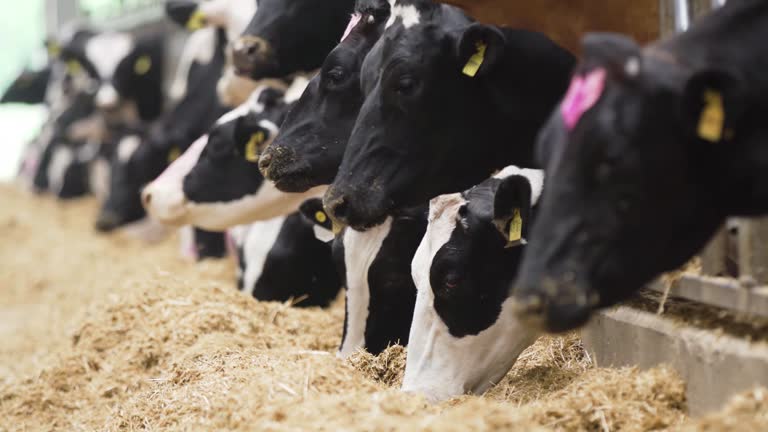
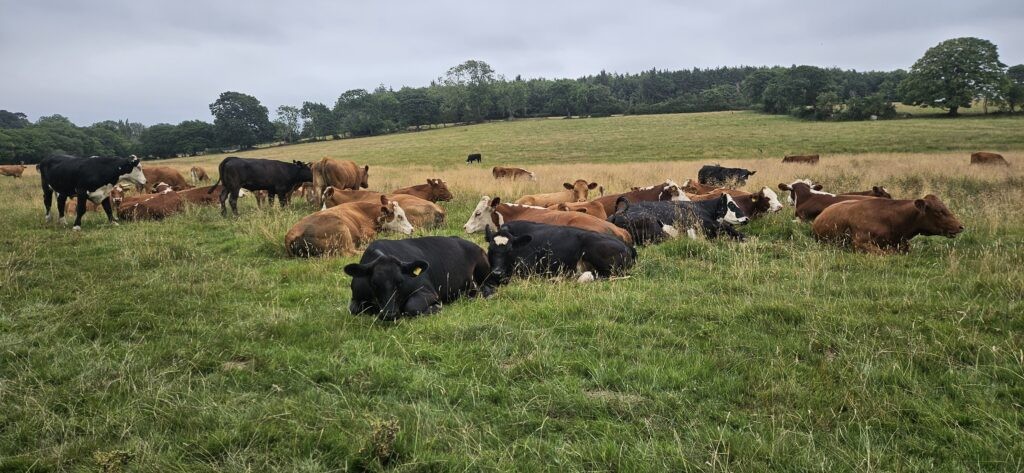
The Asian Development Bank has approved a $60 million concessional loan to help livestock farmers in Uzbekistan raise productivity and cope with drought and water shortages. The bank expects its Resilient Livestock Development Project to benefit about 29,000 smallholder farmers in the Bukhara, Kashkadarya, Navoi, and Samarkand regions and the Republic of Karakalpakstan. International financing totals $68 million, including a $5 million grant from the Green Climate Fund under the Glaciers to Farms Regional Program and a $3 million grant from the Japan Fund for Prosperous and Resilient Asia and the Pacific. Smallholders are particularly vulnerable to drought and extreme heat because they depend heavily on affordable feed and grazing land. The project will help farmers grow drought- and salt-tolerant fodder crops, restore livestock watering points, and improve pasture management. Women who raise livestock will receive training and support in fodder production. Veterinary services will also be expanded. The project will use AI to monitor pasture conditions, while a mobile app will give farmers advice and early warnings about weather-related risks. Uzbekistan produces about 1.6 million metric tons of meat a year, against domestic demand of 2.15 million, according to the president’s office. In August, President Shavkat Mirziyoyev reviewed proposals to expand meat and dairy production from 2026 to 2028. Officials estimate the measures could yield an additional 190,000 metric tons of meat and plan to allocate $463 million to livestock development. The government aims to revive 103 livestock enterprises that have ceased operations. Under the proposal, the enterprises could restructure their debts or repay them in installments over ten years. They would also receive breeding stock and land to grow fodder. Once operations resume, they could produce 12,000 metric tons of meat and 40,000 metric tons of milk annually. An assessment of 20 livestock complexes in Karakalpakstan identified outstanding debts totaling 109.6 billion Uzbek soums (about $9 million). Half were classified as high risk. Most lacked sufficient land for fodder and adequate infrastructure. The government also aims to make better use of 75,000 hectares of fodder land in 13 districts specializing in livestock farming. Another 802 proposed livestock projects are worth a combined 3 trillion soums (about $250 million). Planned imports include 150,000 sheep from Mongolia, 100,000 breeding cattle from China and European countries, and a further 2,000 cattle from Belarus. Uzbekistan spent $780.4 million on imported meat products in the first nine months of 2026, according to Customs Committee figures. That was 14.5% more than the $681.8 million spent in the same period of 2025.