• KGS/USD = 0.01144 0%
  • KZT/USD = 0.00212 0%
  • TJS/USD = 0.10549 -0.28%
  • UZS/USD = 0.00008 0%
  • TMT/USD = 0.28530 0%
  • KGS/USD = 0.01144 0%
  • KZT/USD = 0.00212 0%
  • TJS/USD = 0.10549 -0.28%
  • UZS/USD = 0.00008 0%
  • TMT/USD = 0.28530 0%
  • KGS/USD = 0.01144 0%
  • KZT/USD = 0.00212 0%
  • TJS/USD = 0.10549 -0.28%
  • UZS/USD = 0.00008 0%
  • TMT/USD = 0.28530 0%
  • KGS/USD = 0.01144 0%
  • KZT/USD = 0.00212 0%
  • TJS/USD = 0.10549 -0.28%
  • UZS/USD = 0.00008 0%
  • TMT/USD = 0.28530 0%
  • KGS/USD = 0.01144 0%
  • KZT/USD = 0.00212 0%
  • TJS/USD = 0.10549 -0.28%
  • UZS/USD = 0.00008 0%
  • TMT/USD = 0.28530 0%
  • KGS/USD = 0.01144 0%
  • KZT/USD = 0.00212 0%
  • TJS/USD = 0.10549 -0.28%
  • UZS/USD = 0.00008 0%
  • TMT/USD = 0.28530 0%
  • KGS/USD = 0.01144 0%
  • KZT/USD = 0.00212 0%
  • TJS/USD = 0.10549 -0.28%
  • UZS/USD = 0.00008 0%
  • TMT/USD = 0.28530 0%
  • KGS/USD = 0.01144 0%
  • KZT/USD = 0.00212 0%
  • TJS/USD = 0.10549 -0.28%
  • UZS/USD = 0.00008 0%
  • TMT/USD = 0.28530 0%

Viewing results 1 - 6 of 5

Kazakhstan Is Rethinking Its Healthcare System, Focusing on Prevention

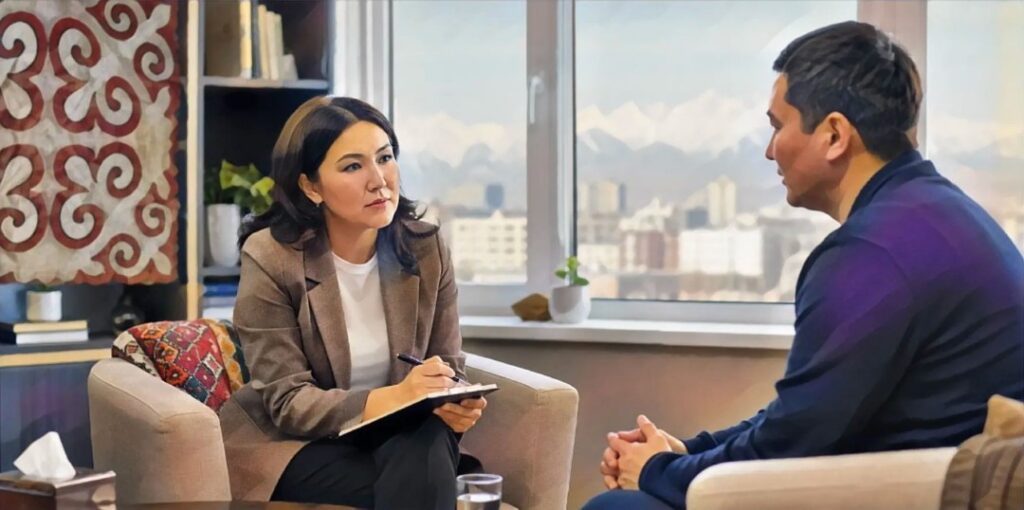
Kazakhstan’s Ministry of Health has outlined updated investment and development plans for 2023-2027, signaling a shift in the country’s healthcare approach from treating diseases to preventing them, strengthening biosafety, and expanding mental health support. However, some experts warn that the new strategy could have unintended economic consequences, including the reallocation of budget funds toward information campaigns, digital initiatives, and infrastructure projects whose effectiveness may be difficult to assess. One of the key areas of reform is the prevention of noncommunicable diseases. Authorities are considering restrictions on advertising products high in salt, sugar, and trans fats, amid rising childhood obesity rates. According to the Food and Agriculture Organization of the United Nations, 21% of children in Kazakhstan aged 6-9 are overweight. Such restrictions could affect the media market. Research by the Institute for Fiscal Studies indicates that bans on advertising unhealthy food can reduce media revenues. In Kazakhstan, this could increase pressure on an industry already subject to limits on advertising alcohol, tobacco, and certain medications. At the same time, the ministry plans to expand public awareness campaigns, including video content and national initiatives such as “Salamatty shanyraq” (“Healthy Family”). Public health research suggests that the effectiveness of such campaigns can be difficult to measure, and their impact on behavior may be limited. Another priority is the creation of a “biological shield” system, including genomic and metagenomic surveillance, as well as the development of domestic pharmaceutical manufacturing. These initiatives are expected to attract up to $380 million in private investment. However, concerns remain about implementation capacity. Previous reports have highlighted inefficient use of medical equipment. In 2024, Health Minister Akmaral Alnazarova stated that expensive equipment in some medical facilities remained unused. In certain regions, shortages of trained specialists and necessary consumables have prevented effective deployment. The third component of the strategy focuses on mental health. Authorities plan to expand the network of specialized centers and introduce the uSupport digital platform to provide online consultations. At the same time, public trust in the state system remains limited. According to official data, individuals with addictions often avoid seeking treatment due to fears of being registered, which could restrict access to employment, education, and driver’s licenses. Experts also highlight the scale of gambling addiction. Estimates suggest that around 350,000 people in Kazakhstan suffer from compulsive gambling, while the growing availability of online casinos and microfinance services continues to contribute to rising household debt. The shift toward a preventive healthcare model aligns with global trends. However, analysts warn that without effective implementation, the reform could result in increased administrative pressure on businesses, inefficient public spending, and limited improvements in health outcomes.

Attitudes Toward Children with Special Needs in Kazakhstan Are Beginning to Shift

An appalling call by an Almaty-based blogger to "kill autistic people" has reignited public debate over attitudes toward children with special needs in Kazakhstan, revealing deep-rooted prejudices that persist in society despite ongoing reforms. Shocking Comments and a Criminal Case “There are too many autistic people, they need to be treated, and if they cannot be cured, they should be killed or autism hospitals should be opened. Children with autism have no feelings!” wrote Almaty blogger Raihan Zhumamuratova in a now-deleted post on social media. Her remarks sparked outrage online and drew swift condemnation from authorities. Zhumamuratova's post followed a disturbing incident on August 23, when a mother posted on Instagram that her two-year-old son was attacked in a courtyard by a teenager who picked him up, threw him in the air, and then fled while covering his ears. The act was captured on video. Initial reports suggested the 13-year-old boy may have a mental health condition, possibly an autism spectrum disorder, though no official diagnosis has been confirmed. The Auezov District Police Department opened a criminal case, and the teenager’s parents were held accountable for failing to properly fulfill their parental duties. Zhumamuratova's comments were widely condemned. The Autism Kazakhstan association filed a formal complaint, prompting Almaty police to launch an investigation. Minister of Labor and Social Protection Svetlana Zhakupova stated, “I think law enforcement agencies will take the right decisions regarding this blogger. The harshest ones.” “You know, we are building an inclusive society together. We do not tolerate discrimination against people with disabilities,” Zhakupova added. “Children with autism are currently under the special supervision of several government agencies, the Ministry of Education, our Ministry of Labor, and the Ministry of Health. We fully support these children.” A Pattern of Neglect and Violence While Zhumamuratova’s statements have drawn near-universal condemnation, this is not the first time a child has been seriously harmed by a teenager with a psychiatric condition. In February 2025, a teenager attacked a five-year-old with a knife inside an elevator in a residential building in Astana. The assault was also recorded and widely circulated online. The attacker, who is registered at a psychoneurological clinic, was later placed in a psychiatric hospital. His legal guardian was held accountable, according to Children’s Rights Commissioner Dinara Zakieva. Parents of children with special needs frequently report being left to cope alone. Rehabilitation services are limited, oversight is weak, and resources are stretched thin. A Long Road to Inclusion Kazakhstan faces systemic challenges in building an inclusive society. For decades, people with psychiatric or developmental diagnoses were kept out of public view. Traditional nomadic culture stigmatized them, and under the Soviet regime, psychiatric diagnoses often carried punitive implications that brought shame upon families. Many citizens today remain uninformed about developmental disorders like autism. As a result, people with such conditions are often met with fear or hostility. Compounding the issue, disability benefits remain low, making private care and quality rehabilitation inaccessible for most families. As of March 1, 2025, Kazakhstan...

Central Asian Nations Rank Low in Global Mental Health Index

Mental health remains a significant challenge across Central Asia, with populations reporting high levels of distress and rising rates of self-harm. According to the Mental State of the World survey, Uzbekistan ranked 74th out of 82 countries on the Mental Health and Wellbeing Index, scoring 54.5 points. Kazakhstan followed at 76th (52.3), Kyrgyzstan at 79th (51.2), and Tajikistan at 80th (51.2). The global average stands at 63 points, suggesting that, on average, people around the world feel mentally stable and active for about 21 days each month. Experts point to a range of factors driving poor mental health in the region, including anxiety, depression, fatigue, loneliness, and unresolved personal issues. A joint survey by the UN Population Fund (UNFPA) and YouGov, which included more than 14,000 respondents across 14 countries, found that 32 percent had experienced unplanned pregnancies and 23 percent were unable to start families when they wished. Financial hardship was the most frequently cited barrier to wellbeing (39 percent), followed by job insecurity (21 percent), inadequate housing (19 percent), and fear of war or pandemics (19 percent). A study published in BMC Public Health reported age-standardized suicide rates per 100,000 people in 2019 as follows: Kazakhstan at 18.05; Uzbekistan and Kyrgyzstan both at 8.28; Turkmenistan at 6.07; and Tajikistan at 5.32. By comparison, the global suicide rate that year was approximately 9 per 100,000. Despite its relative economic strength, Kazakhstan ranked 17th globally for suicide rate in 2020, with 18 deaths per 100,000 people, according to World Health Organization (WHO) data. UNICEF has also recorded a disturbing trend among the country’s youth: between January and August 2024, over 2,300 self-harm incidents were reported, including 128 involving children aged 5 to 18. Among adolescents aged 15 to 19, self-harm has become the leading cause of death. Uzbekistan, which received the highest score in the region, is expanding access to counseling services and training school psychologists. Meanwhile, Kyrgyzstan and Tajikistan are piloting community-based mental health centers. However, specialists warn that without broader social reforms, such as stable employment, affordable housing, and gender equality, both reproductive and mental health will continue to fall short of international standards. “True progress means giving people freedom to choose and live without fear,” the UNFPA report concludes. For Central Asia, this requires greater investment in rights, services, and long-term wellbeing.