
• KGS/USD = 0.01143 0%
  • KZT/USD = 0.00205 0%
  • TJS/USD = 0.10433 0.1%
  • UZS/USD = 0.00008 0%
  • TMT/USD = 0.28577 0%
  • KGS/USD = 0.01143 0%
  • KZT/USD = 0.00205 0%
  • TJS/USD = 0.10433 0.1%
  • UZS/USD = 0.00008 0%
  • TMT/USD = 0.28577 0%
  • KGS/USD = 0.01143 0%
  • KZT/USD = 0.00205 0%
  • TJS/USD = 0.10433 0.1%
  • UZS/USD = 0.00008 0%
  • TMT/USD = 0.28577 0%
  • KGS/USD = 0.01143 0%
  • KZT/USD = 0.00205 0%
  • TJS/USD = 0.10433 0.1%
  • UZS/USD = 0.00008 0%
  • TMT/USD = 0.28577 0%
  • KGS/USD = 0.01143 0%
  • KZT/USD = 0.00205 0%
  • TJS/USD = 0.10433 0.1%
  • UZS/USD = 0.00008 0%
  • TMT/USD = 0.28577 0%
  • KGS/USD = 0.01143 0%
  • KZT/USD = 0.00205 0%
  • TJS/USD = 0.10433 0.1%
  • UZS/USD = 0.00008 0%
  • TMT/USD = 0.28577 0%
  • KGS/USD = 0.01143 0%
  • KZT/USD = 0.00205 0%
  • TJS/USD = 0.10433 0.1%
  • UZS/USD = 0.00008 0%
  • TMT/USD = 0.28577 0%
  • KGS/USD = 0.01143 0%
  • KZT/USD = 0.00205 0%
  • TJS/USD = 0.10433 0.1%
  • UZS/USD = 0.00008 0%
  • TMT/USD = 0.28577 0%

Viewing results 1 - 6 of 4

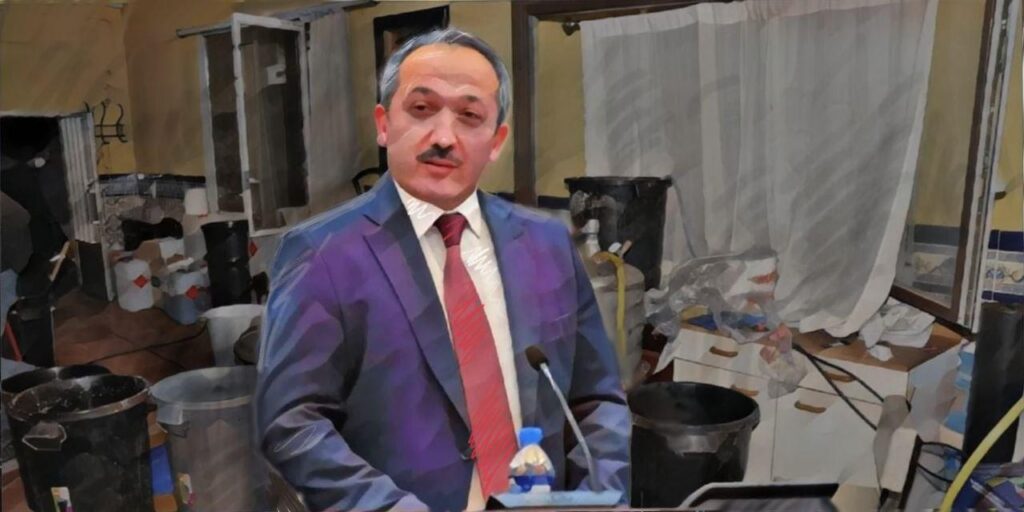
Uzbekistan Fires Counter-Narcotics Chief as Drug Trade Surges

In late January, Uzbek President Shavkat Mirziyoyev sacked a series of high-ranking officials in the Interior Ministry, National Guard, and the Emergency Situations Ministry. Their dismissals for corruption overshadowed the firing of the director of the Agency for Control of Narcotics and Illegal Firearms, who was let go for failing badly to combat illegal trafficking and use of drugs. Poor Results Ravshan Mamatov was appointed director of the National Center for Narcotics Control in August 2024. In July 2025, a presidential decree transformed the center into the Agency for Control of Narcotics and Illegal Firearms. On January 27, President Mirziyoyev criticized the work of the Narcotics Control Agency and warned Mamatov to engage in more than simply “analytical work and international cooperation.” Mirziyoyev dismissed Mamatov the next day, and it was not a surprise. Exactly two weeks earlier, Bahodir Kurbanov, the head of Uzbekistan’s State Security Service (SGB), spoke at a session of the country’s Security Council, chaired by President Mirziyoyev. Kurbanov detailed security measures along Uzbekistan’s borders, including the use of military surveillance drones. The security chief also spoke about illegal narcotics, noting the amount of drugs seized in 2024 was some 1,700 kilograms and that figure more than doubled to 3,600 kilograms in 2025. Kurbanov noted the 2025 figure included more than 180 kilograms of synthetic drugs and more than one million doses of psychotropic drugs. Additionally, the number of people arrested for illegal narcotics went from some 2,600 in 2024 to some 4,500 in 2025. In his January 27 comments, President Mirziyoyev said that during the last three months, the authorities in the capital Tashkent, had detained members from approximately 50 major narcotics trafficking groups and seized some 500 kilograms of illegal drugs. “Last year, more than 1,500 drug users were officially registered in the capital,” Mirziyoyev said, noting, “The saddest part is that the number of drug addicts living in the shadows is even higher.” The Uzbek president added that most were young people and that “in their quest to raise money, drug addicts naturally resort to crime.” Mirziyoyev also criticized the penal system, remarking that a significant number of people convicted for illegal narcotics were released from jail before serving even half their sentences. Mirziyoyev said that this has led to a 25% increase in the number of repeat offenders. Mamatov addressed Uzbekistan’s parliament on December 17, admitting the amount of synthetic drugs being seized had increased phenomenally during the last five years and that the number of crimes involving illegal narcotics had doubled during that time. Mamatov claimed that in a number of cases, “drug trafficking was being facilitated by officials,” though he did not name any specific officials. A Regional Problem The other Central Asian countries are facing the same problems as Uzbekistan. The amounts of drugs seized and people arrested have been growing in the last few years and continue to increase. Part of the problem is that the region’s counter-narcotics agencies are facing a new situation in combating the illegal drug...


President Tokayev Dismisses Ministers of Defense and Transport

Kazakhstan’s political landscape has undergone a significant shift as President Kassym-Jomart Tokayev announced the dismissal of two key cabinet members, Ruslan Zhaksylykov, Minister of Defense, and Marat Karabayev, Minister of Transport. The decision marks a reshuffling within the country’s leadership as the administration seeks to address critical challenges in defense and infrastructure. Defense Minister Zhaksylykov Removed, Kosanov Appointed Ruslan Zhaksylykov’s removal as Minister of Defense comes during a time of heightened scrutiny over Kazakhstan’s military readiness and regional security. While the government has not disclosed specific reasons for the dismissal, defense analysts suggest it is tied to concerns about military efficiency, resource management, and preparedness in a challenging geopolitical environment. Criticism has mounted regarding the state of the country’s defense capabilities, with insiders pointing to inefficiencies in handling resources and gaps in modernization efforts. Zhaksylykov's departure aligns with President Tokayev’s broader drive to reform and modernize the armed forces, aiming for greater accountability and effectiveness. During Zhaksylykov’s time in office, the ministry faced frequent criticism over tragic incidents within the army, including fatal injuries and servicemen suicides, which sparked widespread public outrage. The administration has moved swiftly in appointing Dauren Kosanov as Zhaksylykov’s successor, with the President instructing him to enhance the army’s combat readiness, expand special operations forces, and modernize military infrastructure. A seasoned military leader, Kosanov has previously held key positions including commander of the Air Force and director of the Military Institute of Air Defense Forces. Transport Minister Marat Karabayev Dismissed After Short Tenure Simultaneously, Marat Karabayev has been relieved of his duties as Minister of Transport, a position he had held since September 2023 when the ministry was established. His term was marked by escalating challenges in the transport and logistics sector, culminating in mounting criticism from the President himself. Earlier this year, President Tokayev issued Karabayev an official reprimand for his unsatisfactory performance. The dismissal comes following a Security Council meeting chaired by the President during which Karabayev and other officials faced criticism for the state of the transport sector. Tokayev highlighted systemic issues, including delays in transit projects, bottlenecks at border crossings, and inadequate infrastructure at checkpoints. The President also condemned the lack of progress in fulfilling key plans designed to boost the country’s capabilities as a transit hub. Karabayev’s dismissal underscores the urgent need for reforms in the transport sector. President Tokayev stressed the importance of modernizing infrastructure to position Kazakhstan as a competitive player in international trade. He pointed to strategic initiatives such as establishing "green corridors" for streamlined border trade, improving transit volumes, and ensuring reliable aviation fuel supplies. Implications and Broader Context The twin dismissals demonstrate President Tokayev’s resolve to address inefficiencies and push forward with ambitious reforms. Both defense and transport are critical sectors for Kazakhstan’s future, given the country’s strategic geographical position. The defense ministry is facing growing pressure to modernize in response to regional security tensions, while the transport sector is vital for integrating Kazakhstan into global supply chains.