• KGS/USD = 0.01144 0%
  • KZT/USD = 0.00205 0%
  • TJS/USD = 0.10722 0%
  • UZS/USD = 0.00008 0%
  • TMT/USD = 0.28490 0%
  • KGS/USD = 0.01144 0%
  • KZT/USD = 0.00205 0%
  • TJS/USD = 0.10722 0%
  • UZS/USD = 0.00008 0%
  • TMT/USD = 0.28490 0%
  • KGS/USD = 0.01144 0%
  • KZT/USD = 0.00205 0%
  • TJS/USD = 0.10722 0%
  • UZS/USD = 0.00008 0%
  • TMT/USD = 0.28490 0%
  • KGS/USD = 0.01144 0%
  • KZT/USD = 0.00205 0%
  • TJS/USD = 0.10722 0%
  • UZS/USD = 0.00008 0%
  • TMT/USD = 0.28490 0%
  • KGS/USD = 0.01144 0%
  • KZT/USD = 0.00205 0%
  • TJS/USD = 0.10722 0%
  • UZS/USD = 0.00008 0%
  • TMT/USD = 0.28490 0%
  • KGS/USD = 0.01144 0%
  • KZT/USD = 0.00205 0%
  • TJS/USD = 0.10722 0%
  • UZS/USD = 0.00008 0%
  • TMT/USD = 0.28490 0%
  • KGS/USD = 0.01144 0%
  • KZT/USD = 0.00205 0%
  • TJS/USD = 0.10722 0%
  • UZS/USD = 0.00008 0%
  • TMT/USD = 0.28490 0%
  • KGS/USD = 0.01144 0%
  • KZT/USD = 0.00205 0%
  • TJS/USD = 0.10722 0%
  • UZS/USD = 0.00008 0%
  • TMT/USD = 0.28490 0%

Viewing results 1 - 6 of 6

Kazakhstan Begins Vegetable Oil Exports to Iran via Caspian Route

Vegetable oil producers in Kazakhstan have launched a new export route to Iran across the Caspian Sea, completing several trial shipments of rapeseed and sunflower oil in spring 2026, Kazakhstan’s Ministry of Agriculture said. According to Kazakhstan’s National Association of Oilseed Processors (NAOPK), the first shipment, consisting of 5,000 tons of rapeseed oil, departed from the Port of Aktau on April 4. The buyer was the Iranian company Kourosh Food Industry, while the supplier was one of Kazakhstan’s largest oil-processing plants affiliated with the association. On May 13, loading was completed for a second vessel carrying 5,000 tons of sunflower oil. The Agriculture Ministry said the shipments demonstrate strong interest among Iranian importers in products from Kazakhstan and point to the potential of the Caspian export corridor. NAOPK Chairman Yadykar Ibragimov said the Iranian market holds significant potential for exports of Kazakhstan’s oil and fat products. According to Ibragimov, Iran imports around 3.5 million tons of vegetable oils and oilseed meal annually, including approximately 1.5 million tons of vegetable oils. “Our countries share a border across the Caspian Sea and also benefit from a preferential customs regime under the free trade agreement between the Eurasian Economic Union and Iran,” Ibragimov said. He noted that Kazakhstan exported more than 100,000 tons of oil and fat products to Iran over the past three years, with around 94% consisting of oilseed meal. “The launch of vegetable oil transshipment through the Port of Aktau will significantly increase supply volumes,” he added. According to association estimates, the Aktau route could handle three to four shipments per month, allowing annual exports of 150,000-200,000 tons of vegetable oil through the new corridor. In the longer term, exports of vegetable oils and oilseed meal to Iran could exceed 500,000 tons annually. Kazakhstan’s Agriculture Ministry said development of the route will help diversify export destinations and reduce pressure on existing logistics corridors. “The launch of this new supply channel will help move closer to the goal of increasing the sector’s foreign currency revenues to $1 billion, as outlined in the 2026-2028 Road Map,” the ministry said. Kazakhstan previously reported record sunflower oil exports: between January and October 2025, the country exported more than 523,000 tons of sunflower oil worth approximately $532 million. Authorities aim to position Kazakhstan among the world’s top three vegetable oil exporters. At the same time, Deputy Foreign Minister Arman Issetov said in April that several joint projects between Kazakhstan and Iran had been frozen amid military tensions in the region. Despite geopolitical tensions, Astana and Tehran continue expanding trade and economic cooperation. The Times of Central Asia previously reported that Kazakhstan and Iran aim to increase bilateral trade turnover to $1 billion in the coming years, with plans to eventually double that figure.

Tokayev’s U.S. Visit Advances Kazakhstan’s Economic Agenda

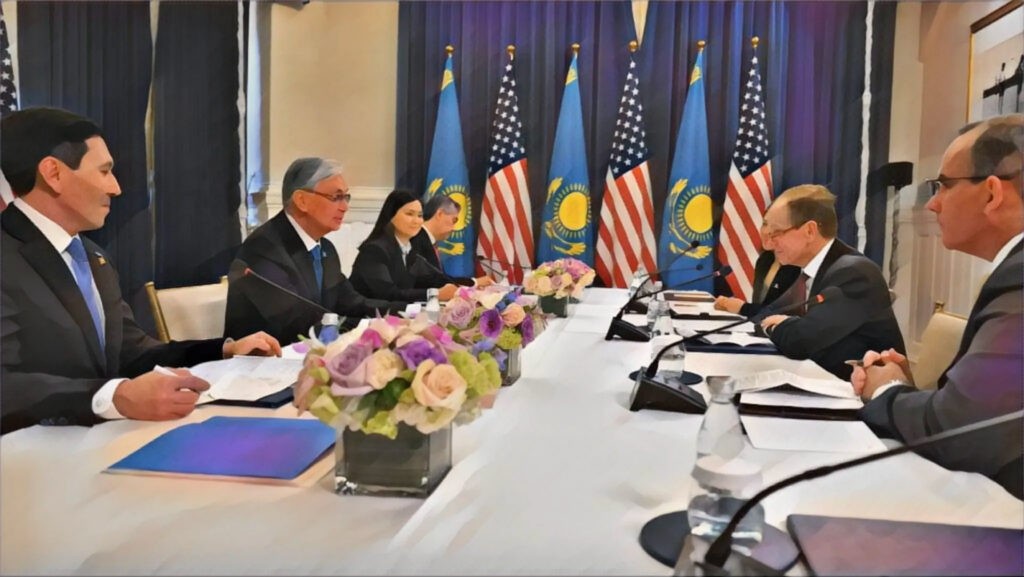
The visit of Kazakh President Kassym-Jomart Tokayev to the United States provided an opportunity for targeted negotiations with major international corporations and financial institutions, centered on long-term investment, production localization, and Kazakhstan’s integration into global value chains. One of the key outcomes was the signing of an investment agreement worth approximately $180 million between Kazakhstan’s Ministry of Agriculture and Mars, Incorporated. The company plans to build a pet food production plant in the city of Alatau. The project will focus on the deep processing of agricultural raw materials and the production of high-value-added goods. Mars CEO Poul Weihrauch noted that the Kazakhstan facility will serve as a base for expanding the company’s presence in Central Asia and neighboring regions. A separate round of negotiations focused on healthcare. During talks with Ashmore Group, discussions centered on a proposal to build an international clinic in partnership with Ashmore Healthcare International and Samruk-Kazyna Invest, with the involvement of the Mount Sinai Health System as the operator. The initiative aligns with Kazakhstan’s strategy to develop medical infrastructure and medical tourism, as well as the Open Investment Partnership program targeting high-tech sectors of the economy. Aviation was another major component of the visit. At a meeting with Boeing executives, Tokayev confirmed the interest of Kazakh carriers Air Astana, SCAT Airlines, and VietJet Qazaqstan in expanding cooperation. Air Astana expects to receive Boeing 787 Dreamliner aircraft in the second half of 2026, which could pave the way for the launch of direct flights between Kazakhstan and the U.S. SCAT, meanwhile, is considering both the acquisition of additional aircraft and the establishment of its first maintenance and repair center at Shymkent Airport in partnership with an American company. The visit concluded with negotiations involving the U.S. International Development Finance Corporation (DFC). Its CEO, Ben Black, said Washington views Kazakhstan as a key partner in Eurasia. The discussions focused on projects in the mining sector and the development of transport and transit infrastructure critical for regional and interregional trade. According to the World Investment Report 2025 (UNCTAD), Kazakhstan overwhelmingly dominates foreign direct investment (FDI) in Central Asia. In 2024, Kazakhstan’s inward FDI stock stood at about $151 billion, far exceeding Turkmenistan (about $45 billion), Uzbekistan (about $17 billion), and Kyrgyzstan and Tajikistan (around $4 billion each). The negotiations in Washington point to Kazakhstan’s focus on building long-term institutional partnerships rather than pursuing isolated investment deals, a signal intended to reassure international investors about the stability and openness of the market. As previously reported by The Times of Central Asia, Tokayev also took part in the inaugural meeting of the Board of Peace in Washington, where Kazakhstan signaled its willingness to contribute to Gaza’s reconstruction and broader stabilization efforts, including potential financial support and participation in peacekeeping initiatives.