Viewing results 1 - 6 of 29
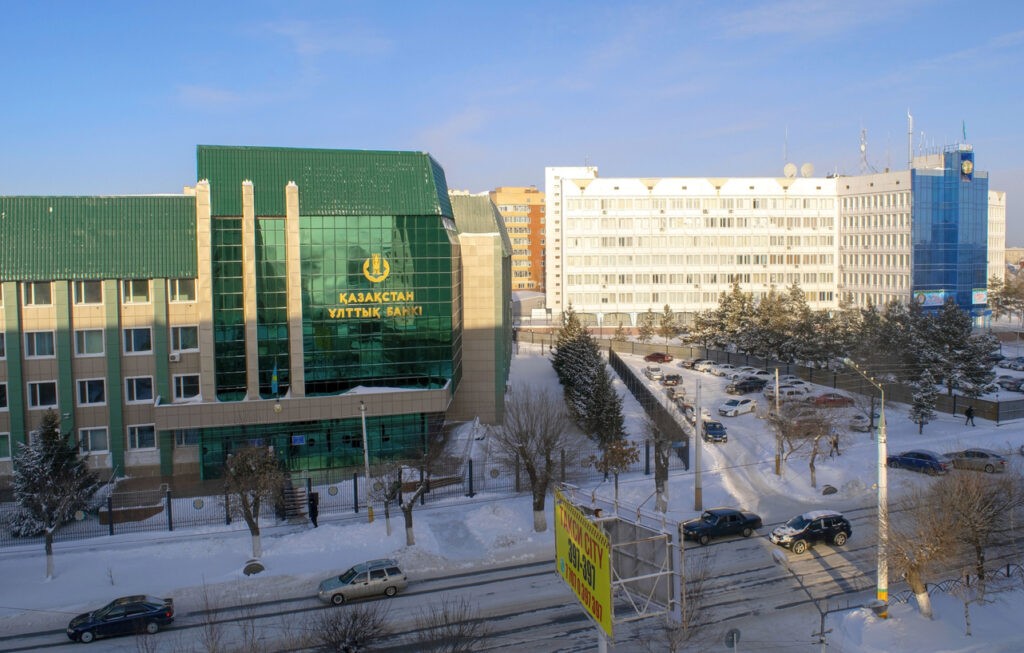
The Monetary Policy Committee of Kazakhstan’s National Bank has raised the prime rate to 15.25% per annum, with an allowable deviation of 1 percentage point. This adjustment comes in response to the sharp weakening of the national currency, the tenge. The decision is grounded in updated forecasts and assessments of inflationary risks. The National Bank cited easing monetary conditions—driven by the tenge's depreciation, declining real interest rates, and heightened inflation expectations—as key factors behind the rate increase. Financial market volatility has further underscored the need for this measure. The National Bank emphasized its commitment to closely monitoring market dynamics and taking additional measures if needed to stabilize inflation. The central goal remains returning inflation, which has risen to 8.5%, to a target of 5%. The next decision on the prime rate is scheduled for January 17, 2025. Role of the Prime Rate The prime rate is a critical economic tool, directly influencing credit costs for banks and shaping inflation trends. Determined through an analysis of economic conditions, it regulates the money market. While a lower prime rate may temporarily weaken the tenge, it can boost production and economic growth in the medium term. Recent Adjustments The latest hike follows a series of previous adjustments. In February 2024, the prime rate was reduced to 14.75%, followed by another decrease to 14.25% in July. The rate was maintained at this level in October before this recent increase. Looking ahead, the National Bank has also published a schedule of rate decisions for 2025, underscoring its transparent approach to monetary policy.
The National Bank of the Kyrgyz Republic has announced its decision to keep the discount rate steady at 9%, according to a statement published on its official website. The Bank credited its effective monetary policy for maintaining stable inflation. As of November 2024, annual inflation dropped from 7.3% at the start of the year to 5.2%, aligning with the regulator’s targets. Inflationary pressures remained moderate, with slowed price growth in both food and non-food categories. Key drivers of price levels include strong domestic demand and the impact of tariff policy measures. Kyrgyzstan’s economy continues to demonstrate robust growth, primarily driven by expansion in the construction and services sectors. Real GDP grew by 9.6% during the first ten months of 2024, fueled by increased domestic consumption supported by rising household incomes. Higher real wages and a surge in individual remittances have contributed significantly to this growth. Fixed asset investments, largely financed by domestic sources, have also risen. The domestic foreign exchange market has shown resilience, with fluctuations in the national currency attributed to seasonal factors and balanced supply-demand dynamics. The National Bank has conducted $20.75 million in net foreign currency sales since the beginning of the year to prevent sharp exchange rate volatility. The Bank has progressively adjusted its discount rate over the past two years. In November 2022, it was reduced from 14% to 13%, followed by further reductions in 2024: from 13% to 11% in April and then to the current 9% in May. The next review of the discount rate is scheduled for January 27, 2025.
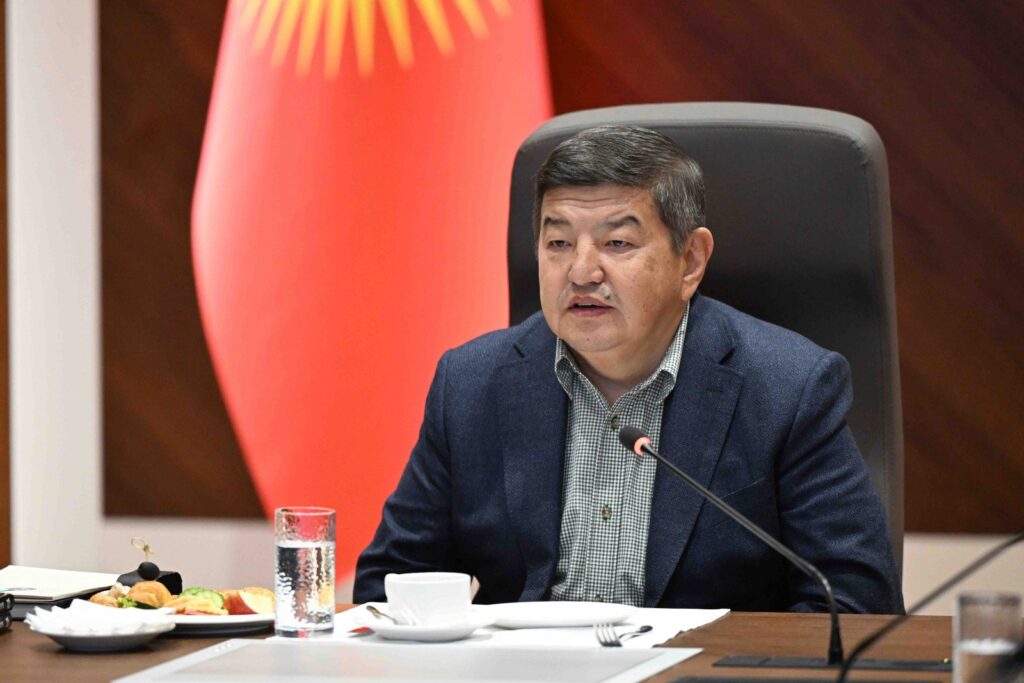
The Kyrgyz Finance Ministry plans to set aside 20 billion KGS ($230m) to issue digital bonds and treasury bills. Kyrgyz Cabinet Chief Akylbek Japarov has said at a meeting with journalists that according to him, the central bank's monopoly on issuing money is ending. Japarov discussed the role of the U.S. dollar in the country's economy and emphasized that it has become a tool of political pressure. “We send payments, but they are delayed without explanation. Sometimes, the delays last up to three months. This hurts trade. If there is no money, there is no trade. I think a new toolkit will soon appear,” he stated. He said the BRICS organization is already working on alternative payment systems to support trade. Cryptocurrency, and any currency backed by the gold reserves of the countries that use it, can replace the dollar in international trade. “Now everyone who has a gadget can emit cryptocurrency into various cryptocurrencies. In Kyrgyzstan, we will work on this issue and have a crypto exchange,” Japarov noted. He noted that digital bonds and promissory notes issued by the Kyrgyz Finance Ministry will be backed by gold. Corresponding amendments to the legislation are already being submitted to Parliament for consideration. Earlier, the National Bank of Kyrgyzstan also announced the launch of a pilot project for the national digital currency, “digital som,” and the creation of a legal framework for it. The Ministry of Economy and Commerce of Kyrgyzstan also announced the creation of crypto banks that will work with virtual assets. “Given the rapid development of digital technologies and cryptocurrencies, creating a crypto bank represents an urgent need to integrate crypto assets into the country's traditional financial system. Cryptobank will ensure safe, regulated, and convenient interaction of citizens and businesses with cryptocurrencies”, noted the Ministry of Economy.
The National Bank of the Kyrgyz Republic (NBRK) has adopted a resolution requiring commercial banks to prohibit commissions on money transfers in the national currency, the som (KGS), within the country. The NBKR said such measures are taken to popularize banking services for the population. “The measure will contribute to ensuring accessibility of banking services for all segments of the population and accelerate the introduction of digital technologies in the banking sector,” the bank said. The NBKR resolution will be in force until the end of 2025. The country's authorities have been popularizing non-cash payments for years. President Sadyr Japarov has stated that such payments would bring the economy out of the shadows. “The development of cashless payments is a step towards modernizing our economy, strengthening financial security, and increasing financial inclusion. We must make the payment process so convenient and simple that even those who are used to cash could not resist the transition to new technologies,” said the head of the Cabinet, Akylbek Japarov, at a government meeting.
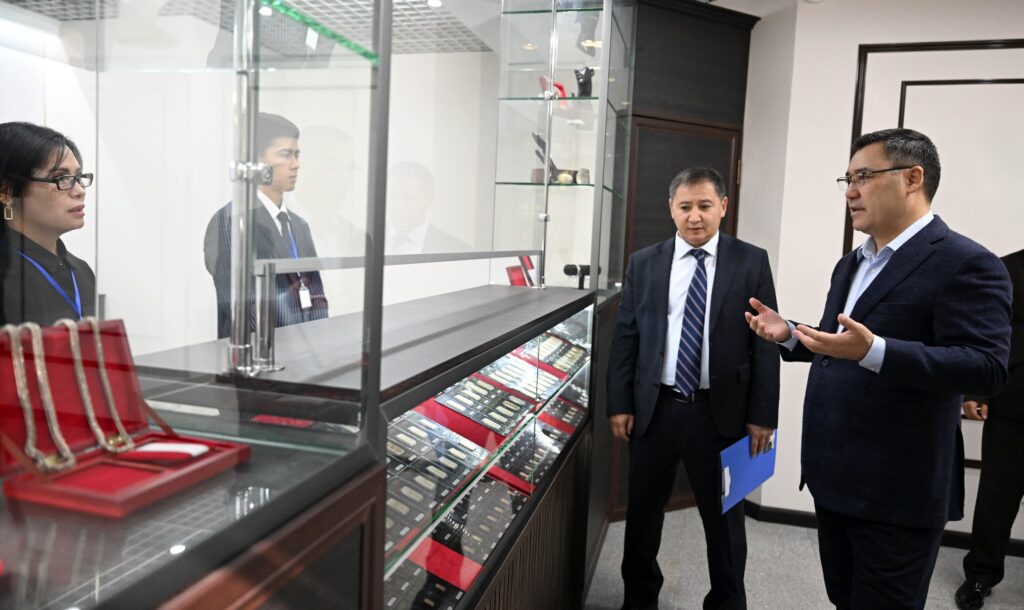
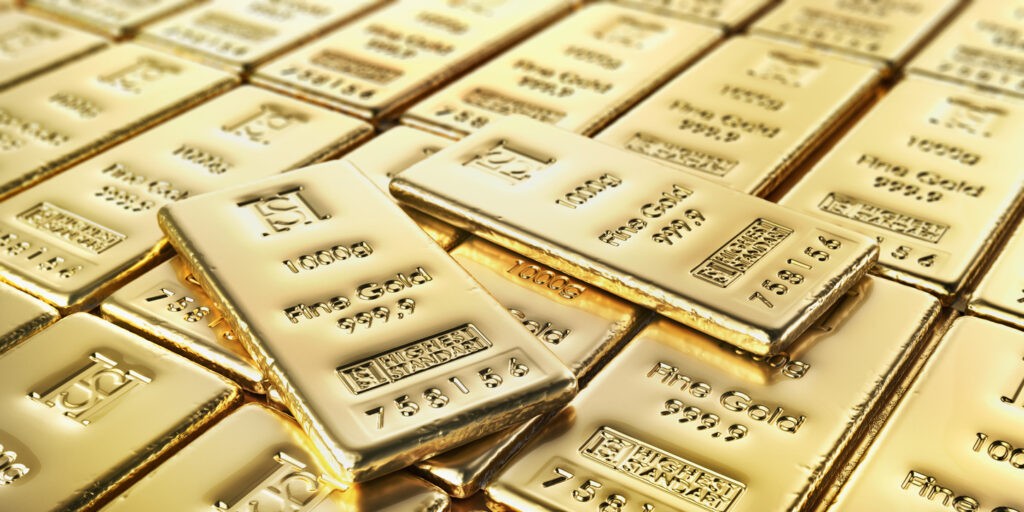
In early September, a state-owned store selling gold bars opened in Bishkek where gold can be bought without the presentation of a passport. Kyrgyzaltyn OJSC has already reported record sales, topping 50 million KGS ($585 thousand), and providing the store with a net income of 3 million KGS ($35 thousand). Changes in the law which previously allowed gold bars to only be bought in limited amounts through the National Bank of Kyrgyzstan, were instigated by President Sadyr Japarov of Kyrgyz, who explained: “The National Bank does not sell bullion without a passport. Businessmen and rich people approached me - worried that if they started showing their documents - the whole of Kyrgyzstan would know about it, including robbers. Businessmen said they would have to stay in their houses and guard the gold,” Having lifted restrictions, Sadyr Japarov called on citizens to buy domestic gold, recommending it as a reliable and profitable investment. The Kyrgyzaltyn store sells gold bars weighing from 1 to 100 grams, each carrying an individual QR code confirming the gold's origin. Prices for the sale and repurchase of gold are set daily, based on London Bullion Exchange quotations. Kyrgyz economists believe that the growth of investment in gold indicates an increase in confidence in this asset. “In Kyrgyzstan, this trend is influenced by several factors. Global instability and fluctuations in currency markets make people look for more reliable assets. Declining yields on bank deposits are also pushing for alternatives. In addition, inflation expectations encourage people to convert their savings into gold,” economist Nurgul Akimova told The Times of Central Asia. Kyrgyzstan has about 380 gold deposits, the largest of which is Kumtor in Issyk-Kul Oblast. The republic's mining sector produced over 20 tons of gold in 2023.
According to data issued by the U.S. Geological Service, in 2023, 130 tons of gold were mined in Kazakhstan and 100 tons in Uzbekistan. Kazakhstan's volume increased by 15 tons compared to 2022, whilst Uzbekistan's decreased by 4 tons. Russia produced 310 tons of gold, equivalent to that mined the previous year. Worldwide, 3,600 tons of gold were produced in 2023, 60 tons less than in 2022. The U.S. Geological Survey has yet to release the latest estimate of gold production in Kyrgyzstan but according to data, the country mined 25.3 tons in 2022. As of September 1, Uzbekistan’s international reserves reached $39.15 billion; a record indicator since data disclosure began in 2018. The National Bank of Kazakhstan counts the country’s gold and foreign exchange reserves in February 2024 at $36.1 billion. In 2014, this indicator was at $26.05 billion, meaning that over the past ten years, the volume of gross international reserves has increased by $10 billion (+38.6%).