


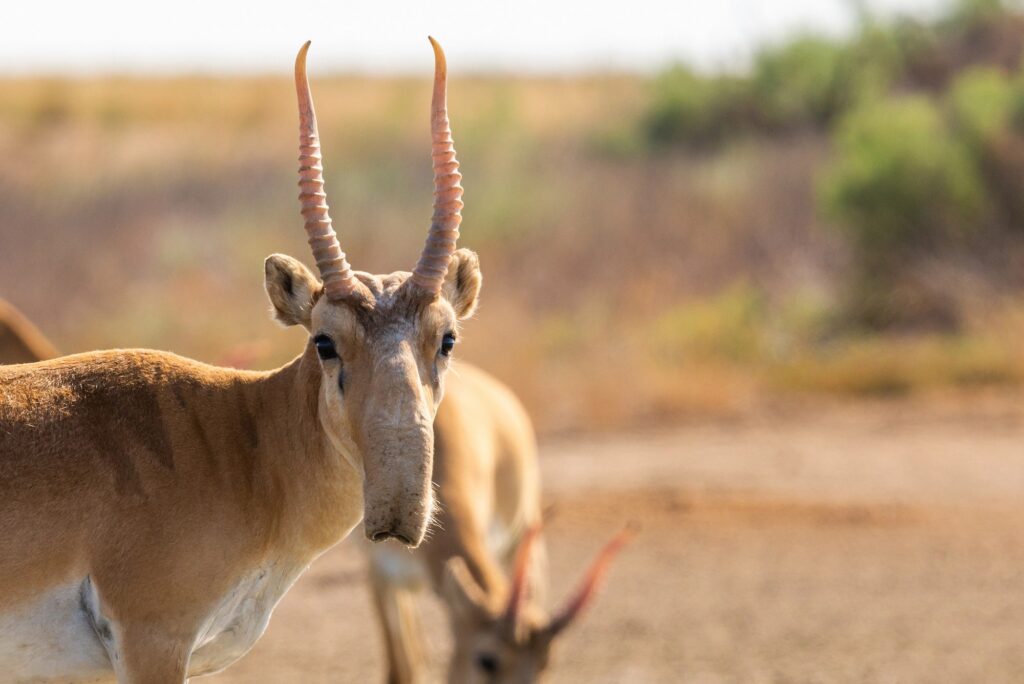
Kazakhstan Plans First Legal Saiga Antler Exports
In 2026, Kazakhstan plans to begin officially exporting the antlers of saiga antelopes for the first time in its history. The initial shipment is expected to total 20 tons, potentially generating tens of millions of dollars on Asian markets. The decision appears both logical and controversial. On one hand, the state has an opportunity to recover part of the funds spent on protecting the species. On the other, legalising trade could stimulate demand and once again make the saiga antelope a target for poachers. From the Brink of Extinction to a “Problem Species” In the early 2000s, the situation was critical. By 2003, only about 21,000 saigas remained in Kazakhstan. The animals were widely poached for their horns, which were sold on Asian markets. The government responded with strict measures, including a hunting ban, enhanced protection, and the establishment of specialised agencies such as Okhotzooprom, responsible for safeguarding rare and endangered wildlife. Even after 2015, when more than 200,000 animals died from pasteurellosis, conservation programs continued. The results were striking. By 2025, the saiga population had surpassed 2 million. However, this conservation success has created new challenges. Large herds have increasingly damaged agricultural land, trampling pastures and destroying crops. Farmers in affected regions have called for urgent intervention and compensation. Stockpiles and Potential Revenue In response, authorities introduced population control measures, including limited culling. At the same time, antlers accumulated in storage facilities both from legally culled animals and those seized from poachers. Today, around 20 tons of saiga antlers are reportedly stored in warehouses. Maintaining these stockpiles entails budgetary costs. With black market prices reaching up to $3,000 per kilogram, the theoretical value of the reserves could approach $60 million. In practice, officials expect lower but still substantial revenue. The main buyers are expected to be in Asia, particularly China, where saiga horns are used in traditional medicine. To enter international markets, Kazakhstan must comply with the strict requirements of the Convention on International Trade in Endangered Species of Wild Fauna and Flora (CITES). This includes demonstrating that trade does not threaten the species’ survival, and ensuring full traceability of the product’s origin. Without such verification, exports will not be permitted. Why Horns Are Being Exported At first glance, domestic processing of saiga horns into pharmaceutical products might appear more profitable. In reality, this option faces significant obstacles. Scientific evidence does not show that there are any medicinal properties in saiga horns, which consist primarily of keratin, similar to human hair and nails. In addition, the traditional medicine market is highly conservative, with consumers placing greater trust in established local brands. Buyers also tend to prefer whole horns, as powdered products are easier to counterfeit. Furthermore, the saiga population remains vulnerable to disease outbreaks, which could undermine long-term investment in processing facilities. Environmental, social, and governance (ESG) considerations further limit investor interest in industries linked to wildlife exploitation. Risks of Legalisation The main concern is that legalising trade could unintentionally strengthen illegal markets. Once a product becomes legal, it...
