
• KGS/USD = 0.01143 0%
  • KZT/USD = 0.00207 0%
  • TJS/USD = 0.10465 0.1%
  • UZS/USD = 0.00008 0%
  • TMT/USD = 0.28571 0.28%
  • KGS/USD = 0.01143 0%
  • KZT/USD = 0.00207 0%
  • TJS/USD = 0.10465 0.1%
  • UZS/USD = 0.00008 0%
  • TMT/USD = 0.28571 0.28%
  • KGS/USD = 0.01143 0%
  • KZT/USD = 0.00207 0%
  • TJS/USD = 0.10465 0.1%
  • UZS/USD = 0.00008 0%
  • TMT/USD = 0.28571 0.28%
  • KGS/USD = 0.01143 0%
  • KZT/USD = 0.00207 0%
  • TJS/USD = 0.10465 0.1%
  • UZS/USD = 0.00008 0%
  • TMT/USD = 0.28571 0.28%
  • KGS/USD = 0.01143 0%
  • KZT/USD = 0.00207 0%
  • TJS/USD = 0.10465 0.1%
  • UZS/USD = 0.00008 0%
  • TMT/USD = 0.28571 0.28%
  • KGS/USD = 0.01143 0%
  • KZT/USD = 0.00207 0%
  • TJS/USD = 0.10465 0.1%
  • UZS/USD = 0.00008 0%
  • TMT/USD = 0.28571 0.28%
  • KGS/USD = 0.01143 0%
  • KZT/USD = 0.00207 0%
  • TJS/USD = 0.10465 0.1%
  • UZS/USD = 0.00008 0%
  • TMT/USD = 0.28571 0.28%
  • KGS/USD = 0.01143 0%
  • KZT/USD = 0.00207 0%
  • TJS/USD = 0.10465 0.1%
  • UZS/USD = 0.00008 0%
  • TMT/USD = 0.28571 0.28%

Viewing results 1 - 6 of 7

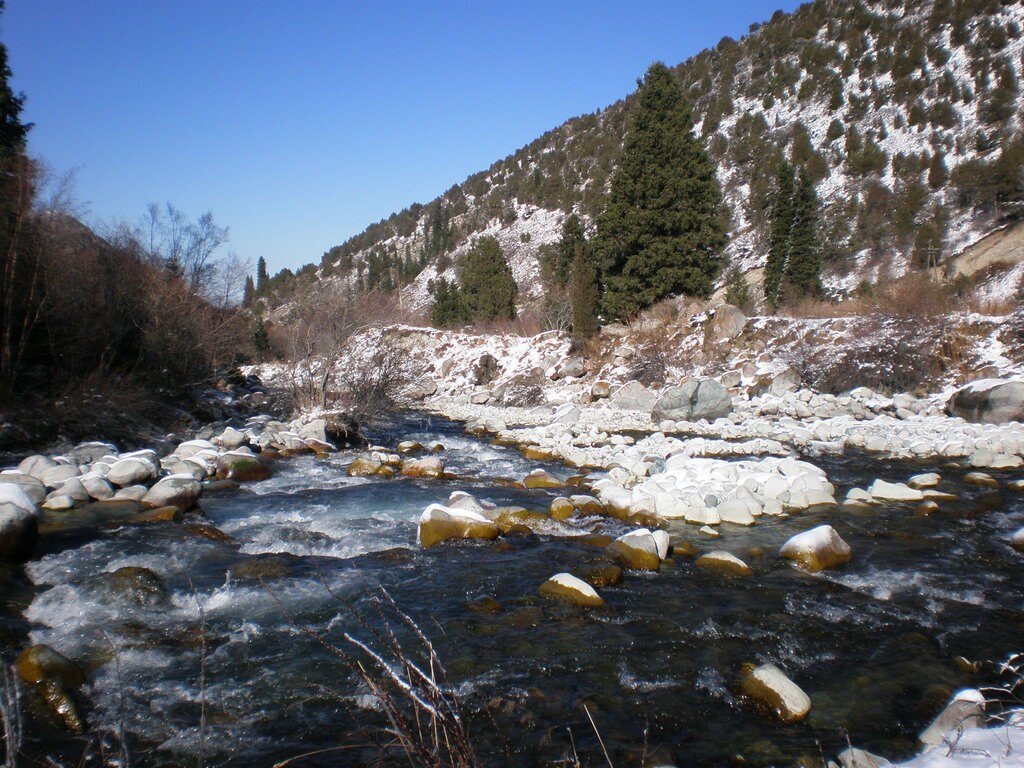
Ecotourism Revenues More Than Double as Visitor Numbers Rise in Kyrgyzstan

Ecotourism in Kyrgyzstan is gaining momentum, with revenues from visits to specially protected natural areas more than doubling in 2025, according to the Ministry of Natural Resources, Ecology, and Technical Supervision. Total revenue reached approximately $431,000, marking a 105% year-on-year increase. The surge reflects growing interest in nature-based tourism. In 2025, more than 271,000 tourists visited Kyrgyzstan’s nature reserves and national parks, a 24% increase compared with the previous year. Domestic tourism remains the main driver. Around 250,500 visitors were Kyrgyz citizens, while the number of foreign tourists also continued to rise steadily. Protected natural areas now cover 7.38% of Kyrgyzstan’s territory. The system includes 10 state nature reserves, covering 509,900 hectares, and 13 state nature parks with a total area of 724,900 hectares. These areas are designated to preserve unique ecosystems, biodiversity, and rare or endangered species. Among the most prominent sites are the Sary-Chelek Biosphere Reserve, a UNESCO-recognised area known for its alpine lake; the Issyk-Kul State Nature Reserve; and Ala-Archa National Park, located near Bishkek and popular with both local residents and international visitors. In April 2025, Kyrgyzstan launched the Ak Ilbirs (Snow Leopard) Ecological Corridor in the Issyk-Kul region, a major conservation initiative aimed at protecting endangered wildlife. The corridor spans more than 792,000 hectares and connects several key protected areas, including Khan-Tengri State Nature Park, Sarychat-Ertash Nature Reserve, and Naryn Nature Reserve. The project is intended to provide a safe habitat for snow leopards and other vulnerable species, while promoting the sustainable use of natural resources. Growth in ecotourism is being accompanied by broader environmental initiatives. Under the national “Jashyl Muras” (Green Heritage) campaign, Kyrgyzstan is implementing reforestation and landscaping programmes in protected areas. In 2025 alone, more than 25,200 tree saplings were planted across 39 hectares, contributing to the restoration of natural ecosystems. Officials say that efforts to expand conservation areas, improve tourism infrastructure, and promote sustainable travel are helping position Kyrgyzstan as an increasingly attractive destination for environmentally conscious travelers.
Kazakhstan Plans to Expand Nature Reserves by Two Million Hectares by 2035

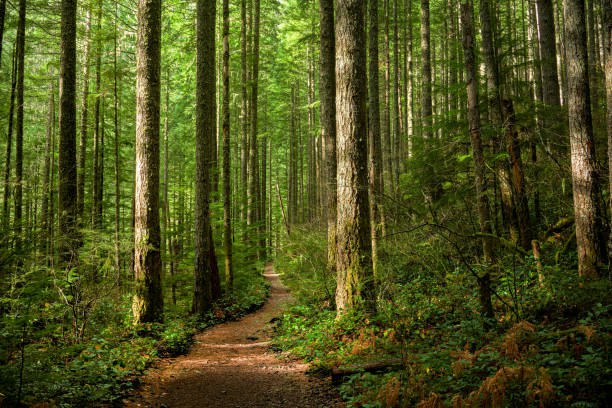
Kazakhstan plans to significantly expand its system of specially protected natural areas (SPNAs) over the next decade. Under a new state strategy, the country aims to increase the area of nature reserves and national parks by 2 million hectares by 2035 and expand its forest fund by 0.8 million hectares. The targets are outlined in the Concept for the Conservation and Sustainable Use of Biological Diversity for 2026-2035, which defines key environmental policy priorities and long-term measures to protect natural resources. The first priority of the concept is the development of a unified ecological network and the expansion of the system of specially protected natural areas. According to the Ministry of Ecology and Natural Resources, creating and expanding such areas is one of the most effective tools for preserving biodiversity and is widely used internationally. By 2035, the area of specially protected natural areas in Kazakhstan is expected to increase from the current 31 million hectares to 33.2 million hectares. The second priority focuses on improving forest protection and developing sustainable forest management. The government plans to increase the country’s forest area to 14.7 million hectares, up from the current 13.9 million hectares, while ensuring more rational use of timber resources. The third area of the concept concerns improving systems for monitoring and protecting wildlife. The fourth set of measures focuses on protecting fish species and natural fish resources. Authorities plan to strengthen ecosystem monitoring and expand scientific research into risk factors affecting aquatic biological resources. The fifth and sixth areas address the conservation of plant life and the problem of pasture degradation, one of the country’s most significant environmental challenges. The concept was developed through interagency cooperation with the participation of international partners. In particular, the United Nations Development Programme in Kazakhstan provided support through a project funded by the Global Environment Facility. The Ministry of Ecology says the strategy should strengthen Kazakhstan’s role as one of Central Asia’s regional leaders in nature conservation and create a foundation for new international environmental partnerships. Earlier, it was reported that Kazakhstan is also considering the possibility of limited and strictly regulated exports of saiga horns from the rare steppe antelope whose population has increased hundreds of times over the past two decades.

Kazakhstan Establishes New Nature Reserve in Zhambyl Region

The Merke Regional Nature Park has been established in Kazakhstan's southern Zhambyl region. Granted the status of a protected natural area, the park aims to preserve the unique ecosystems of the foothill and mountain zones of the Western Tien Shan. Covering 86,632 hectares, Merke is home to rare and endemic species, including snow leopards, argali sheep, Indian porcupines, and Turkestan lynxes. The park also opens avenues for developing ecotourism, environmental education, and inclusive community engagement in sustainable land use. Future plans include infrastructure development, job creation, and the implementation of scientific and educational programs. Its establishment was made possible through strong collaboration among government bodies, scientific institutions, local communities, and international partners, including the United Nations Development Programme (UNDP). “UNDP supports Kazakhstan’s efforts to expand its protected area system and strengthen environmental policy at the regional level. Merke Park is a strong example of how local initiatives contribute to global biodiversity goals and climate resilience,” said Katarzyna Wawiernia, UNDP Resident Representative in Kazakhstan. As part of ongoing cooperation between Kazakhstan and the UNDP, ten new specially protected natural areas have already been created nationwide, including the Akzhayik, Altyn-Dala, and Ile-Balkhash nature reserves, as well as the Buyratau, Zhongar Alatau, and Tarbagatai national parks. Additionally, six existing protected areas have been expanded. For the first time, Kazakhstan has also established the Kapshagay-Balkhash and Yrgyz-Torgay-Zhylanshyk ecological corridors, spanning 2.9 million hectares, to safeguard the migration routes of rare animal species.
