
• KGS/USD = 0.01144 0%
  • KZT/USD = 0.00205 0%
  • TJS/USD = 0.10486 0.48%
  • UZS/USD = 0.00008 0%
  • TMT/USD = 0.28571 0%
  • KGS/USD = 0.01144 0%
  • KZT/USD = 0.00205 0%
  • TJS/USD = 0.10486 0.48%
  • UZS/USD = 0.00008 0%
  • TMT/USD = 0.28571 0%
  • KGS/USD = 0.01144 0%
  • KZT/USD = 0.00205 0%
  • TJS/USD = 0.10486 0.48%
  • UZS/USD = 0.00008 0%
  • TMT/USD = 0.28571 0%
  • KGS/USD = 0.01144 0%
  • KZT/USD = 0.00205 0%
  • TJS/USD = 0.10486 0.48%
  • UZS/USD = 0.00008 0%
  • TMT/USD = 0.28571 0%
  • KGS/USD = 0.01144 0%
  • KZT/USD = 0.00205 0%
  • TJS/USD = 0.10486 0.48%
  • UZS/USD = 0.00008 0%
  • TMT/USD = 0.28571 0%
  • KGS/USD = 0.01144 0%
  • KZT/USD = 0.00205 0%
  • TJS/USD = 0.10486 0.48%
  • UZS/USD = 0.00008 0%
  • TMT/USD = 0.28571 0%
  • KGS/USD = 0.01144 0%
  • KZT/USD = 0.00205 0%
  • TJS/USD = 0.10486 0.48%
  • UZS/USD = 0.00008 0%
  • TMT/USD = 0.28571 0%
  • KGS/USD = 0.01144 0%
  • KZT/USD = 0.00205 0%
  • TJS/USD = 0.10486 0.48%
  • UZS/USD = 0.00008 0%
  • TMT/USD = 0.28571 0%

Viewing results 1 - 6 of

World Bank Urges Reforms to Unlock Uzbekistan’s Service Sector Potential

The World Bank has published a report analyzing Uzbekistan’s service sector, underscoring its critical role in driving economic growth and creating jobs. In 2023, the service sector accounted for 43.9% of the country’s GDP, solidifying its position as the main pillar of the Uzbek economy, ahead of industry, agriculture, and construction. The sector has also become a key source of employment, compensating for the long-term decline in agricultural jobs since independence. Since 2017, Uzbekistan has implemented market reforms that have spurred sustainable economic growth, averaging 5.5% annually. In 2023, the service sector alone contributed to a 6.3% rise in GDP. However, structural transformation has lagged, with the sector’s share of GDP increasing only modestly - from 41% in 2010 to 44% in 2022. The report highlights challenges such as a concentration of low-skilled jobs in retail, hospitality, and transport, while high-productivity and innovation-driven services, such as ICT and professional services, remain underdeveloped, comprising just 4% of service-sector employment. To unlock the sector’s full potential, the World Bank report identifies three key priorities -connectivity, contestability, and capabilities (3Cs). Improving physical and digital infrastructure is critical, as Uzbekistan ranks 88th globally on logistics performance indicators. While 4G/LTE coverage is expanding, it has yet to achieve universal accessibility. Additionally, market liberalization is essential, as restrictions on cross-border services and state monopolies in sectors like telecommunications hinder competition and innovation. The World Bank recommends a range of reforms, including investing in infrastructure, liberalizing markets, easing data localization requirements, and expanding professional education programs such as One Million Uzbek Coders. These initiatives, combined with Uzbekistan’s anticipated accession to the World Trade Organization (WTO), could significantly boost the economy. The report projects that these reforms could increase GDP by 17%, stimulate growth in the financial, communications, and insurance sectors, and support the development of small and medium-sized industries. Market liberalization, in particular, promises substantial economic benefits, including higher wages and enhanced global competitiveness. By addressing these challenges, Uzbekistan can position its service sector as a key driver of sustainable growth and long-term prosperity.
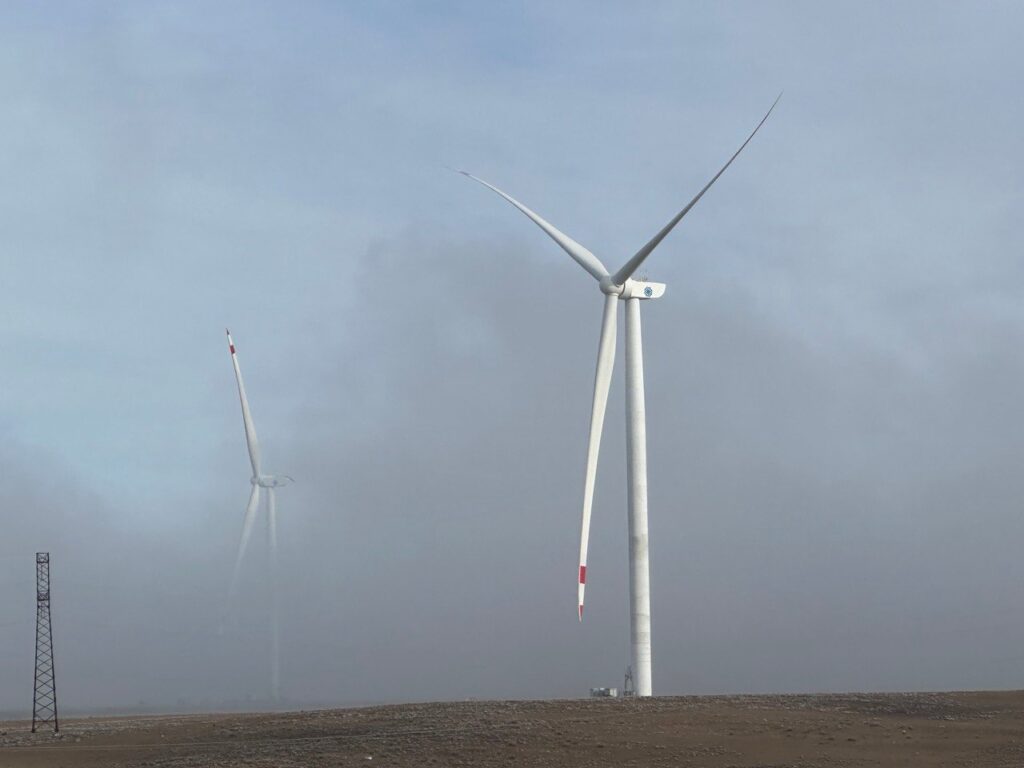

Green Energy as a New Driver of Uzbekistan’s Economy

At a government meeting chaired by President Shavkat Mirziyoyev on February 28th, it was announced that in 2024, Uzbekistan will produce 13 billion kilowatt-hours of green energy via hydro, wind, and solar power plants, to generate 15% of the country’s electricity. For decades, natural gas, oil products, and coal have fuelled Uzbekistan’s electricity but in recent years, the country’s natural gas has severely depleted. In 2023, Uzbekistan registered a reduction in the production by more than 4.5 billion cubic meters, necessitating the need to import natural gas from Russia through Kazakhstan. Official statistics also recorded a decrease in the country’s oil production. At yesterday’s meeting, it was stated that the country’s potential for solar and wind energy is 10-12 times higher than the current demand for electricity. In response, the government has launched major programs to create green energy with attractive packages for investors. To date, the renewable energy sector has attracted $2.1 billion in direct foreign investment enabling the implementation of projects worth $13 billion. Solar and wind power plants are currently under construction across the country, with nine solar and wind power plants with a total capacity of 1.6 gigawatts already launched in Bukhara, Jizzakh, Kashkadarya, Navoi, Samarkand, and Surkhandarya. Rooftop solar panels with a total capacity of 457 megawatts have also been installed in commercial, public, and residential buildings. When combined, these new measures produce an additional 5 billion kilowatt-hours of green electricity to the national grid and save 1.5 billion cubic meters of natural gas. President Mirziyoyev confirmed that the government has commissioned the following to be completed over the next three years: 28 solar and wind power plants with a total capacity of 8 gigawatts, 944 kilometers of high-voltage power lines, six large substations and 18 energy storage facilities with a total capacity of 2.2 gigawatts. He also emphasized that apart from the obvious benefits to the environment, the sector’s demand from local enterprises for solar panels, transformers and other related products has resulted in green energy becoming a new driver of the national economy.