
• KGS/USD = 0.01144 0%
  • KZT/USD = 0.00207 0%
  • TJS/USD = 0.10417 -0.76%
  • UZS/USD = 0.00008 0%
  • TMT/USD = 0.28571 0%
  • KGS/USD = 0.01144 0%
  • KZT/USD = 0.00207 0%
  • TJS/USD = 0.10417 -0.76%
  • UZS/USD = 0.00008 0%
  • TMT/USD = 0.28571 0%
  • KGS/USD = 0.01144 0%
  • KZT/USD = 0.00207 0%
  • TJS/USD = 0.10417 -0.76%
  • UZS/USD = 0.00008 0%
  • TMT/USD = 0.28571 0%
  • KGS/USD = 0.01144 0%
  • KZT/USD = 0.00207 0%
  • TJS/USD = 0.10417 -0.76%
  • UZS/USD = 0.00008 0%
  • TMT/USD = 0.28571 0%
  • KGS/USD = 0.01144 0%
  • KZT/USD = 0.00207 0%
  • TJS/USD = 0.10417 -0.76%
  • UZS/USD = 0.00008 0%
  • TMT/USD = 0.28571 0%
  • KGS/USD = 0.01144 0%
  • KZT/USD = 0.00207 0%
  • TJS/USD = 0.10417 -0.76%
  • UZS/USD = 0.00008 0%
  • TMT/USD = 0.28571 0%
  • KGS/USD = 0.01144 0%
  • KZT/USD = 0.00207 0%
  • TJS/USD = 0.10417 -0.76%
  • UZS/USD = 0.00008 0%
  • TMT/USD = 0.28571 0%
  • KGS/USD = 0.01144 0%
  • KZT/USD = 0.00207 0%
  • TJS/USD = 0.10417 -0.76%
  • UZS/USD = 0.00008 0%
  • TMT/USD = 0.28571 0%

Viewing results 1 - 6 of 2

Olives, Oranges, and Mandarins to Be Grown in Southern Kyrgyzstan

Citrus seedlings imported from Turkey have been planted in southern Kyrgyzstan as part of an experimental initiative to evaluate their adaptability to the local climate. The Ministry of Agriculture is conducting the trial with a view to diversifying the country's agricultural output and introducing high-value crops. The seedlings, mandarin, orange, olive, and kunkuvat (a variety of orange), were delivered by ministry specialists for test cultivation. According to Minister of Agriculture Bakyt Torobaev, the trials are being carried out in the Batken region, where agroclimatic conditions are considered most suitable for heat-loving crops. “If the seedlings take root successfully, local farmers will attempt to scale up cultivation and expand citrus production to other parts of southern Kyrgyzstan,” Torobaev said. Bakyt Mambetov, Director of the Department of Agricultural Crops and Horticulture, added that the aim of the trials is to evaluate the plants’ resilience to climatic and soil conditions, as well as their productivity and resistance to diseases and pests. “If the results are positive, these crops will be recommended for both farm-level and private garden cultivation, to meet domestic demand and create export opportunities,” he said. Mambetov emphasized that introducing such crops could significantly boost the profitability of Kyrgyz horticulture and expand the country’s agricultural export potential. This is not the ministry’s first citrus initiative. Several years ago, Tashkent lemons were successfully cultivated in the mountainous northern regions of Kyrgyzstan, with the first harvest yielding promising results.
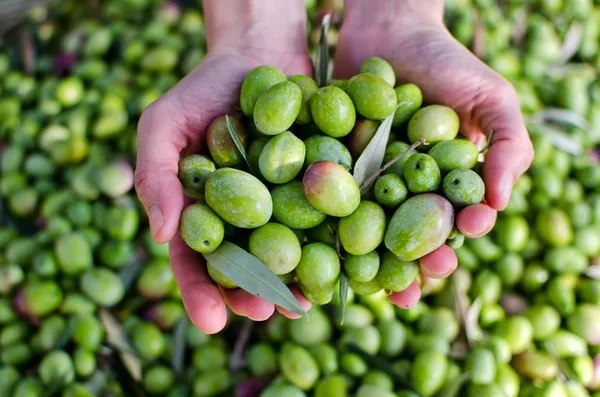

Kazakhstan Launches $20 Million Olive Cultivation and Oil Production Project

A major agricultural initiative valued at $20 million is underway in Kazakhstan, where the country’s first olive plantations have been established. By 2025, the total cultivated area is expected to reach 100 hectares. Laying the Groundwork for Investment Kazakhstan’s Minister of Agriculture, Aidarbek Saparov, recently met with George Svanidze, President of Global Olive Corporation, to discuss the ongoing implementation of the olive cultivation and olive oil production project. Launched in 2023, the project is a joint effort involving Kazakh companies QVM Technology, Ordabasy Group, and Ervira, in partnership with Georgia’s Olive Georgia. Initial pilot plantations were established in the Zhetysu, Turkestan, and Mangistau regions, where over 6,000 olive seedlings were planted, an effort that achieved a remarkable 99.7% survival rate. From Pilot Plantings to Industrial Production In spring 2024, the project expanded with new seedlings imported from Spain and Turkey. By the end of 2025, the cultivated area is expected to reach 100 hectares, with the first harvest anticipated within five years. Saparov emphasized the strategic value of the initiative, which aligns with Kazakhstan’s broader efforts to expand its food processing industry: “Our goal is to increase the share of processed agricultural products to 70%. The development of the olive industry is strategically important for the agro-industrial complex. We are committed to providing comprehensive support for this project,” Saparov said. Target: One Million Trees and Domestic Oil Production George Svanidze outlined ambitious plans to establish a sustainable olive industry in Kazakhstan, including planting up to one million olive trees, constructing a modern olive oil production facility, and setting up a nursery for seedling propagation. “We are ready to bring in international experts, train Kazakhstani agronomists, and share advanced technologies,” said Svanidze. According to preliminary estimates, annual yields could reach 150,000 tons of olives, enabling the production of up to 30,000 tons of olive oil. Kazakh partner QVM Technology confirmed the Ministry of Agriculture’s active support for the project. The meeting concluded with the signing of a Memorandum of Understanding and the preparation of a Road Map outlining the key implementation stages. Exotic Crops on Kazakh Soil Kazakhstan has previously experimented with cultivating non-native crops. In Turkestan region, bananas are grown successfully on a five-hectare plantation, yielding around 1,000 tons. Local authorities are also supporting efforts to expand tropical fruit cultivation, including mangoes and avocados, on a planned 90-hectare site. These initiatives reflect Kazakhstan’s commitment to modernizing its agricultural sector, diversifying crop production, and enhancing both food security and export potential.