
• KGS/USD = 0.01144 0%
  • KZT/USD = 0.00213 0%
  • TJS/USD = 0.10699 0%
  • UZS/USD = 0.00008 0%
  • TMT/USD = 0.28571 0%
  • KGS/USD = 0.01144 0%
  • KZT/USD = 0.00213 0%
  • TJS/USD = 0.10699 0%
  • UZS/USD = 0.00008 0%
  • TMT/USD = 0.28571 0%
  • KGS/USD = 0.01144 0%
  • KZT/USD = 0.00213 0%
  • TJS/USD = 0.10699 0%
  • UZS/USD = 0.00008 0%
  • TMT/USD = 0.28571 0%
  • KGS/USD = 0.01144 0%
  • KZT/USD = 0.00213 0%
  • TJS/USD = 0.10699 0%
  • UZS/USD = 0.00008 0%
  • TMT/USD = 0.28571 0%
  • KGS/USD = 0.01144 0%
  • KZT/USD = 0.00213 0%
  • TJS/USD = 0.10699 0%
  • UZS/USD = 0.00008 0%
  • TMT/USD = 0.28571 0%
  • KGS/USD = 0.01144 0%
  • KZT/USD = 0.00213 0%
  • TJS/USD = 0.10699 0%
  • UZS/USD = 0.00008 0%
  • TMT/USD = 0.28571 0%
  • KGS/USD = 0.01144 0%
  • KZT/USD = 0.00213 0%
  • TJS/USD = 0.10699 0%
  • UZS/USD = 0.00008 0%
  • TMT/USD = 0.28571 0%
  • KGS/USD = 0.01144 0%
  • KZT/USD = 0.00213 0%
  • TJS/USD = 0.10699 0%
  • UZS/USD = 0.00008 0%
  • TMT/USD = 0.28571 0%

Viewing results 1 - 6 of 4

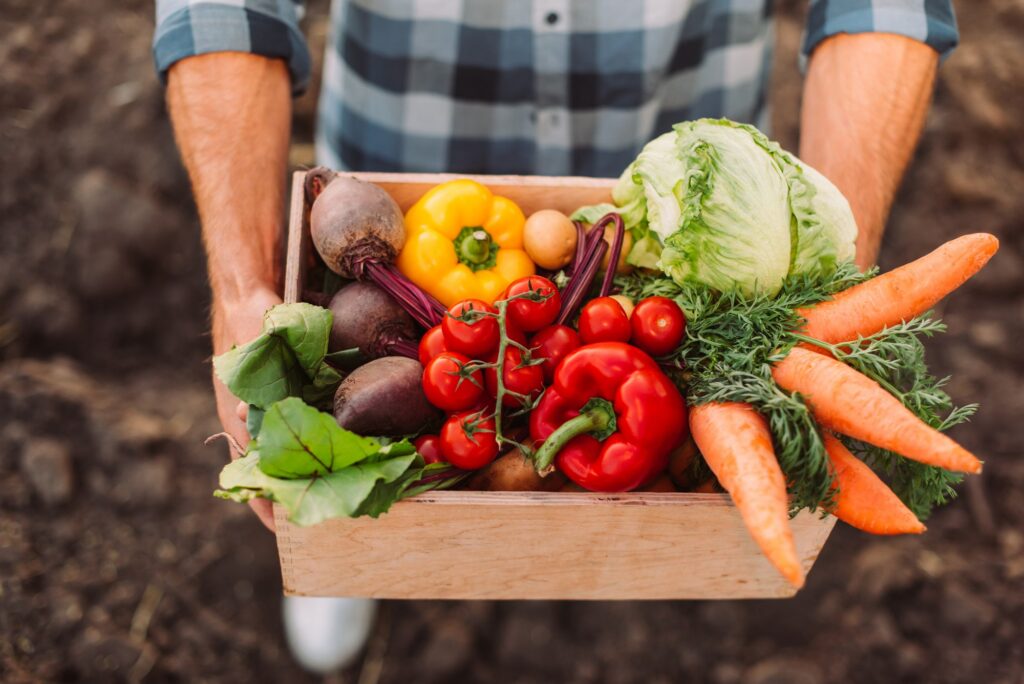
Kyrgyzstan Moves to Expand Organic Farming but Certification Barriers Limit Exports

Kyrgyzstan is stepping up efforts to expand organic agriculture, but limited access to international certification continues to pose a major obstacle to export growth. The country currently has nine agricultural cooperatives and 30 organic farmland plots covering about 61,500 hectares. Certified organic land accounts for just over 5% of total arable land. Cooperatives operating under international standards produce crops such as cotton, herbs, apricots, and grains for export to more than 30 countries. Smaller farms, however, often rely on the Participatory Guarantee System (PGS), a low-cost, community-based certification model mainly used for domestic markets. Despite strong potential for high-value organic products, including berries and vegetables, obtaining international certification remains costly and administratively complex for small producers. To address these challenges, the government adopted a development programme for 2025-2029. The strategy aims to expand organic farmland to 200,000 hectares, transition the Issyk-Kul and Naryn regions toward predominantly organic production, and increase the share of organic products to 25% of both total agricultural output and exports. Officials view organic farming as an important tool for sustainable rural development. However, further expansion of the sector will depend largely on improving access to internationally recognized certification systems.

Turkic States Push Digital Integration and Organic Farming in Agriculture Sector

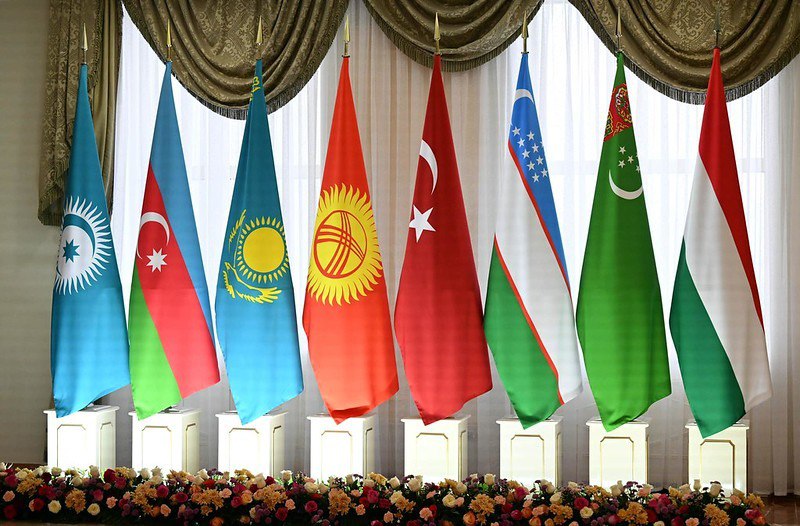
The fourth meeting of agriculture ministers from the Organization of Turkic States (OTS) took place on June 25 in Cholpon-Ata, in Kyrgyzstan’s Issyk-Kul region, with a strong focus on organic agriculture and digital transformation in the sector. Strengthening Regional Agricultural Cooperation Agriculture ministers from Azerbaijan, Kazakhstan, Kyrgyzstan, Turkey, Uzbekistan, and Hungary convened to reaffirm their shared commitment to sustainable agriculture and explore strategies for deepening regional cooperation. Central to the discussions was the promotion of organic farming as a tool for ensuring food security, preserving natural resources, and adapting to climate change. The ministers unanimously supported Kyrgyzstan’s proposal to designate Cholpon-Ata as the “Agricultural Capital of the OTS” for one year, beginning in September 2025. A major outcome of the meeting was the decision to establish a Digital Agro-Platform for OTS member states. This digital initiative is designed to simplify market access for farmers and agribusinesses, reduce trade and customs barriers, and increase transparency in agricultural supply chains. The platform aims to streamline trade within the region and bolster exports. The ministers also endorsed the promotion of a unified regional label, “OTS-Made”, for agricultural and food products originating from member countries, with the goal of strengthening brand identity and consumer trust. Kyrgyzstan’s Organic Agriculture Ambitions During the forum, Kyrgyzstan’s Deputy Chairman of the Cabinet of Ministers and Minister of Water Resources, Agriculture and Processing Industry, Bakyt Torobayev, announced a national organic agriculture development program for 2025-2029. The program sets ambitious targets: expanding certified organic farmland from the current 63,000 hectares (5.25% of arable land) to 200,000 hectares by 2029 and transitioning the Issyk-Kul and Naryn regions entirely to organic farming methods. In addition to increasing the land under organic cultivation, the government aims to raise the share of organic products to 25% of total agricultural output and increase the proportion of organic goods in agricultural exports to 25%. “Kyrgyz agricultural products are environmentally friendly, as they are produced in favorable agro-climatic conditions, on mountain pastures irrigated with clean glacial waters, and on fertile lands,” said Torobayev. By positioning organic agriculture as a regional priority and embracing digital tools, the OTS member countries are taking coordinated steps to modernize their agricultural sectors and ensure long-term food and environmental sustainability.