Viewing results 1 - 6 of 3
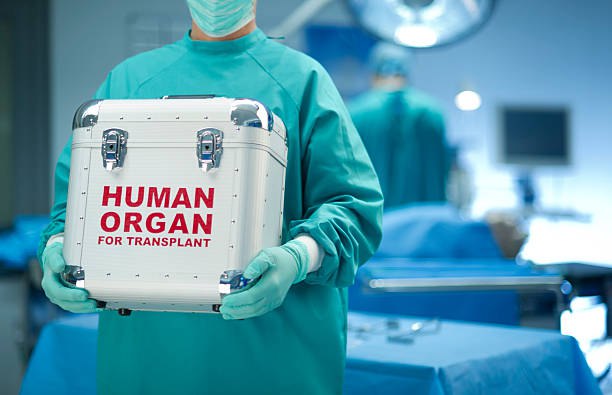
Uzbekistan’s State Security Service and Ministry of Internal Affairs have uncovered a transnational criminal network involved in the illegal trafficking of human organs. Authorities report that the group included 12 individuals from Tashkent and the Tashkent, Fergana, Bukhara, and Kashkadarya regions. The suspects allegedly used social media platforms to identify patients with kidney and liver conditions, while simultaneously recruiting healthy individuals willing to sell their organs in exchange for large sums of money. With the help of accomplices abroad, the group reportedly forged identity documents to present donors as close relatives of patients, thereby enabling organ transplants to be carried out at a private clinic in a neighboring country. Investigators said that between 2023 and 2025, at least 32 patients underwent kidney or liver transplants arranged by the network. Large payments were collected from recipients, with portions paid to the clinic and donors, while the remainder was divided among the organizers. In cases where patients experienced complications or failed to improve post-surgery, the group allegedly sold them strong painkillers at inflated prices. Criminal charges have been filed under provisions of the Criminal Code related to illegal organ trafficking, document forgery, smuggling, and drug-related offenses. The case has now been referred to the court system for further proceedings. Illegal organ trade has emerged as a broader regional issue. In April 2024, Kyrgyzstan’s State Committee for National Security (SCNS) announced the arrest of individuals connected to an international network facilitating black-market organ sales. According to the SCNS, the group identified wealthy foreign patients willing to pay high prices for transplants and recruited Kyrgyz citizens as donors using fraudulent methods. Donors received between $1,000 and $7,000 for a kidney, while the organizers reportedly earned up to $70,000 per operation.
A 35-year-old Ukrainian woman has been arrested in Przemyśl, Poland, based on an Interpol Red Notice, according to the country’s prosecutor’s office. She has been on the run since November 9, 2020, after being sentenced to 12 years in prison by a court in Kazakhstan for her role in an organized crime group involved in human organ trafficking. On March 6, 2025, border guards at the railway crossing in Przemyśl detained Ksenia P. (whose name is protected under Polish privacy laws) during a routine inspection. Authorities confirmed that she had been convicted in Kazakhstan for her involvement in an international criminal group that operated between 2017 and 2019. The group illegally harvested human tissues and organs for sale on the black market. Ksenia P. was found guilty of obtaining human kidneys from 56 victims across several countries, including Kazakhstan, Armenia, Azerbaijan, Ukraine, Kyrgyzstan, Tajikistan, Uzbekistan, and Thailand. The illegal trade was conducted for financial gain, with the criminal network relying on it as a steady source of income. Following her arrest, the District Prosecutor’s Office in Przemyśl questioned Ksenia P. and, on March 7, 2025, requested the District Court to impose a temporary seven-day detention. This measure is intended to facilitate her extradition to Kazakhstan, where she is expected to serve her sentence.
Kyrgyzstan is considering allowing kidney transplants for foreign citizens as part of its efforts to expand medical tourism, Health Minister Erkin Checheybayev announced. Rising Transplant Numbers According to the Ministry of Health, kidney transplants in Kyrgyzstan are on the rise. In 2024, the number of such procedures increased by 36.4% compared to the previous year. “Kidney transplantation is a life-saving operation for patients on dialysis. Developing this field is crucial, as organ transplants ease the burden on the healthcare system and significantly improve patients’ quality of life. We are working on a regulatory framework to ensure sustainable financing and fair compensation for medical professionals,” Checheybayev stated. The ministry is exploring the possibility of offering organ transplants to foreign patients, which could provide additional funding for medical institutions specializing in high-tech surgeries. Challenges Remain Despite these ambitions, Checheybayev previously told parliament that Kyrgyz hospitals are not yet fully equipped to handle organ transplants on a large scale. "Facilities at two medical institutions are being prepared, but the necessary infrastructure is not yet in place. Preoperative and postoperative care must be improved, and cadaveric organ donation must be legalized before we can move forward,” the minister explained.