
• KZT/USD = 0.00214
  • TJS/USD = 0.10810
  • UZS/USD = 0.00008
  • TMT/USD = 0.29760
  • KZT/USD = 0.00214
  • TJS/USD = 0.10810
  • UZS/USD = 0.00008
  • TMT/USD = 0.29760
  • KZT/USD = 0.00214
  • TJS/USD = 0.10810
  • UZS/USD = 0.00008
  • TMT/USD = 0.29760
  • KZT/USD = 0.00214
  • TJS/USD = 0.10810
  • UZS/USD = 0.00008
  • TMT/USD = 0.29760
  • KZT/USD = 0.00214
  • TJS/USD = 0.10810
  • UZS/USD = 0.00008
  • TMT/USD = 0.29760
  • KZT/USD = 0.00214
  • TJS/USD = 0.10810
  • UZS/USD = 0.00008
  • TMT/USD = 0.29760
  • KZT/USD = 0.00214
  • TJS/USD = 0.10810
  • UZS/USD = 0.00008
  • TMT/USD = 0.29760
  • KZT/USD = 0.00214
  • TJS/USD = 0.10810
  • UZS/USD = 0.00008
  • TMT/USD = 0.29760

Viewing results 1 - 6 of 2

Kazakhstan Allocates $73 Million for August Kurultai Elections

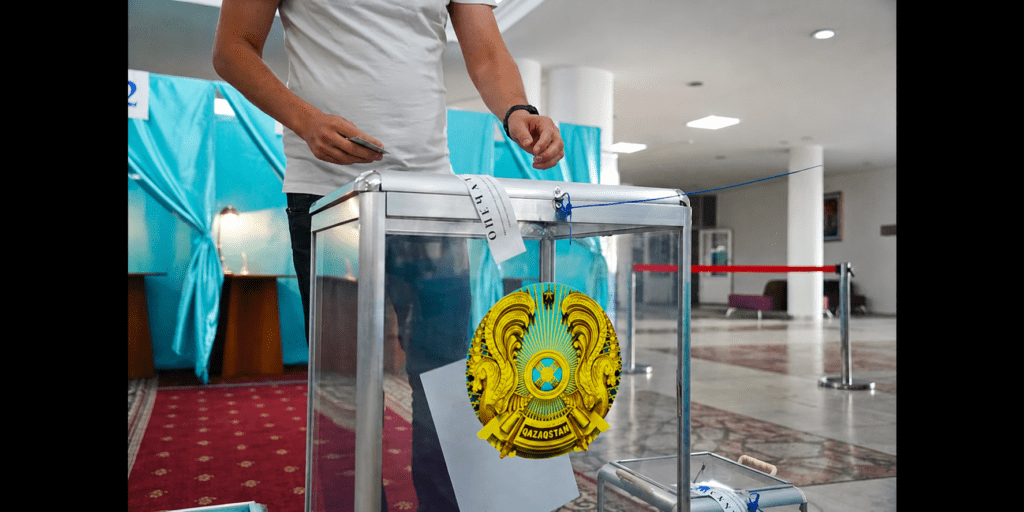
Kazakhstan has allocated 34.3 billion KZT, approximately $73 million, from the government’s reserve fund to finance elections for the country’s newly established Kurultai, the unicameral parliament created under the country’s new Constitution, according to Central Election Commission (CEC) member Mikhail Bortnik. Kazakhstan’s new Constitution entered into force on July 1, replacing the previous bicameral parliament with the Kurultai. Elections for the new legislature are scheduled for August 23. A total of 145 deputies will be elected from party lists. Under the new electoral rules, at least 30% of candidates nominated by each political party must come from three combined categories: women, young people, and persons with disabilities. Speaking on July 14, Bortnik said the election budget would be financed from the government’s reserve because the 2026 state budget had been approved before the constitutional reform and therefore did not include funding for the parliamentary elections. “The budget for the upcoming elections has been prepared based on the needs identified by territorial election commissions and in accordance with electoral legislation, including all expenditures necessary to ensure the legality, transparency, and proper organization of the electoral process,” Bortnik said. The largest share of the funding will cover the work of Kazakhstan’s election administration. More than 70,000 election officials will operate 10,674 polling stations nationwide. Around 8.5 billion KZT, or more than $18 million, roughly 25% of the total budget, has been allocated for organizational expenses, including travel, transport, technical support, ballot printing, equipment, and the establishment of 47 new polling stations. The funding will also cover the preparation of voter information materials, methodological guidance for election officials, public information campaigns, and the operational costs of the Central Election Commission. The CEC is expected to complete the registration of party candidate lists by 6:00 p.m. on July 23. So far, seven political parties have submitted their candidate lists. According to CEC Secretary Shavkat Utemisov, the Adilet Party submitted the largest list, with 186 candidates, while the Nationwide Social Democratic Party submitted the smallest, with 33 candidates. The remaining parties submitted lists ranging from 63 candidates for the Ak Zhol Democratic Party of Kazakhstan to 76 for the Respublica Party. The candidate lists are currently being reviewed by the relevant government agencies to verify that all nominees meet the legal requirements for election. As previously reported by The Times of Central Asia, Kazakhstan’s Constitutional Court recently ruled that President Kassym-Jomart Tokayev remains eligible to seek another presidential term under the country’s 2026 Constitution.

Kazakhstan’s New Kurultai Elections: What the 30% Quota Could Mean for Women in Parliament

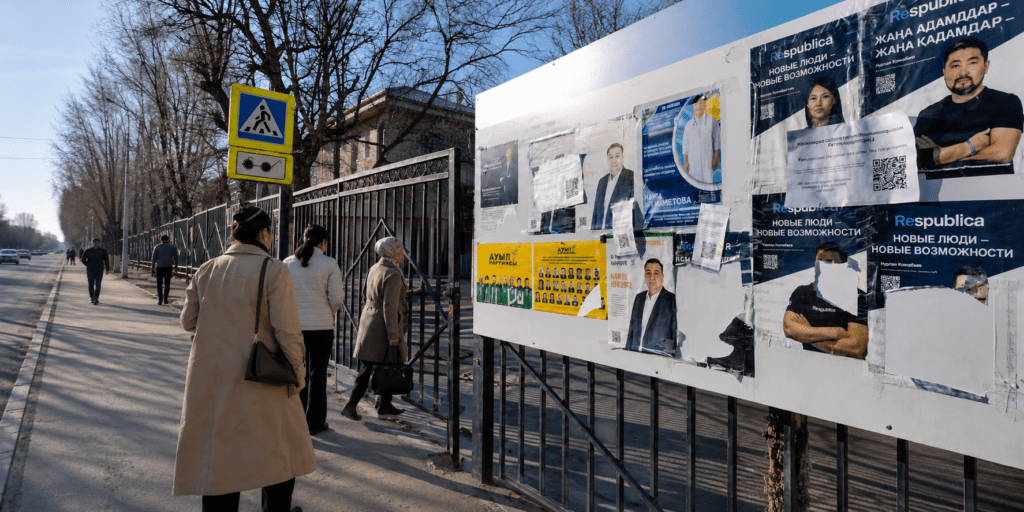
Kazakhstan’s new Constitution entered into force on July 1. On August 23, voters will elect the country’s first unicameral Kurultai, a 145-member legislature that replaces the former Mazhilis and Senate. Political parties are already submitting their lists, with nominations open from July 2 to July 13. Those lists must meet an inclusion requirement that has taken on new significance under the new electoral system: at least 30% of candidates must come from three combined categories, women, young people, and people with disabilities. How many women will actually enter the new parliament will become clear only after the votes are counted. But it is already possible to assess what the rule can achieve, and where its weaknesses lie. What the Law Requires The quota is less straightforward in practice. It does not guarantee that 30% of seats will go to women. The rule sets a combined 30% target that includes women alongside young people and people with disabilities. A party could comply with the rule while doing relatively little to increase women’s representation, if enough candidates from the other eligible categories are included. The rule carries added weight because Kazakhstan’s new Kurultai will be elected through a nationwide proportional party-list system. Under this model, placement on party lists can count as much as the overall number of women nominated. Kazakhstan has also lowered the threshold for registering political parties from 40,000 to 20,000 members, a change intended to make it easier for new political forces to participate. Seven parties have been cleared to compete in the August 23 election. Kazakhstan’s Starting Point Before the transition to the new unicameral legislature, women’s representation in Kazakhstan’s parliament remained limited. By the end of 2025, women held 17 seats in the Mazhilis, or 17.3% of the chamber. As of July 2025, women held 10 of 50 seats in the Senate, or 20%. By comparison, the global average for women’s representation in national parliaments stood at 27.5% at the end of 2025, after rising by just 0.3 percentage points over the year. Kazakhstan enters its first Kurultai election from a position below the global average. How Neighboring Countries Have Addressed the Issue The region already offers examples of how differently gender quotas can work. In Uzbekistan, the quota for women candidates in elections to the Legislative Chamber was raised from 30% to 40% and applied for the first time in the 2024 elections. Unlike Kazakhstan’s rule, Uzbekistan’s quota applies specifically to women rather than to a combined group. The result was noticeable: the number of women MPs rose from 48, or 32%, to 57, or 38%, out of 150 seats. As of July 2025, women also held 16 of 65 Senate seats in Uzbekistan, or 24.6%. An even sharper increase took place in Kyrgyzstan. In the 2025 parliamentary elections, women’s share of seats rose by 12.9 percentage points, the largest increase among countries that renewed their parliaments that year. The change came from a redesign of the electoral system rather than from a symbolic quota....