• KGS/USD = 0.01144 0%
  • KZT/USD = 0.00204 0%
  • TJS/USD = 0.10650 -0.09%
  • UZS/USD = 0.00008 0%
  • TMT/USD = 0.28490 0%
  • KGS/USD = 0.01144 0%
  • KZT/USD = 0.00204 0%
  • TJS/USD = 0.10650 -0.09%
  • UZS/USD = 0.00008 0%
  • TMT/USD = 0.28490 0%
  • KGS/USD = 0.01144 0%
  • KZT/USD = 0.00204 0%
  • TJS/USD = 0.10650 -0.09%
  • UZS/USD = 0.00008 0%
  • TMT/USD = 0.28490 0%
  • KGS/USD = 0.01144 0%
  • KZT/USD = 0.00204 0%
  • TJS/USD = 0.10650 -0.09%
  • UZS/USD = 0.00008 0%
  • TMT/USD = 0.28490 0%
  • KGS/USD = 0.01144 0%
  • KZT/USD = 0.00204 0%
  • TJS/USD = 0.10650 -0.09%
  • UZS/USD = 0.00008 0%
  • TMT/USD = 0.28490 0%
  • KGS/USD = 0.01144 0%
  • KZT/USD = 0.00204 0%
  • TJS/USD = 0.10650 -0.09%
  • UZS/USD = 0.00008 0%
  • TMT/USD = 0.28490 0%
  • KGS/USD = 0.01144 0%
  • KZT/USD = 0.00204 0%
  • TJS/USD = 0.10650 -0.09%
  • UZS/USD = 0.00008 0%
  • TMT/USD = 0.28490 0%
  • KGS/USD = 0.01144 0%
  • KZT/USD = 0.00204 0%
  • TJS/USD = 0.10650 -0.09%
  • UZS/USD = 0.00008 0%
  • TMT/USD = 0.28490 0%
11 February 2026

Viewing results 1 - 6 of 7

Kyrgyz Authorities Tighten Control Over Meat Prices

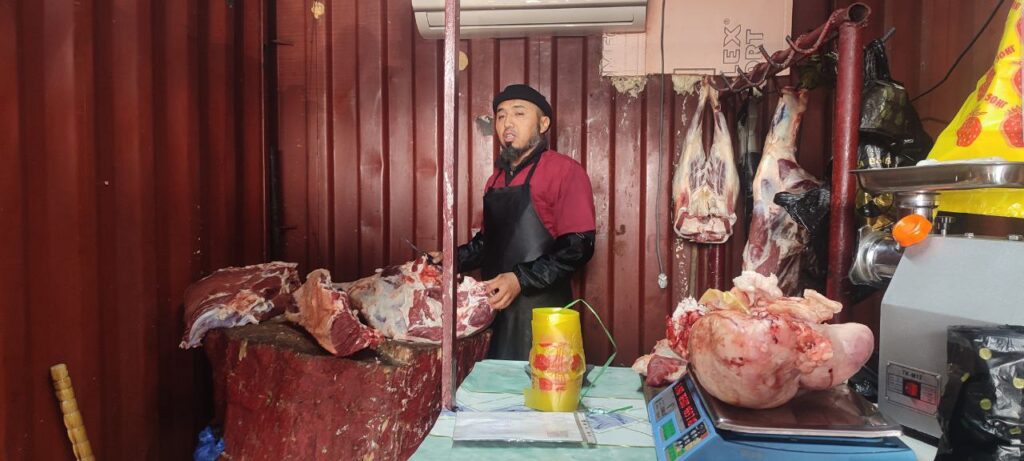
Temporary state regulation of meat prices has been in effect in Kyrgyzstan for several months. Inspectors fine sellers who exceed the permissible price caps. The first violation typically results in a warning. The Ministry of Economy and Commerce recently extended the regulation. The price controls were due to expire last week, but officials argue that without oversight, rising meat prices could trigger an increase in the cost of other goods and the broader consumer basket. In Bishkek, the government has set maximum retail prices at $7.50 per kilogram for lamb and $7.70 for beef. Price caps in the regions are slightly lower. According to sellers, rising prices are driven not by profit motives but by external pressures, prolonged drought, higher fuel prices, increased transportation costs, and a surge in meat exports, especially to Uzbekistan. “Meat is indeed becoming more expensive, mainly because it is being exported abroad. We need to provide for ourselves first. When we sell at state-set prices, it becomes unprofitable, we operate at a loss. We still have to pay rent, electricity, patent fees, security, and water,” said Mirlan Tursunaliyev, a meat seller in Bishkek, speaking to The Times of Central Asia. He added that vendors hope the price caps will be revised to better reflect their operational costs. Officials from the Antimonopoly Regulation Service note that some sellers are unwilling to comply with legal requirements such as submitting documents, updating price tags, or paying fines. In some cases, enforcement raids are carried out jointly with police. According to the agency, meat prices in Kyrgyzstan typically rise between May and September. Authorities expect demand to decline toward the end of the year, as is customary in winter. A seasonal drop in demand could also bring down production costs.

Kazakhstan’s Competition Agency Proposes Partial State Regulation of Coal Prices

Kazakhstan’s Agency for the Protection and Development of Competition has proposed introducing state regulation of coal prices, but only for coal sold to energy companies. The agency argues that the coal market for energy producers operates as a de facto monopoly. Over 70% of this segment is controlled by Bogatyr Komir LLP, based in Ekibastuz. According to the agency, the company has consistently raised prices over the past five years, with annual increases ranging from 5% to 21.5%. In 2023, antitrust authorities launched an investigation into Bogatyr Komir for allegedly setting monopolistically high prices. The company contested the probe, but on June 10, 2025, Kazakhstan’s Supreme Court upheld the legality of the investigation. Officials emphasized that thermal coal prices have a direct impact on electricity tariffs, accounting for up to 60% of the costs incurred by energy producers. Rising coal prices also drive up the cost of food and utilities. Despite electricity and heat tariffs being regulated at every stage of delivery, coal prices remain outside the scope of state control. “This leads to sharp price fluctuations and causes cash flow gaps for energy producers. Therefore, the agency initiated the introduction of state regulation of energy coal prices. This provision is included in the sixth package of amendments to the antitrust legislation, which is currently being considered by parliament,” the agency’s press service stated. Energy is the largest consumer of coal in Kazakhstan. In 2024, 59% of the 109.8 million tons of coal mined domestically was used within the country, while 29.5 million tons were exported. Coal powers approximately 66% of Kazakhstan’s electricity and 80% of its heat. While around 25 companies operate in the sector, 75% of production is concentrated among four major firms: Bogatyr Komir (with about 40% of market share), Euro-Asian Energy Corporation, Shubarkol Komir, and Karmet (formerly ArcelorMittal Temirtau). As previously reported by The Times of Central Asia, Kazakhstan’s coal reserves could last 200-300 years, depending on the rate of extraction.

Kyrgyz Authorities Take Action to Curb Rising Food Prices

Kyrgyzstan’s Deputy Prime Minister Bakyt Torobaev has directed key government agencies to implement urgent measures aimed at stabilizing prices for socially significant food products. According to official information, the government’s list of essential goods includes meat, vegetable oil, flour, potatoes, sugar, carrots, onions, and other staples, totaling 50 items. Torobaev’s directive includes enhanced monitoring of price fluctuations, tighter oversight of food imports and exports, and a focus on inflation risk mitigation. He has called for the development of short-term mechanisms to contain price increases. The Antimonopoly Regulation Service and the National Statistics Committee have been tasked with conducting daily price monitoring in major cities. The State Tax Service has been instructed to explore the possibility of reducing VAT on imported food products. In parallel, the National Bank of Kyrgyzstan is expected to design preferential loan mechanisms for agricultural producers and livestock breeders. Torobaev emphasized the urgency of these measures, noting that approximately 65% of the population derives income from agriculture, and that expanded state support is critical to economic stability. In Bishkek, the government plans to open municipal pavilions where essential food items will be sold at fixed prices. If successful, the model will be scaled to other regions as part of broader anti-crisis efforts. “The Cabinet of Ministers is continuously working on implementing and overseeing a unified pricing policy,” said Torobaev. According to the National Statistics Committee, Kyrgyzstan’s consumer price index rose by 4% in the first half of 2025. Food prices increased by an average of 6%, with potatoes showing the steepest rise, nearly 50%, during the same period.

Kyrgyzstan Introduces Meat Price Regulation Amid Export Surge

In response to rising domestic meat prices and increasing livestock exports, Kyrgyzstan has introduced state regulation of meat pricing. The directive was issued by Bakyt Torobaev, Minister of Water Resources, Agriculture, and Processing Industry. According to the minister, the state will now monitor meat prices, track livestock movements, and impose restrictions on meat exports to neighboring countries. Torobaev also instructed the Antimonopoly Regulation Service (ARS) to maintain continuous oversight of price trends and conduct market analysis across the country. Ministry specialists are expected to carry out inspections and engage with vendors to prevent unjustified price hikes. The Ministry of Agriculture stated that all relevant departments have been mobilized to implement the directive. Veterinary, livestock, and pasture authorities have been tasked with strengthening sanitary oversight of livestock transportation. These efforts will be coordinated with the Border Service to combat smuggling. Unregulated livestock exports, particularly of native Kyrgyz sheep breeds, have long been a concern for authorities. Strong demand from neighboring countries has created domestic supply shortages, contributing to annual price increases of approximately 10%. Uzbekistan remains the primary destination for Kyrgyz meat and livestock exports. In addition to meat products, Uzbekistan imports live sheep for breeding purposes. According to the National Statistical Committee, Kyrgyzstan exported 233,000 live goats and sheep valued at $23.5 million and 130,000 head of cattle worth $24.5 million to Uzbekistan in 2024. Some of this livestock is subsequently transported from Uzbekistan to Tajikistan. The new price regulation measures are part of broader government efforts to ensure national food security and stabilize prices in the domestic market.

Kyrgyz Authorities Seek to Classify Cement as Socially Significant

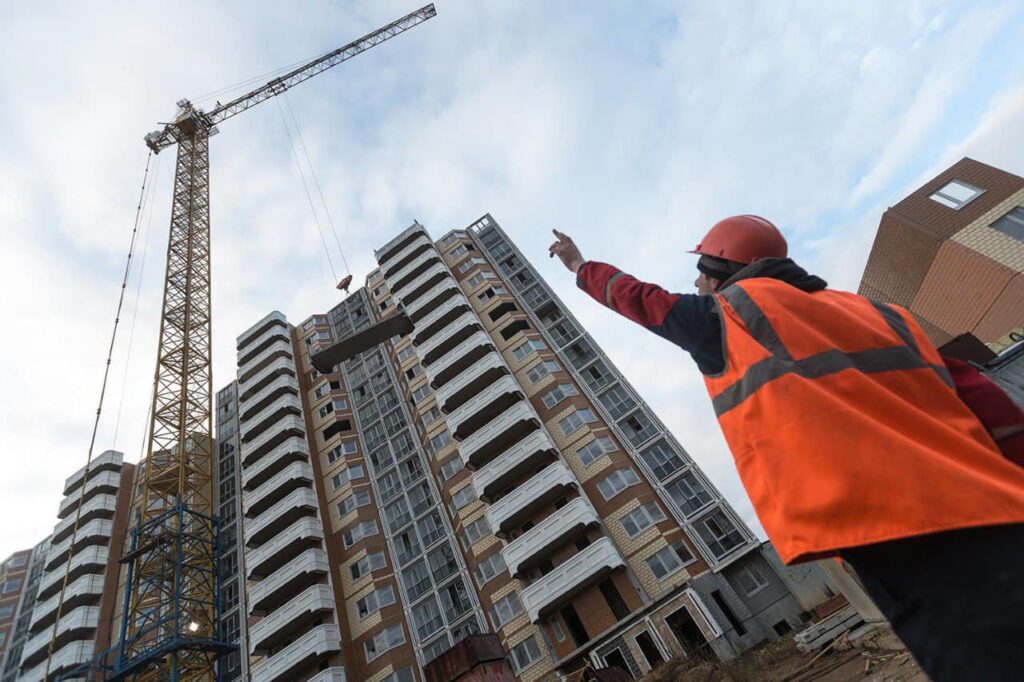
The Ministry of Economy and Commerce of the Kyrgyz Republic has released a justification for its decision to include cement on the list of socially significant goods, a designation that allows the government to regulate prices for essential items, including construction materials. According to the ministry, the absence of state oversight has led to unjustified increases in cement prices, placing upward pressure on housing costs and hindering the construction of social and infrastructure projects. “This situation limits the population's access to quality, affordable housing and slows the country’s socio-economic development,” the ministry stated. By classifying cement as a socially significant good, the government gains the authority to regulate its price. The move aims to stabilize the construction market, lower building costs, and improve housing affordability for the public. Officials at the ministry expressed confidence that the measure would not cause any significant negative consequences. The only potential downside, they noted, would be a reduction in profits for cement manufacturers and intermediaries, primarily in conditions of market volatility where price ceilings may be imposed. Kyrgyz economists support the move, arguing that state price regulation will help stabilize the domestic cement market, stimulate the construction industry, and improve the broader socio-economic outlook. They also believe it will bolster regulatory oversight of the construction sector. The ministry further warned that the lack of effective pricing mechanisms poses risks of shortages or sudden price spikes during periods of heightened demand. In contrast, stable cement prices would boost confidence among construction firms, enabling better planning and project implementation. To ease supply constraints, the Kyrgyz cabinet previously lifted a temporary ban on cement imports, aiming to satisfy a growing demand from construction companies and the general population through additional foreign supply.