• KGS/USD = 0.01144 0%
  • KZT/USD = 0.00191 -0%
  • TJS/USD = 0.10838 0.37%
  • UZS/USD = 0.00008 0%
  • TMT/USD = 0.28571 0.28%
  • KGS/USD = 0.01144 0%
  • KZT/USD = 0.00191 -0%
  • TJS/USD = 0.10838 0.37%
  • UZS/USD = 0.00008 0%
  • TMT/USD = 0.28571 0.28%
  • KGS/USD = 0.01144 0%
  • KZT/USD = 0.00191 -0%
  • TJS/USD = 0.10838 0.37%
  • UZS/USD = 0.00008 0%
  • TMT/USD = 0.28571 0.28%
  • KGS/USD = 0.01144 0%
  • KZT/USD = 0.00191 -0%
  • TJS/USD = 0.10838 0.37%
  • UZS/USD = 0.00008 0%
  • TMT/USD = 0.28571 0.28%
  • KGS/USD = 0.01144 0%
  • KZT/USD = 0.00191 -0%
  • TJS/USD = 0.10838 0.37%
  • UZS/USD = 0.00008 0%
  • TMT/USD = 0.28571 0.28%
  • KGS/USD = 0.01144 0%
  • KZT/USD = 0.00191 -0%
  • TJS/USD = 0.10838 0.37%
  • UZS/USD = 0.00008 0%
  • TMT/USD = 0.28571 0.28%
  • KGS/USD = 0.01144 0%
  • KZT/USD = 0.00191 -0%
  • TJS/USD = 0.10838 0.37%
  • UZS/USD = 0.00008 0%
  • TMT/USD = 0.28571 0.28%
  • KGS/USD = 0.01144 0%
  • KZT/USD = 0.00191 -0%
  • TJS/USD = 0.10838 0.37%
  • UZS/USD = 0.00008 0%
  • TMT/USD = 0.28571 0.28%
11 November 2025

Viewing results 1 - 6 of 3

Fatherless Tajik Children: The Social Consequences of Labor Migration

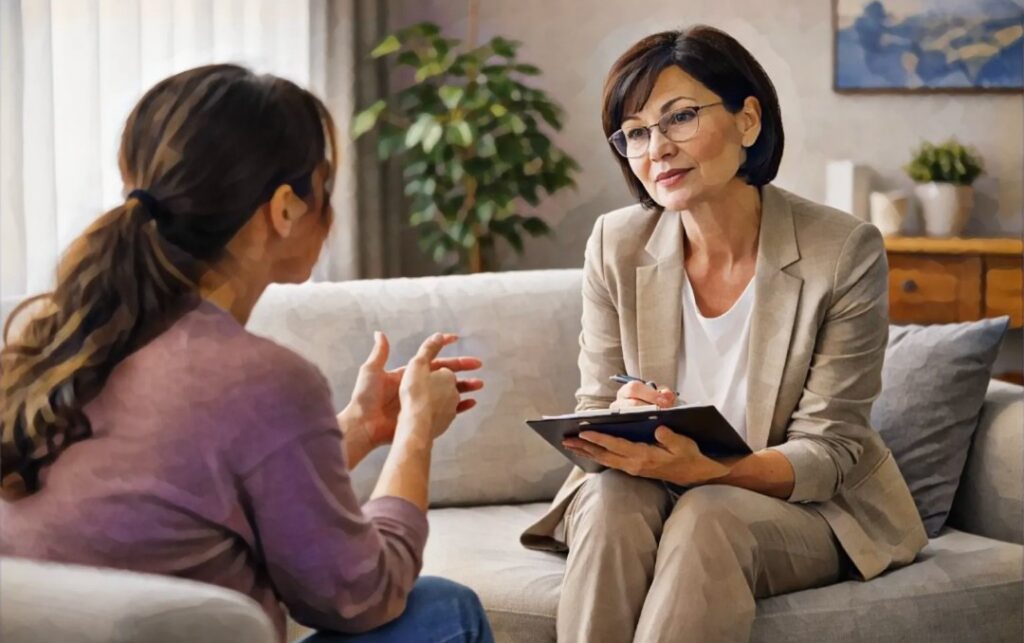
Labor migration has become a daily reality in Tajikistan, and a vital means of survival for many families. It is estimated that between 800,000 and 1 million citizens (up to 20% of the labor force) work abroad. Remittances make up a significant share of GDP, estimated between 27 % and nearly 50 %, with one measure at 45 % in 2024, helping families cover essential expenses such as food, education, and healthcare. However, this economic stability comes at a high social cost, which is often paid by the children left behind, many of whom grow up without adequate parental care. Shifting Roles: Mothers and Children Left Behind The prolonged absence of a father figure significantly alters family dynamics. Women, mothers, grandmothers, and often older children assume all household and caregiving responsibilities. Tasks traditionally viewed as “men’s work,” such as repairing windows, chopping wood, and cultivating land, are now undertaken by those remaining at home. Children are frequently forced to grow up early. Older siblings help raise younger ones, cook meals, and manage household chores while their mothers work. In some cases, these duties interfere with education. In rural areas, it is not uncommon for girls to leave school after the ninth grade to help sustain the household. Experts note that parental absence accelerates emotional and social maturity by placing an undue burden on children. Studies confirm this trend: around 15% of children aged 10 to 14 in migrant households are engaged in informal labor, working in markets or fields instead of attending school. As a result, many children are deprived of a full childhood and are compelled to act as “little adults,” shouldering family responsibilities. The issue is widespread. In Tajikistan, where labor migration is especially intense, up to 30% of school-age children are raised by grandparents or extended family members. Thousands grow up under the care of older siblings while both parents or, more commonly, fathers, are abroad. The Emotional Toll: Loneliness and Psychological Strain The long-term absence of fathers also takes a psychological toll. While phone and video calls offer some form of connection, they are no substitute for physical presence. Communication is often irregular: surveys show that 70% of children speak with their migrant parent less than once a week, and 15% only once a month. Feelings of abandonment and emotional detachment are widespread. One in three children of labor migrants reportedly exhibits signs of depression, including apathy, sadness, and a declining interest in school. Approximately 40% feel lonely and emotionally neglected. Teachers note lower academic performance and reduced motivation among these children. Moreover, the absence of paternal supervision can contribute to behavioral issues: up to 10% of adolescents from migrant families in Tajikistan display signs of deviant behavior, such as aggression and minor offenses, significantly higher than among their peers in two-parent households. Family relationships often suffer as well. Women left behind effectively become single parents, managing both emotional and material responsibilities. Years of separation, financial strain, and infrequent visits can lead to emotional distance between spouses. Observers note...

Uzbekistan to Fine Parents of Quadrobers

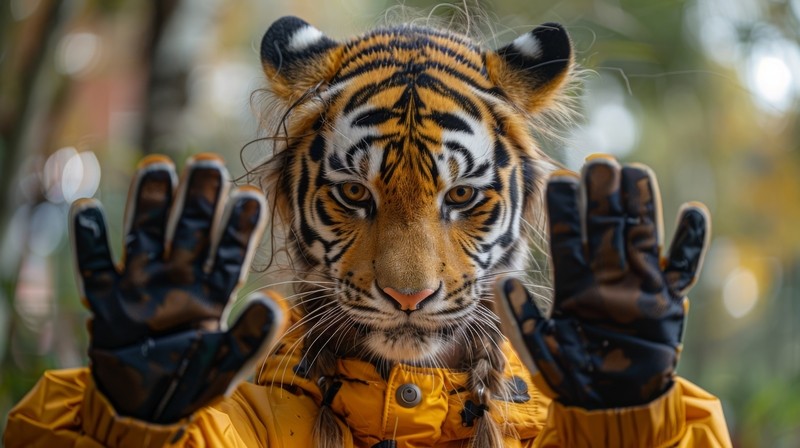
Parents in Uzbekistan have been threatened with fines for the inappropriate behavior of their children who belong to the quadrobika subculture. The Interior Ministry said failure to comply with parental duties will be punishable as parents are responsible for educating their children to respect social norms and preventing inappropriate behavior. The quadrobika subculture, which has emerged among young people, involves using masks and accessories to imitate animals and their habits. This movement has already been noticed in Kazakhstan, Russia, and Ukraine, and recently, cases of such behavior have been registered in Tashkent. On October 10, a teenager wearing an animal mask frightened people, and the next day, a quadrober imitating a dog attacked a person and frightened children. Specialists warn that such behavior can harm the mental health of minors, affect their social integration, and even lead to aggression. In this regard, the authorities are pressing home parents' legal obligations to ensure their children's upbringing and education under the Constitution and the Education Act of Uzbekistan. Violating these duties carries a fine of up to five times the basic calculation unit (up to 1.875 million UZS ($147). The Interior Ministry has urged parents to take care of their children's all-round development, reacting in time to the emergence of dangerous sub-cultural phenomena. If necessary, a psychological examination of children may be conducted to determine the impact of quadrobics on their emotional health. In Russia, the issue of administrative responsibility of parents who fail to oversee the upbringing of their children who are addicted to quadrobics has also been raised. The problem has not yet been resolved, a the request to the State Duma has been submitted calling for fines and criminal liability violations. In addition, Gennady Shkil, a priest of the Russian Orthodox Church, suggested in a sermon that mothers and fathers of quadrobers should be deprived of parental rights. Shkil believes that such “tough measures” are necessary as it is “for the salvation of mankind.”

The Power of Kindness: Psychologist Kamilla Turakhodjaeva Promotes the Value of Volunteering in Tashkent

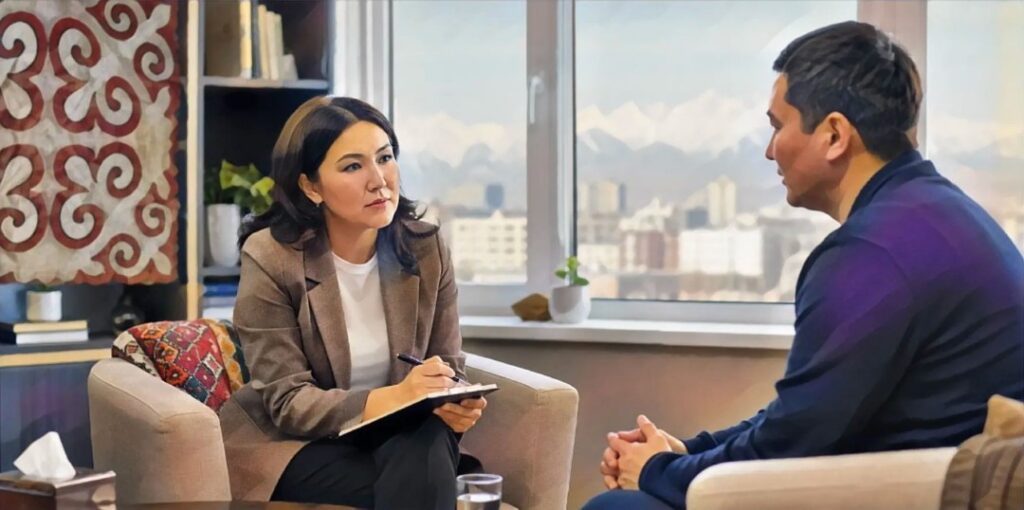
In an ever-challenging world, volunteering is becoming a powerful tool to help and support people facing difficulties. In Tashkent, the capital of Uzbekistan, this activity has become increasingly important, uniting people who care about making the world a better place. Kamilla Turakhodjaeva, a psychologist at the first children's hospice in Uzbekistan and head of the volunteer initiative, Power of Kindness, shares her experience of the challenges faced by volunteers, the qualities required for such work, and how the state supports their noble efforts.   TCA: How long have you been volunteering in Tashkent, and what prompted you to engage in this activity? Working as a psychologist at the first children's oncology hospice in Tashkent since it opened in August 2022, I have long been attracted to the activities of various hospices elsewhere and realized that volunteers play a key role in the life of such institutions. These people give their time and energy to make the patients' stay more comfortable and enjoyable. They provide a variety of recreational and educational activities, help celebrate holidays, and provide support to both the patients and their families. Thanks to volunteers, a hospice provides not only medical care, but also mental support and a place where patients can safely voice their concerns. However, because many of us are intimidated by words such as hospice and cancer, it is not always clear how best to support and communicate with people facing such difficult situations. The importance of good practice at a time when people are afraid and in need of attention spurred the organization of ‘Training in Hospice and Hospital Care.’ To date, four streams of volunteers who participated in the course have either stayed with the hospice or are offering their help to cancer hospitals and societies for people with disabilities. The course covers important topics including skills in communicating with patients, the organization of workshops and how volunteers can take care of themselves to avoid ‘burning out.’ "The Power of Good" came about by chance, out of a desire to help improve our country’s treatment of those less fortunate than ourselves. All volunteers engaged in this initiative have completed a training course and are ready to offer their support in a way that will harm neither themselves nor others.   TCA: What areas or issues in the community have you chosen to volunteer in, and why are they important to you? Our first task was offering help to medical facilities, but over time, we realized that we have the resources to help in other areas as well. We hold various educational workshops at the Millennium Society for people with disabilities. Many of the adult members are unfortunately, unable to secure official employment and earn a decent living. All the Millennium children are very talented and hardworking, and our task is to channel their abilities in the right direction. The girls knit toys, make jewelry and handmade soap, which we sell at Teplomarket fairs. Volunteers have now developed a course especially for them, aimed...