
• KGS/USD = 0.01144 0%
  • KZT/USD = 0.00208 0%
  • TJS/USD = 0.10482 0.48%
  • UZS/USD = 0.00008 0%
  • TMT/USD = 0.28490 0%
  • KGS/USD = 0.01144 0%
  • KZT/USD = 0.00208 0%
  • TJS/USD = 0.10482 0.48%
  • UZS/USD = 0.00008 0%
  • TMT/USD = 0.28490 0%
  • KGS/USD = 0.01144 0%
  • KZT/USD = 0.00208 0%
  • TJS/USD = 0.10482 0.48%
  • UZS/USD = 0.00008 0%
  • TMT/USD = 0.28490 0%
  • KGS/USD = 0.01144 0%
  • KZT/USD = 0.00208 0%
  • TJS/USD = 0.10482 0.48%
  • UZS/USD = 0.00008 0%
  • TMT/USD = 0.28490 0%
  • KGS/USD = 0.01144 0%
  • KZT/USD = 0.00208 0%
  • TJS/USD = 0.10482 0.48%
  • UZS/USD = 0.00008 0%
  • TMT/USD = 0.28490 0%
  • KGS/USD = 0.01144 0%
  • KZT/USD = 0.00208 0%
  • TJS/USD = 0.10482 0.48%
  • UZS/USD = 0.00008 0%
  • TMT/USD = 0.28490 0%
  • KGS/USD = 0.01144 0%
  • KZT/USD = 0.00208 0%
  • TJS/USD = 0.10482 0.48%
  • UZS/USD = 0.00008 0%
  • TMT/USD = 0.28490 0%
  • KGS/USD = 0.01144 0%
  • KZT/USD = 0.00208 0%
  • TJS/USD = 0.10482 0.48%
  • UZS/USD = 0.00008 0%
  • TMT/USD = 0.28490 0%

Viewing results 1 - 6 of 2

Uzbekistan Remembers Victims of Repression with Renewed Educational Focus

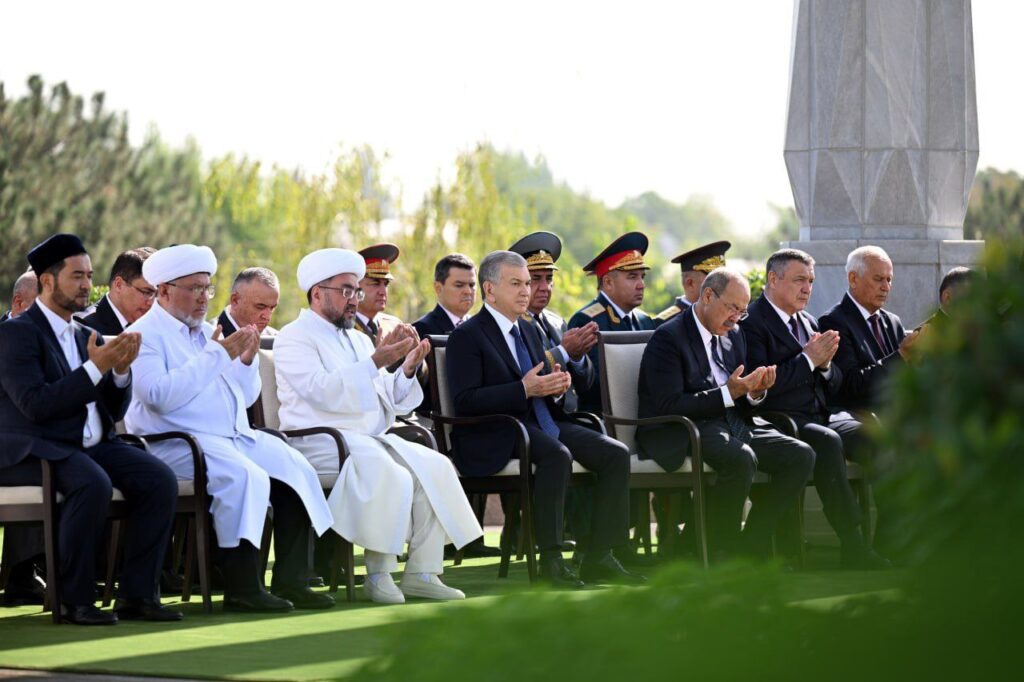
On August 29, a solemn ceremony was held at the Shahidlar Xotirasi alley in Tashkent to commemorate the Day of Remembrance for Victims of Repression, an annual event observed on the eve of Uzbekistan’s Independence Day. The event honored the memory of over 100,000 innocent citizens who suffered during waves of political repression. Thousands were executed on fabricated charges, while many others were exiled, leaving deep scars on families and communities. In recent years, Uzbekistan has taken steps to more fully acknowledge and document this painful history. More than 1,200 names of victims have recently been rehabilitated. The Museum of the Memory of Victims of Repression has been expanded with thousands of newly added archival documents, and regional museums dedicated to the memory of the repressed are being established across the country. A major development this year is the establishment of the State Museum of Jadid Heritage in Bukhara. The opening coincides with the 150th anniversary of Mahmudkhoja Behbudi, a key figure in the Jadid movement, an early 20th-century reformist movement that sought to modernize Muslim society through education, journalism, and national consciousness. Leaders of the Jadid movement, including Behbudi, Fitrat, Avloni, and Chulpon, were pioneers in opening secular schools, publishing newspapers, and founding institutions such as the Turkestan People’s University, now the National University of Uzbekistan. Nearly all of them fell victim to Stalin’s purges in the 1930s, and their works were banned for decades. Students from Turkestan who studied in Germany in the 1920s also became targets of repression. President Shavkat Mirziyoyev has commented: “If those young men had returned, they could have transformed society. It is important that our youth know and take pride in such examples.” Under Soviet rule, it was long taboo to acknowledge that a site near the Bozsu Canal in central Tashkent concealed a mass grave of intellectuals executed during Stalin’s purges. At the initiative of previous leader Islam Karimov, a memorial complex and museum were established on the site, and August 31 was officially designated as the Day of Remembrance. The Shahidlar Xotirasi Memorial, inaugurated on May 12, 2000, near the Tashkent TV tower, includes a park, a museum, and a rotunda featuring a symbolic jade tombstone inscribed in Arabic, English, and Uzbek: “The memory of those who died for their country will live forever.” Mirziyoyev has called for greater educational integration, through school curricula, media programming, and youth competitions. “Every year on the eve of Independence Day, we offer prayers in memory of our ancestors who gave their lives for freedom,” he said. “Their courage and sacrifice will always serve as an example for us.”

UN Backs Earthquake Victims Day, Highlighting Uzbekistan’s Seismic History

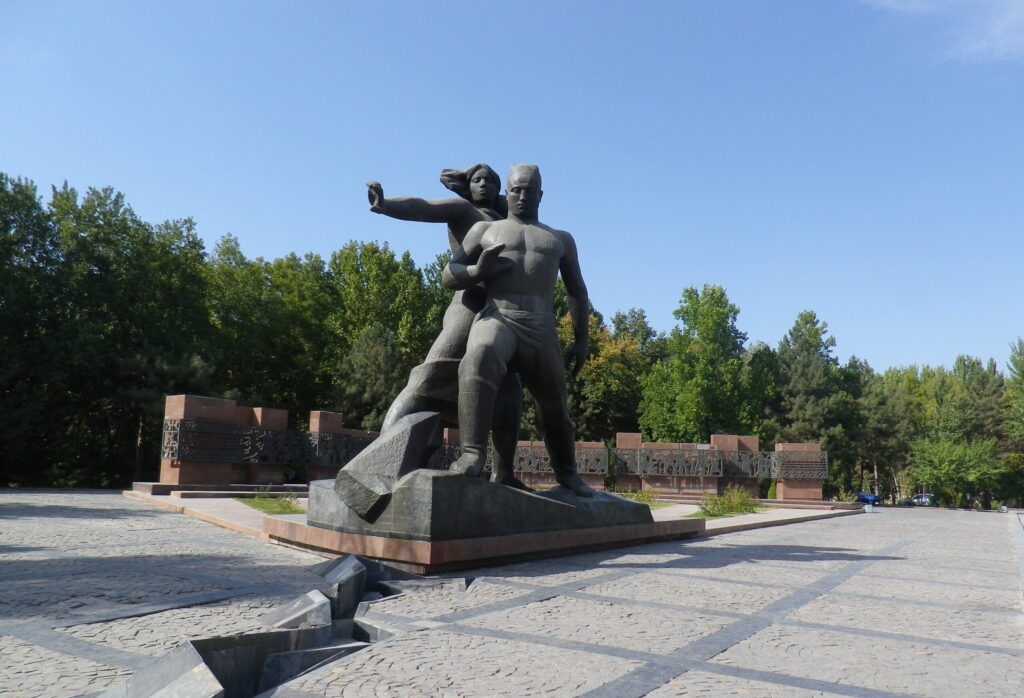
On April 29, the United Nations General Assembly officially declared a new international observance — the International Day in Memory of the Victims of Earthquakes. The initiative, jointly proposed by Chile, the Philippines, and Uzbekistan, received widespread support from UN member states. The day will be commemorated annually to honor the victims of past earthquakes and raise awareness about seismic risks and disaster preparedness. Earthquakes remain among the deadliest natural disasters in human history, responsible for massive destruction and loss of life. Most recently, on March 28, a powerful earthquake in Myanmar claimed more than 3,700 lives. In Turkey and Syria, millions are still recovering from the devastating earthquakes of 2023, which killed over 55,000 people. Uzbekistan’s Permanent Representative to the United Nations, Ulugbek Lapasov, stated that the declaration is not only a tribute to victims but also a global call to action. “We thank all member states who supported the resolution, as well as the United Nations Office for Disaster Risk Reduction for their help,” he stated. Uzbekistan has itself experienced devastating earthquakes. One of the most significant occurred in the early morning of April 26, 1966, when a powerful earthquake struck the capital city of Tashkent. The disaster left 300,000 people homeless and caused severe damage to homes, schools, hospitals, and factories. Eight people were killed, and about 150 were injured. Important documents and photographs from the 1966 disaster are preserved in the Central State Archive of Tashkent. Located in a seismically active region, Tashkent has a long history of earthquakes. Historical sources, including the writings of 19th-century historian Muhammad Solih, document earlier seismic events, such as the destructive earthquake of April 1866, which caused widespread damage to mosques and homes and many deaths. The city’s history of resilience lives on today. Many of Tashkent’s buildings, decorated with colorful mosaics, were built during the post-earthquake reconstruction.