
• KZT/USD = 0.00214
  • TJS/USD = 0.10800
  • UZS/USD = 0.00008
  • TMT/USD = 0.29760
  • KZT/USD = 0.00214
  • TJS/USD = 0.10800
  • UZS/USD = 0.00008
  • TMT/USD = 0.29760
  • KZT/USD = 0.00214
  • TJS/USD = 0.10800
  • UZS/USD = 0.00008
  • TMT/USD = 0.29760
  • KZT/USD = 0.00214
  • TJS/USD = 0.10800
  • UZS/USD = 0.00008
  • TMT/USD = 0.29760
  • KZT/USD = 0.00214
  • TJS/USD = 0.10800
  • UZS/USD = 0.00008
  • TMT/USD = 0.29760
  • KZT/USD = 0.00214
  • TJS/USD = 0.10800
  • UZS/USD = 0.00008
  • TMT/USD = 0.29760
  • KZT/USD = 0.00214
  • TJS/USD = 0.10800
  • UZS/USD = 0.00008
  • TMT/USD = 0.29760
  • KZT/USD = 0.00214
  • TJS/USD = 0.10800
  • UZS/USD = 0.00008
  • TMT/USD = 0.29760
14 August 2026

Viewing results 1 - 6 of 2

Tajikistan Frees Two Journalists as Press Freedom Concerns Persist

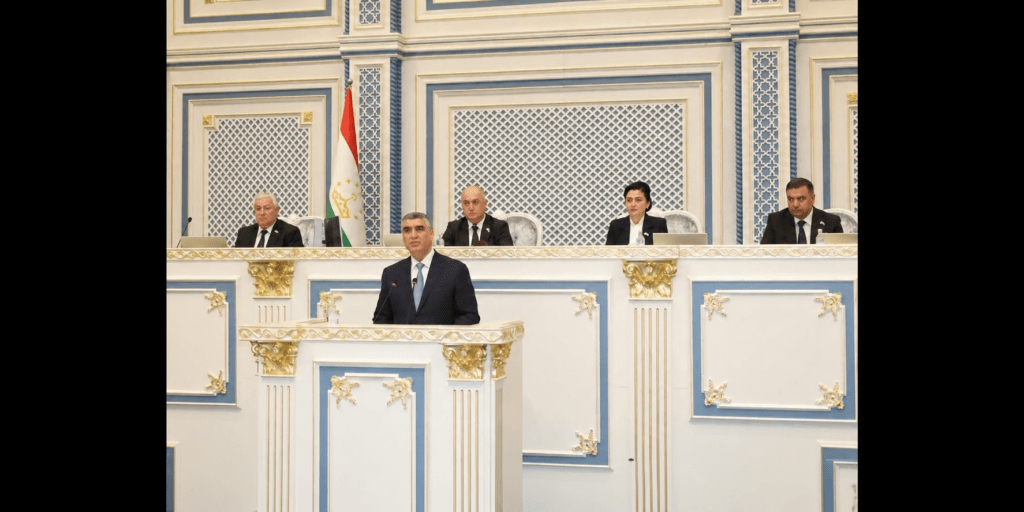
An international media rights group has welcomed the release from prison of two journalists in Tajikistan, while urging the government to free others who remain in jail. Reporters Without Borders, or RSF, said Zavkibek Saidamini and Abdusattor Pirmukhammadzoda were freed on July 18 after four years in detention. “They should never have been jailed, just like their colleagues, who must also be released,” RSF said. The two journalists were sentenced to seven years in prison in 2022 after being convicted of links to groups labeled as extremist, and were released under an amnesty law that was passed by Tajikistan’s parliament and signed by President Emomali Rahmon in June. Under the new law, thousands of people became eligible for early release or a reduction in the length of their prison sentence. Saidamini and Pirmukhammadzoda, who had denied the charges against them, spoke about their experience in jail as well as their thoughts for the future in an interview with Asia-Plus, a news agency based in Tajikistan. Saidamini, 43, said he had been suffering spine and leg problems in jail but hoped to return to journalism, working as a freelancer if state television channels are willing to hire him. “In the past, we tried to speak about shortcomings,” Saidamini told Asia-Plus. “Our only aim was to help resolve problems in one state institution or another.” Pirmukhammadzoda, who worked for many years at state radio, didn’t say whether he planned to return to journalism. In Facebook posts in 2022, he was critical of the government and the prosecution of journalists. Tajik journalists who are still in jail include Abdullo Ghurbati, Khurshed Fozilov, Rukhshona Hakimova, and Ahmad Ibrohim, according to Asia-Plus. Blogger Daler Imomali is also in detention. In April, the Committee to Protect Journalists submitted a report on what it called a significant deterioration in media freedom in Tajikistan to the United Nations Human Rights Council. It said that since 2022, nine journalists had been sentenced to jail terms of up to 20 years. In announcing the amnesty law, Tajikistan’s presidency said it “allows persons who have committed crimes to be rehabilitated, return to their families and relatives, and engage in constructive work.”

Turkmenistan Ranks 173rd in Global Press Freedom Index

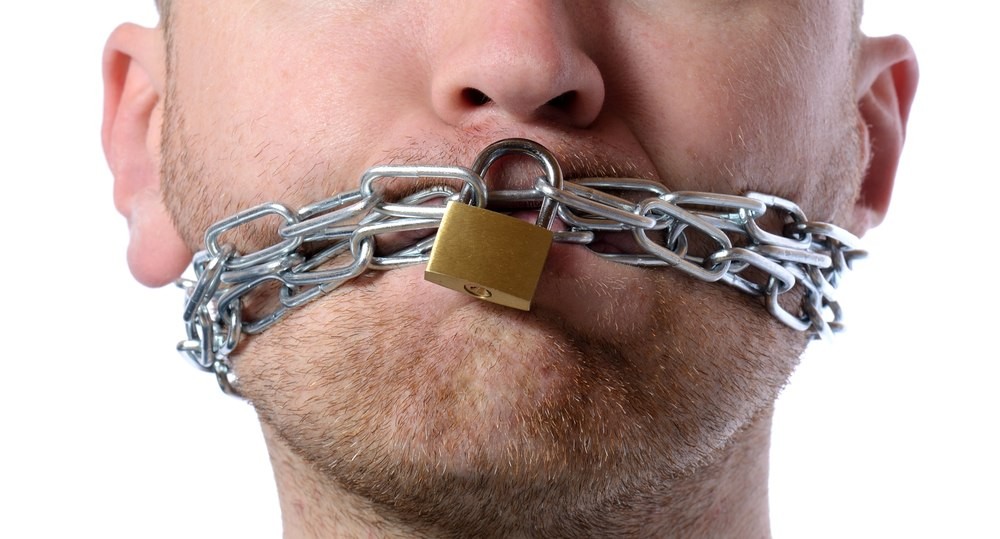
Turkmenistan ranked 173rd out of 180 countries in the 2026 World Press Freedom Index, a slight improvement from 174th place in 2025. According to the report compiled by Reporters Without Borders (commonly known by its French acronym, RSF), the highest-ranked country in Central Asia was Kyrgyzstan in 146th place, followed by Uzbekistan (147th), Kazakhstan (149th), and Tajikistan (155th). Russia ranked 172nd, just one position above Turkmenistan. The authors note that Eastern Europe and Central Asia remain the second-worst-performing regions globally in the 2026 index. “The region is increasingly resembling a vast laboratory of inverted values, where legality is artificial and primarily serves the interests of those in power rather than protecting the right to information,” the report states. In Kazakhstan, RSF says tightening legal frameworks are combined with indirect pressure, increasing online harassment, and a climate of impunity. Kyrgyzstan, meanwhile, is following a similar trend, with declining legal protections for journalists. Among the lowest-ranked countries are Belarus, Azerbaijan, Russia, and Turkmenistan, all of which scored particularly poorly in the legal category, with ratings ranging from 22 to 32 out of 100. More broadly, the report highlights a global decline in press freedom. “For the first time in the history of the index, conditions in more than half of all countries are classified as ‘difficult’ or ‘very serious.’ Over 25 years of observation, the global average has never been this low,” the authors note. According to RSF, the introduction of laws restricting press freedom, often justified by national security concerns, has contributed to a steady deterioration in media conditions since 2001, affecting not only authoritarian states but also democracies. “The legal indicator saw the sharpest decline this year, reflecting the growing number of legal proceedings against journalists and media outlets,” the report concludes.