
• KGS/USD = 0.01144 0%
  • KZT/USD = 0.00216 0%
  • TJS/USD = 0.10663 0%
  • UZS/USD = 0.00008 0%
  • TMT/USD = 0.28530 0%
  • KGS/USD = 0.01144 0%
  • KZT/USD = 0.00216 0%
  • TJS/USD = 0.10663 0%
  • UZS/USD = 0.00008 0%
  • TMT/USD = 0.28530 0%
  • KGS/USD = 0.01144 0%
  • KZT/USD = 0.00216 0%
  • TJS/USD = 0.10663 0%
  • UZS/USD = 0.00008 0%
  • TMT/USD = 0.28530 0%
  • KGS/USD = 0.01144 0%
  • KZT/USD = 0.00216 0%
  • TJS/USD = 0.10663 0%
  • UZS/USD = 0.00008 0%
  • TMT/USD = 0.28530 0%
  • KGS/USD = 0.01144 0%
  • KZT/USD = 0.00216 0%
  • TJS/USD = 0.10663 0%
  • UZS/USD = 0.00008 0%
  • TMT/USD = 0.28530 0%
  • KGS/USD = 0.01144 0%
  • KZT/USD = 0.00216 0%
  • TJS/USD = 0.10663 0%
  • UZS/USD = 0.00008 0%
  • TMT/USD = 0.28530 0%
  • KGS/USD = 0.01144 0%
  • KZT/USD = 0.00216 0%
  • TJS/USD = 0.10663 0%
  • UZS/USD = 0.00008 0%
  • TMT/USD = 0.28530 0%
  • KGS/USD = 0.01144 0%
  • KZT/USD = 0.00216 0%
  • TJS/USD = 0.10663 0%
  • UZS/USD = 0.00008 0%
  • TMT/USD = 0.28530 0%

Viewing results 1 - 6 of 2

Kazakhstan’s Vast Coal Reserves Could Fuel Energy Needs for Centuries

Kazakhstan’s coal reserves are expected to last between 200 and 300 years, depending on the rate of extraction, according to an analytical study by the Caspian Commodity Exchange. The study notes that Kazakhstan ranks among the world’s top ten countries for proven coal reserves, estimated at 25 to 33 billion tons, and eighth in terms of production. In 2023, the country produced 112.7 million tons of coal, followed by 109.8 million tons in 2024. Exports for those years totaled 31.9 million tons and 29.5 million tons, respectively. At current production rates, reserves could last for 300 years; if output increases, they would last at least 200 years. About 25 companies operate in Kazakhstan’s coal sector, with 75% of production concentrated among four major players: Bogatyr Komir LLP (about 40% of the market), Euro-Asian Energy Corporation (EEC), Shubarkol Komir JSC, and Qarmet (formerly ArcelorMittal Temirtau JSC). Domestic consumption accounts for 72% of coal use, with the remainder exported, mainly to Russia, which takes about two-thirds of supplies. In 2023, Kazakhstan ranked among the top five coal suppliers to the EU, holding an 8.7% market share, according to the European Commission. The power sector is the largest domestic consumer, using 59% of coal, followed by households (8%) and industry (5%). Coal makes up roughly 50% of the country’s primary energy consumption. In 2023, thermal power plants generated 77.4% of Kazakhstan’s electricity, with coal-fired plants providing 66% of that output. Coal is also the primary source of heat, covering 80% of demand. In Astana, coal-fired combined heat and power plants (CHPs) account for 97% of heat generation, while in Almaty the figure is 56%. Coal combustion is responsible for about 70% of Kazakhstan’s greenhouse gas emissions, creating a challenge for the government’s target of achieving carbon neutrality by 2060. Nonetheless, analysts forecast that coal will remain a key energy source in the medium term, accounting for 46% of the energy balance in 2035, down from 66% in 2023. Coal-based power generation is expected to decline by just 9% over that period. Long-term projections point to a more significant decline in coal’s share, driven by the expansion of renewable energy, which is forecast to account for 24.4% of electricity generation by 2035 and 50% by 2050. Another factor will be the commissioning of Kazakhstan’s first nuclear power plant, construction of which began last week, which will partially replace coal generation in the domestic market.

Kyrgyzstan’s Gold Reserves Could Last a Century, Says Top Geologist

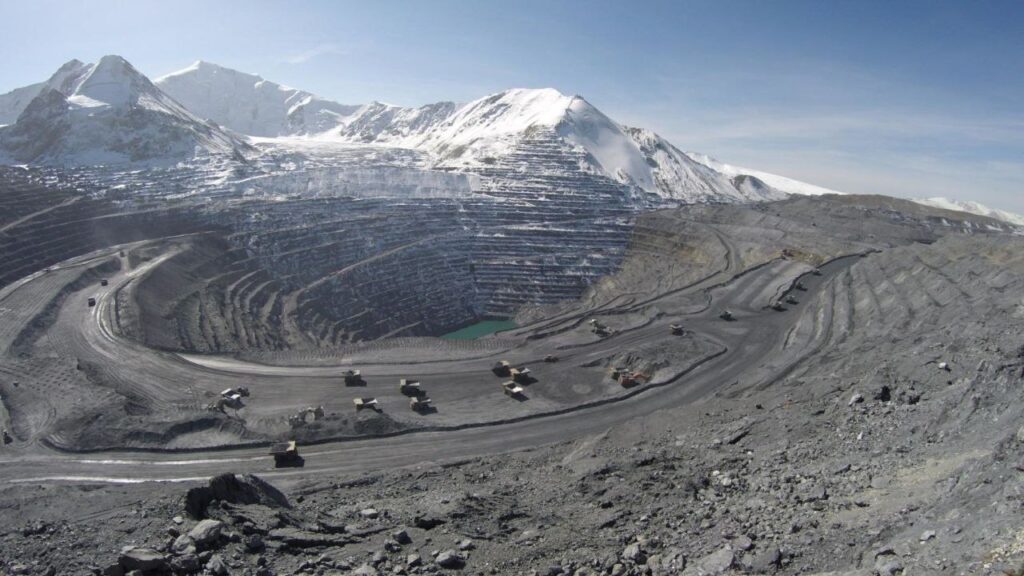
Kyrgyzstan’s largest gold mining operation, Kumtor Gold Company, has identified an additional 147 tons of gold through recent geological exploration. These reserves have now been officially added to the balance sheet of the state-run enterprise, reinforcing expert forecasts that gold extraction in the country can continue for decades to come. The announcement was made by Minister of Natural Resources Meder Mashiev during a press briefing in Bishkek. Mashiev noted that previously unexploited reserves at Kumtor, a key contributor to the national budget, were estimated at 127 tons. Following the new exploration, total reserves now stand at 261 tons. Kumtor Gold Company was nationalized in 2022 after Canadian firm Centerra Gold withdrew from the project. At the time, industry experts predicted the mine would cease operations by 2027 due to depleted reserves at the main open pit. The prospect of investing in new infrastructure at adjacent sites was deemed economically unfeasible. This view was partly supported by production data: in 2015, ore yielded about 5 grams of gold per ton; today, it yields less than one gram. Local experts, however, have described this decline as temporary. According to official figures, Kumtor produced 17.3 tons of gold in 2022, 13.5 tons in 2023, and was projected to produce 12.2 tons in 2024, numbers not seen since 2012, when output fell below 10 tons. Back then, the company cited falling global gold prices and the limited viability of high-volume production. Under the 2022 agreement with Centerra Gold, the Kyrgyz Cabinet of Ministers assumed full management of the Kumtor mine. The Canadian company also agreed to pay over $60 million for environmental protection and transferred control of a $53 million reclamation fund to the Kyrgyz side. In return, it was released from future mine reclamation obligations. In an interview with The Times of Central Asia, Rozalia Djenchuraeva, a geologist at the National Academy of Sciences, stated that with proper management, Kumtor could continue producing gold for another hundred years. “Gold is not running out. There’s still a substantial amount at Kumtor. In the 1980s and 1990s, we recalculated potential reserves in the area and identified over a thousand tons,” Djenchuraeva said. “The entire strip where Kumtor is located is gold-bearing. It stretches along the mountains beneath glaciers, and we have enough gold to last a century. The key is to avoid harming nature.” She emphasized that much of the remaining gold lies beneath glaciers, making extraction without environmental damage particularly challenging. “The high-altitude ecosystem is very sensitive to human interference,” she said. Nonetheless, Djenchuraeva believes that modern exploration and mining technologies offer a path forward. “If we proceed responsibly and with care, gold extraction can continue for many years to come,” she concluded.