
• KGS/USD = 0.01143 0%
  • KZT/USD = 0.00207 0%
  • TJS/USD = 0.10465 0.1%
  • UZS/USD = 0.00008 0%
  • TMT/USD = 0.28571 0.28%
  • KGS/USD = 0.01143 0%
  • KZT/USD = 0.00207 0%
  • TJS/USD = 0.10465 0.1%
  • UZS/USD = 0.00008 0%
  • TMT/USD = 0.28571 0.28%
  • KGS/USD = 0.01143 0%
  • KZT/USD = 0.00207 0%
  • TJS/USD = 0.10465 0.1%
  • UZS/USD = 0.00008 0%
  • TMT/USD = 0.28571 0.28%
  • KGS/USD = 0.01143 0%
  • KZT/USD = 0.00207 0%
  • TJS/USD = 0.10465 0.1%
  • UZS/USD = 0.00008 0%
  • TMT/USD = 0.28571 0.28%
  • KGS/USD = 0.01143 0%
  • KZT/USD = 0.00207 0%
  • TJS/USD = 0.10465 0.1%
  • UZS/USD = 0.00008 0%
  • TMT/USD = 0.28571 0.28%
  • KGS/USD = 0.01143 0%
  • KZT/USD = 0.00207 0%
  • TJS/USD = 0.10465 0.1%
  • UZS/USD = 0.00008 0%
  • TMT/USD = 0.28571 0.28%
  • KGS/USD = 0.01143 0%
  • KZT/USD = 0.00207 0%
  • TJS/USD = 0.10465 0.1%
  • UZS/USD = 0.00008 0%
  • TMT/USD = 0.28571 0.28%
  • KGS/USD = 0.01143 0%
  • KZT/USD = 0.00207 0%
  • TJS/USD = 0.10465 0.1%
  • UZS/USD = 0.00008 0%
  • TMT/USD = 0.28571 0.28%

Viewing results 1 - 6 of 4

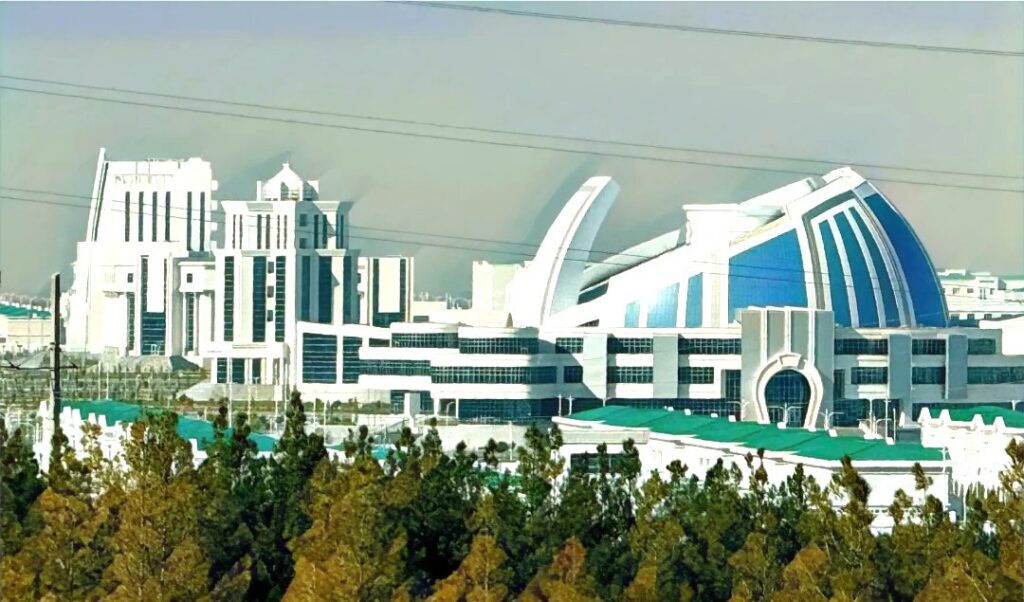
Turkmen Arkadag Without “Unnecessary” People: Crackdown on Residents Without Jobs or Registration Intensifies

The “smart” city of Arkadag, developed at the initiative of Turkmenistan’s National Leader Gurbanguly Berdimuhamedov, has once again become the focus of a campaign to “clean up” its population, according to Turkmen.news. Local officials are reportedly conducting apartment inspections to identify residents who do not hold official employment in the city. Inspectors are said to be focusing on three main criteria: possession of a local residence permit, confirmed employment in Arkadag, and the degree of kinship with the property owner. The legal basis for these inspections remains unclear, but reports indicate that authorities are taking a strict approach, requiring individuals who do not meet the criteria to vacate their accommodation immediately. According to informal rules described by sources, a “proper” resident of Arkadag must be employed and registered at their actual place of residence. Only immediate family members, spouses, children, and parents are permitted to live together. Brothers, sisters, and more distant relatives residing in the same apartment may face eviction. A local source stated that even individuals officially employed in Arkadag but registered in another region may face restrictions. For example, a person who has secured employment in the city but is temporarily staying with a sibling could be required to return to their place of permanent registration and commute daily. The same restrictions reportedly apply to students. Those enrolled at the International Academy of Horse Breeding and vocational institutions are permitted to reside only in dormitories and may not live with relatives, including close family members. Legally renting accommodation in Arkadag is described as virtually impossible. Property owners are not issued permits authorizing them to lease apartments, resulting in an informal rental market. As a consequence, renters cannot obtain temporary registration, and no tax payments are made on rental income. This situation leaves newcomers in what sources describe as a legal vacuum: they may be able to secure employment but lack lawful housing options. Formally, purchasing an apartment is presented as the only pathway to full residency in the city. Individuals employed in Arkadag may qualify for a mortgage, but strict conditions apply. Authorities reportedly verify that applicants do not hold permanent registration elsewhere. An initial down payment of 10% of the property value, estimated at approximately $2,000-$3,000, is required. In addition, sources allege that intermediaries demand unofficial payments ranging from $2,000 to $4,000 to facilitate mortgage approval. Similar practices have been reported in Ashgabat in recent years. As previously reported by The Times of Central Asia, ahead of the 30th anniversary of Turkmenistan’s neutrality, inspections targeting visitors from other regions intensified in the capital. Witness accounts at the time described interrogations at checkpoints, alleged physical abuse, and raids at locations where day laborers gather. Developments in Arkadag suggest that comparable internal migration controls may now be taking shape in the newly built city. Arkadag was conceived as a symbol of modernity and national pride; the reported controls suggest it is also emerging as a laboratory for managing who is permitted to belong.


Kazakhstan Issues First Residence Permit Under Digital Nomad Residency Program

Kazakhstan has issued its first residence permit under the newly launched Digital Nomad Residency program, a key component of the country’s strategy to attract global talent in digital technologies and artificial intelligence. The Ministry of Digital Development, Innovation, and Aerospace Industry announced that the inaugural 10-year residence permit was granted to Pavel Filatov, a Senior Analytics & BI Engineer. According to the ministry, the program simplifies the process for qualified foreign specialists to obtain permanent residency. Since its launch in January 2025, over 270 applications have been submitted by professionals from more than 20 countries, including the United States, Canada, France, Turkey, and several post-Soviet states. Most applicants work in fields such as programming, cybersecurity, UI/UX design, and DevOps. “The Digital Nomad Residency program provides a truly rare opportunity to combine comfortable living conditions with a dynamically developing technology ecosystem,” Filatov said. “The entire process was convenient and modern. For IT specialists around the world, this program really opens up new horizons. Kazakhstan has huge potential for professional growth and international cooperation, and it is a great honor for me to become the first holder of this residency.” The residency program builds upon Kazakhstan’s Digital Nomad Visa, introduced earlier this year along with two other new visa categories: the Neo Nomad Visa and the Residence Visa. Together, these initiatives form part of a broader government effort to attract skilled professionals, entrepreneurs, and foreign investors. The Digital Nomad Visa offers long-term stay options for freelancers, entrepreneurs, IT specialists, and startup founders. The Neo Nomad Visa targets remote workers who travel while working, requiring proof of at least $3,000 in monthly income, valid health insurance, and a clean criminal record. The Residence Visa is aimed at foreign professionals in medicine, science, innovation, education, and the creative industries, allowing stays of up to 90 days. The ministry confirmed that the first Digital Nomad Visas, issued without income requirements, have already been granted to IT professionals from Algeria and Botswana. Visa holders are permitted to work with both foreign and Kazakh companies and may apply for residency during the visa’s validity period. At the same time, Kazakhstan has taken additional steps to attract long-term foreign investment. As The Times of Central Asia previously reported, new regulations allow foreign nationals who invest at least $300,000 into Kazakh companies or securities listed on local exchanges to apply electronically for an investor visa. This so-called “golden visa” offers a residence permit valid for up to 10 years and is part of Kazakhstan’s plan to build itself into a regional hub for business and innovation.