

• KGS/USD = 0.01144 0%
  • KZT/USD = 0.00203 0%
  • TJS/USD = 0.10647 -0.09%
  • UZS/USD = 0.00008 0%
  • TMT/USD = 0.28490 0%
  • KGS/USD = 0.01144 0%
  • KZT/USD = 0.00203 0%
  • TJS/USD = 0.10647 -0.09%
  • UZS/USD = 0.00008 0%
  • TMT/USD = 0.28490 0%
  • KGS/USD = 0.01144 0%
  • KZT/USD = 0.00203 0%
  • TJS/USD = 0.10647 -0.09%
  • UZS/USD = 0.00008 0%
  • TMT/USD = 0.28490 0%
  • KGS/USD = 0.01144 0%
  • KZT/USD = 0.00203 0%
  • TJS/USD = 0.10647 -0.09%
  • UZS/USD = 0.00008 0%
  • TMT/USD = 0.28490 0%
  • KGS/USD = 0.01144 0%
  • KZT/USD = 0.00203 0%
  • TJS/USD = 0.10647 -0.09%
  • UZS/USD = 0.00008 0%
  • TMT/USD = 0.28490 0%
  • KGS/USD = 0.01144 0%
  • KZT/USD = 0.00203 0%
  • TJS/USD = 0.10647 -0.09%
  • UZS/USD = 0.00008 0%
  • TMT/USD = 0.28490 0%
  • KGS/USD = 0.01144 0%
  • KZT/USD = 0.00203 0%
  • TJS/USD = 0.10647 -0.09%
  • UZS/USD = 0.00008 0%
  • TMT/USD = 0.28490 0%
  • KGS/USD = 0.01144 0%
  • KZT/USD = 0.00203 0%
  • TJS/USD = 0.10647 -0.09%
  • UZS/USD = 0.00008 0%
  • TMT/USD = 0.28490 0%
11 February 2026

Viewing results 1 - 6 of 4

Kyrgyzstan’s Revolutions Since Independence: Three Uprisings That Remade the State

Since gaining independence in 1991, Kyrgyzstan has experienced three major uprisings that removed presidents and reset the political system. The events in 2005, 2010, and 2020 did not follow one script, but shared familiar triggers: disputed elections, corruption, rising living costs, and a belief that the state had been captured by a narrow circle. Kyrgyzstan began its post-Soviet life with a reputation for relative openness. Askar Akayev initially presented himself as a reform-minded leader, but by the early 2000s, public frustration had grown over perceived corruption and patronage. Political competition increasingly revolved around money, influence networks, and regional loyalties. Weak institutions made leadership transitions risky, and street politics became a recurring instrument of change. The 2005 Tulip Revolution: The Akayev Era Ends The first upheaval occurred in spring 2005, following parliamentary elections widely criticized by international observers. The OSCE/ODIHR final report on the February–March 2005 parliamentary elections documented serious irregularities that undermined confidence in the vote: Protests began in the south and spread to Bishkek. On March 24, 2005, Akayev fled the country as demonstrators seized key government buildings. His resignation was later formalized from abroad. Radio Free Europe/Radio Liberty reported on April 4, 2005, that Akayev had signed a resignation agreement intended to stabilize the situation and pave the way for new elections. Kurmanbek Bakiyev emerged as interim leader and later won the July 2005 presidential election. The OSCE/ODIHR assessment of that vote noted improvements compared with the parliamentary elections but highlighted continuing structural weaknesses. The 2010 April Revolution: Bakiyev Overthrown By 2010, public anger was focused on rising utility prices and the concentration of power around Bakiyev’s family. The International Crisis Group’s report Kyrgyzstan: A Hollow Regime Collapses detailed how economic grievances and corruption helped spark a violent uprising. On April 7, 2010, clashes between protesters and security forces in Bishkek left dozens dead and injured, with the official death toll later revised to 99. Bakiyev fled the country, and a referendum later that year shifted Kyrgyzstan toward a parliamentary system designed to reduce presidential dominance. The transition produced a more plural political environment, though corruption and instability persisted. In June 2010, interethnic violence in southern Kyrgyzstan, particularly around Osh, caused significant loss of life and displacement, deepening divisions and reshaping the political climate. The 2020 Upheaval: Election Protests and Rapid Power Shift Kyrgyzstan’s third major uprising followed disputed parliamentary elections on October 4, 2020, when allegations of vote buying triggered mass protests. The Central Election Commission annulled the results, plunging the country into a political crisis. President Sooronbay Jeenbekov resigned on October 15, 2020, with Reuters reporting that “newly sprung from jail,” Sadyr Japarov had consolidated power amid the turmoil. The OSCE/ODIHR assessment of the January 2021 presidential election and constitutional referendum noted that the vote occurred against the backdrop of political upheaval following the annulled parliamentary elections. Japarov won the presidency in January 2021, and a new constitution entered into force in May 2021, strengthening presidential powers and reshaping the political system. Why Revolutions Keep Happening...

Just Another Reported Assassination Attempt in Kyrgyzstan

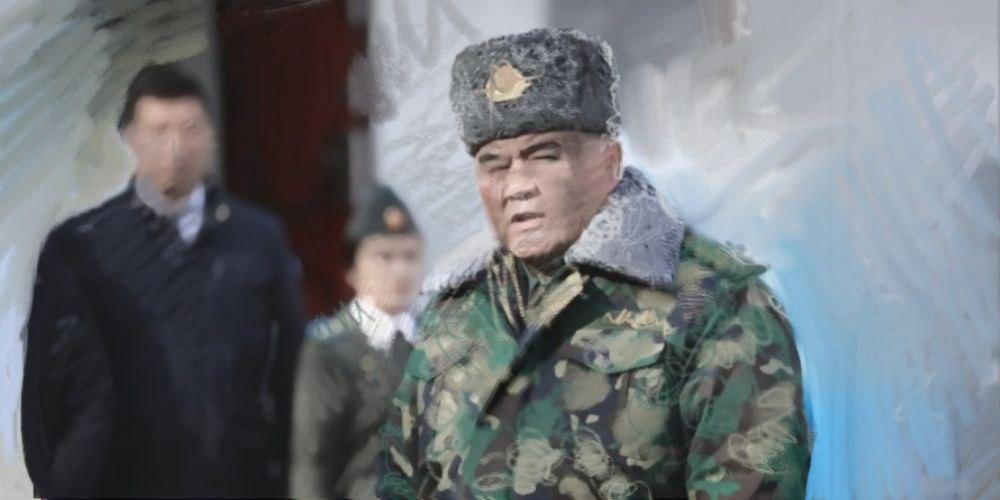
The head of Kyrgyzstan’s State National Security Committee (GKNB), Kamchybek Tashiyev, says someone was plotting to kill him, and it is not the first time, and it is not only Tashiyev people want to assassinate. On November 20, Tashiyev said he received an anonymous letter with a flash drive that contained a death threat. Tashiyev also remarked that already “5-6 assassination attempts were prepared against me,” and “GKNB officers prevented two attempts on the life of President Sadyr Japarov.” Normally this would be amazing, even chilling news. However, Japarov and Tashiyev have been uncovering so many plots, some rather dubious, to overthrow the government since they bulldozed their way to power in late 2020 that it is difficult to gauge the seriousness of these assassination claims. According to the GKNB, by November 25, those responsible for this most recent threat were already apprehended. Surveillance cameras outside a GKNB station in Bishkek recorded the person who dropped off the letter with the threat. He turned out to be a homeless man who delivered the letter after a person identified only by his initials “Zh. A. S.” offered him food in exchange for dropping off the letter. Zh. A. S.  was identified as a former Kyrgyz military pilot who served in the CIS peacekeeping force guarding Tajikistan’s border with Afghanistan in the mid-1990s. The suspect was convicted twice. It was not mentioned for which crimes, but the GKNB did say he had been plotting “for a long time” to kill Tashiyev. A report from Kyrgyzstan’s KNEWS media outlet included a curious comment attributed to the GKNB that the suspect was connected to “intelligence services of foreign states and destructive forces, pursuing interests in destabilizing the socio-political situation in the Kyrgyz Republic…“   The Mafia Since 2023, Japarov’s government has been waging the fiercest campaign in Kyrgyzstan’s history against organized crime, and Tashiyev and the GKNB have been leading this battle. Tashiyev alluded to this in his November 20 comments. “When I started fighting organized crime groups and others, I knew that such threats would exist,” Tashiyev said, adding, “I knew they would put pressure on me to give up the fight.” Certainly, the campaign against organized crime has made the government, and Tashiyev specifically, some powerful enemies. Raimbek “Millions” Matraimov amassed a fortune when he was deputy chairman of Kyrgyzstan’s Customs Service from 2015-2017, and even then, people knew he was an organized crime leader. He was so powerful that when Sadyr Japarov was catapulted from a prison cell into the president’s office when unrest broke out in Kyrgyzstan in October 2020, there were suspicions that Matraimov’s wealth and clout backed this meteoric ascent.If that is true, Matraimov misjudged Japarov. In early October 2023, the GKNB killed Kamchybek Asanbek, alias Kamchy Kolbayev, alias Kolya Kyrgyz, while trying to arrest him at a Bishkek restaurant. Kolbayev was believed to be the top kingpin of the organized criminal world in Kyrgyzstan. Matraimov fled Kyrgyzstan shortly after that. Kyrgyz authorities started confiscating Matraimov’s assets in...