
• KGS/USD = 0.01144 0%
  • KZT/USD = 0.00198 -0%
  • TJS/USD = 0.10903 0.18%
  • UZS/USD = 0.00008 0%
  • TMT/USD = 0.28571 0%
  • KGS/USD = 0.01144 0%
  • KZT/USD = 0.00198 -0%
  • TJS/USD = 0.10903 0.18%
  • UZS/USD = 0.00008 0%
  • TMT/USD = 0.28571 0%
  • KGS/USD = 0.01144 0%
  • KZT/USD = 0.00198 -0%
  • TJS/USD = 0.10903 0.18%
  • UZS/USD = 0.00008 0%
  • TMT/USD = 0.28571 0%
  • KGS/USD = 0.01144 0%
  • KZT/USD = 0.00198 -0%
  • TJS/USD = 0.10903 0.18%
  • UZS/USD = 0.00008 0%
  • TMT/USD = 0.28571 0%
  • KGS/USD = 0.01144 0%
  • KZT/USD = 0.00198 -0%
  • TJS/USD = 0.10903 0.18%
  • UZS/USD = 0.00008 0%
  • TMT/USD = 0.28571 0%
  • KGS/USD = 0.01144 0%
  • KZT/USD = 0.00198 -0%
  • TJS/USD = 0.10903 0.18%
  • UZS/USD = 0.00008 0%
  • TMT/USD = 0.28571 0%
  • KGS/USD = 0.01144 0%
  • KZT/USD = 0.00198 -0%
  • TJS/USD = 0.10903 0.18%
  • UZS/USD = 0.00008 0%
  • TMT/USD = 0.28571 0%
  • KGS/USD = 0.01144 0%
  • KZT/USD = 0.00198 -0%
  • TJS/USD = 0.10903 0.18%
  • UZS/USD = 0.00008 0%
  • TMT/USD = 0.28571 0%
05 December 2025

Viewing results 1 - 6 of 4

Kazakhstan’s Ecology Ministry Says Saiga Population May Surpass Five Million in 2026

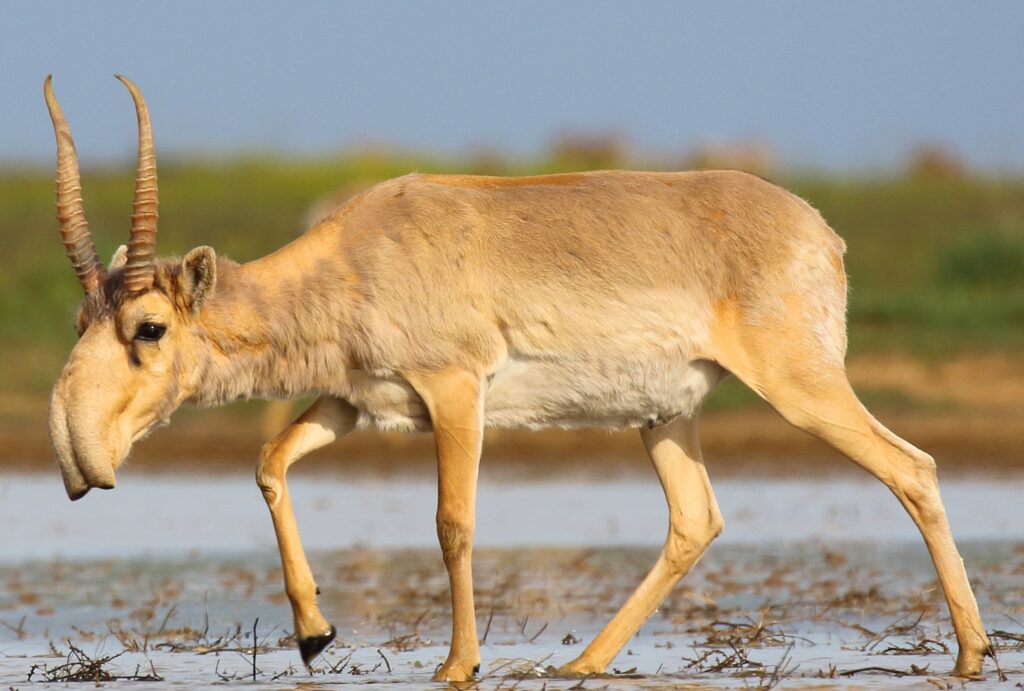
Kazakhstan's saiga antelope population, a key indicator of steppe ecosystem health and a globally vulnerable species, has reached unprecedented levels. According to the Ministry of Ecology and Natural Resources, the population now numbers approximately four million. Following the 2026 calving season, that figure could rise to nearly five million, cementing Kazakhstan’s role as the primary global habitat for the species. At a recent meeting on sustainable saiga population management, Minister of Ecology Yerlan Nyssanbayev highlighted the dramatic recovery of the species. In 2005, the population had dwindled to fewer than 40,000. Thanks to a nationwide hunting ban, increased protection measures, and targeted monitoring programs, Kazakhstan has achieved one of the most notable wildlife conservation success stories in recent history. However, the rapid rebound has brought new challenges. Ecologists warn that rising saiga densities are increasing competition with agricultural activities and contributing to pasture degradation. In response, the government has begun implementing controlled population management strategies. Between July 1 and November 30, 2025, around 196,000 saigas were culled, with carcasses processed by domestic enterprises. “The work was carried out in strict accordance with scientific recommendations,” Nyssanbayev stated. A separate concern is the trade in saiga derivatives, particularly male horns, which are in high demand in traditional Eastern medicine. According to the ministry, all horns are marked and securely stored by the Okhotzooprom State Enterprise. A digital traceability system, developed in partnership with Kazakhtelecom JSC, is currently being piloted to ensure full transparency in horn origin tracking. This technology, supported at the CITES International Conference, is under consideration as a mechanism for potentially easing current restrictions on derivative exports. First Deputy Prime Minister Roman Sklyar has instructed the Ministry of Ecology and other relevant agencies to finalize regulatory frameworks for labeling and circulation of saiga products, and to develop comprehensive measures for managing the growing population in 2026. The dramatic saiga recovery has also drawn international attention. As previously reported by The Times of Central Asia, Kazakhstan has agreed to transfer 1,500 saiga antelopes to China in 2026 to support efforts to reintroduce the species beyond its historical range in Central Asia.


Wildlife Boom Pits Nature Against Farmers in Kazakhstan

Last year, Kazakhstan experienced the worst flooding the area had seen in some 80 years. Reservoirs and creeks that had been dry for decades were suddenly filled. This year, winter was mild, and spring arrived early, creating ideal conditions for an explosion of fauna. The Saiga The unique-looking saiga antelope has roamed the vast steppe of the area that is now Kazakhstan for millennia. About 25 years ago, there were concerns the animal, which usually numbered in the millions, was headed toward extinction. Widespread poaching started after independence in late 1991, and by 2005 there were less than 40,000 saiga left in the country. A ban on hunting saiga helped boost the population to some 250,000 by the mid-2010s, but then bacteria spread through the herds, greatly reducing their numbers again. Renewed efforts to increase the saiga population proved successful, however, perhaps too successful. By 2021 their number had risen to some 842,000, and by the summer of 2022, there were more than 1.3 million saiga antelope in Kazakhstan. Officials were warning back in 2022 that the saiga were competing with farmers’ herds for pastureland. Kazakhstan’s then-Ecology Minister Serikkali Brekeshev noted at the time that the growth rate was worrying as the saiga population was only some 110,000 in 2016. Brekeshev suggested a cull of 80,000 of the antelope was necessary. However, Kazakhstan was receiving a lot of international praise for bringing the saiga off the endangered list. President Kassym-Jomart Tokayev reprimanded Brekeshev and ordered the ecology minister to find another way to deal with the problem. Limited culling of saiga was allowed starting in October 2023 but was again banned in February 2024. The saiga population was back in the news at the end of May this year. Kazakhstan’s Mazhilis, the lower house of parliament, discussed the issue on May 27. Deputy Ecology Minister Nurken Sharbiyev told a Mazhilis’ committee on agriculture that the saiga population continued to proliferate, numbering some 2.8 million in 2024 and now totaling nearly 4 million. Herd owners in West Kazakhstan Province say the saiga are taking over pastureland in at least seven districts. There are also concerns that the saiga are mixing with cows and sheep in the fields and infected saiga might be spreading diseases among the herders’ animals. Farmers in Akmola Province have formed groups to try to chase the saiga from agricultural fields but with mixed success. Locals complain that the large herds block roads and linger even when drivers honk their horns. Smaller creatures than the Saiga are also thriving due to the favorable weather conditions. The Usual Suspects The combination of abundant water and warm weather has proven efficacious to the spread of some insects. Locusts are a perennial threat to crops across Central Asia. This year, in some parts of Kazakhstan, they are spreading so quickly that the authorities are having difficulties combating them. Farmers in Aktobe Province say equipment for battling locusts has been breaking down and the pesticides being used are not producing the desired...