• KGS/USD = 0.01144 0%
  • KZT/USD = 0.00215 0%
  • TJS/USD = 0.10696 0.09%
  • UZS/USD = 0.00008 0%
  • TMT/USD = 0.28490 0%
  • KGS/USD = 0.01144 0%
  • KZT/USD = 0.00215 0%
  • TJS/USD = 0.10696 0.09%
  • UZS/USD = 0.00008 0%
  • TMT/USD = 0.28490 0%
  • KGS/USD = 0.01144 0%
  • KZT/USD = 0.00215 0%
  • TJS/USD = 0.10696 0.09%
  • UZS/USD = 0.00008 0%
  • TMT/USD = 0.28490 0%
  • KGS/USD = 0.01144 0%
  • KZT/USD = 0.00215 0%
  • TJS/USD = 0.10696 0.09%
  • UZS/USD = 0.00008 0%
  • TMT/USD = 0.28490 0%
  • KGS/USD = 0.01144 0%
  • KZT/USD = 0.00215 0%
  • TJS/USD = 0.10696 0.09%
  • UZS/USD = 0.00008 0%
  • TMT/USD = 0.28490 0%
  • KGS/USD = 0.01144 0%
  • KZT/USD = 0.00215 0%
  • TJS/USD = 0.10696 0.09%
  • UZS/USD = 0.00008 0%
  • TMT/USD = 0.28490 0%
  • KGS/USD = 0.01144 0%
  • KZT/USD = 0.00215 0%
  • TJS/USD = 0.10696 0.09%
  • UZS/USD = 0.00008 0%
  • TMT/USD = 0.28490 0%
  • KGS/USD = 0.01144 0%
  • KZT/USD = 0.00215 0%
  • TJS/USD = 0.10696 0.09%
  • UZS/USD = 0.00008 0%
  • TMT/USD = 0.28490 0%

Viewing results 1 - 6 of 10

Kazakhstan Plans First Legal Saiga Horn Exports

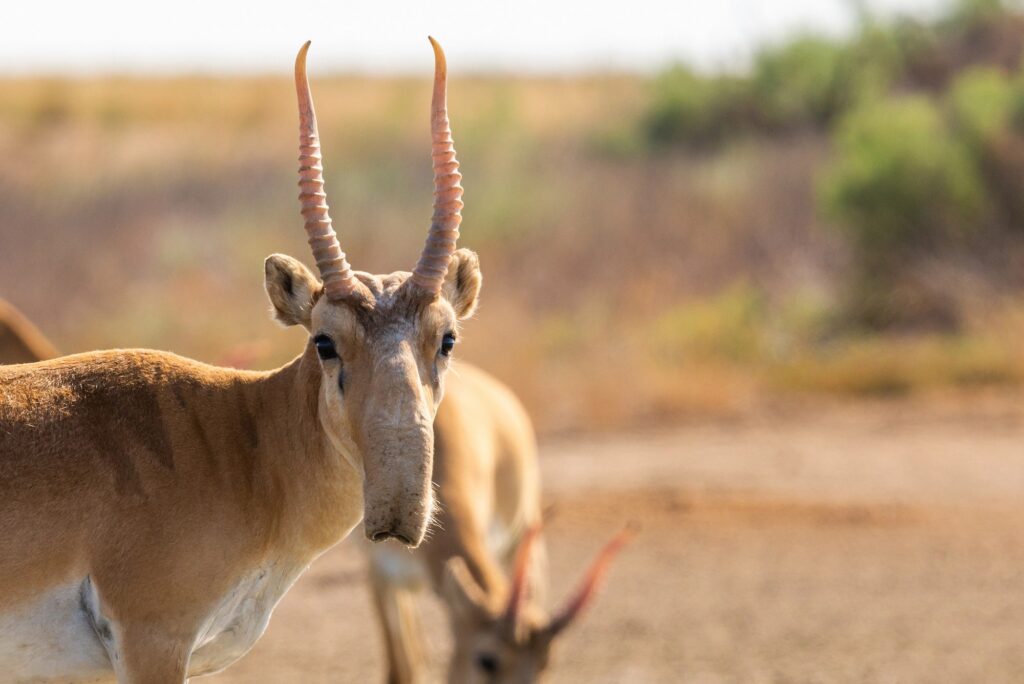
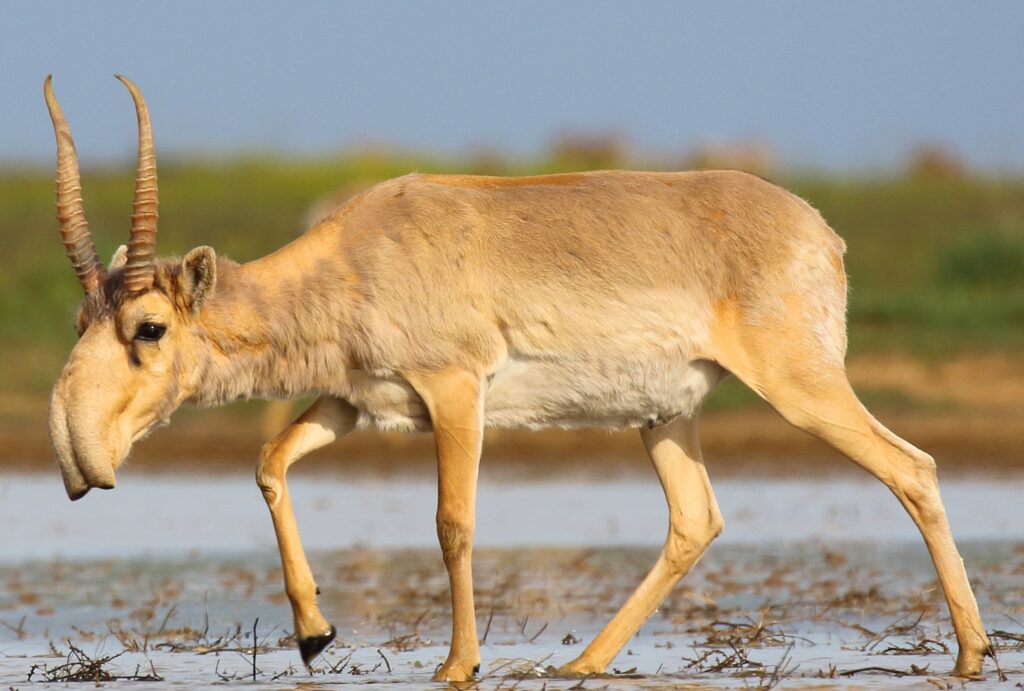
In 2026, Kazakhstan plans to begin officially exporting the horns of saiga antelopes for the first time in its history. The initial shipment is expected to total 20 tons, potentially generating tens of millions of dollars on Asian markets. The decision appears both logical and controversial. On one hand, the state has an opportunity to recover part of the funds spent on protecting the species. On the other, legalising trade could stimulate demand and once again make the saiga antelope a target for poachers. From the Brink of Extinction to a “Problem Species” In the early 2000s, the situation was critical. By 2003, only about 21,000 saigas remained in Kazakhstan. The animals were widely poached for their horns, which were sold on Asian markets. The government responded with strict measures, including a hunting ban, enhanced protection, and the establishment of specialised agencies such as Okhotzooprom, responsible for safeguarding rare and endangered wildlife. Even after 2015, when more than 200,000 animals died from pasteurellosis, conservation programs continued. The results were striking. By 2025, the saiga population had surpassed 2 million. However, this conservation success has created new challenges. Large herds have increasingly damaged agricultural land, trampling pastures and destroying crops. Farmers in affected regions have called for urgent intervention and compensation. Stockpiles and Potential Revenue In response, authorities introduced population control measures, including limited culling. At the same time, antlers accumulated in storage facilities both from legally culled animals and those seized from poachers. Today, around 20 tons of saiga horns are reportedly stored in warehouses. Maintaining these stockpiles entails budgetary costs. With black market prices reaching up to $3,000 per kilogram, the theoretical value of the reserves could approach $60 million. In practice, officials expect lower but still substantial revenue. The main buyers are expected to be in Asia, particularly China, where saiga horns are used in traditional medicine. To enter international markets, Kazakhstan must comply with the strict requirements of the Convention on International Trade in Endangered Species of Wild Fauna and Flora (CITES). This includes demonstrating that trade does not threaten the species’ survival, and ensuring full traceability of the product’s origin. Without such verification, exports will not be permitted. Why Horns Are Being Exported At first glance, domestic processing of saiga horns into pharmaceutical products might appear more profitable. In reality, this option faces significant obstacles. Scientific evidence does not show that there are any medicinal properties in saiga horns, which consist primarily of keratin, similar to human hair and nails. In addition, the traditional medicine market is highly conservative, with consumers placing greater trust in established local brands. Buyers also tend to prefer whole horns, as powdered products are easier to counterfeit. Furthermore, the saiga population remains vulnerable to disease outbreaks, which could undermine long-term investment in processing facilities. Environmental, social, and governance (ESG) considerations further limit investor interest in industries linked to wildlife exploitation. Risks of Legalisation The main concern is that legalising trade could unintentionally strengthen illegal markets. Once a product becomes legal, it...

Kazakhstan to Permit Limited Saiga Horn Exports Under Strict Controls

Kazakhstan plans to begin limited and strictly regulated exports of saiga antelope horns, according to the Ministry of Ecology and Natural Resources, as reported by Nege.Aqsha. Minister of Ecology Yerlan Nysanbayev emphasized that unrestricted trade is not under consideration. He stated that exports will be allowed only under rigorous regulation, with restrictions on both volume and export mechanisms. A three-year quota system is expected to be implemented. A critical condition for authorizing exports is the establishment of a traceability system. Kazakhstan aims to integrate its national tracking database with China’s, enabling the monitoring of saiga horn derivatives from the point of harvest to final processing. Nysanbayev noted that this system has been under development since 2023. All harvested saiga horns are currently microchipped and individually registered to minimize the risk of illegal trafficking. The legal basis for these potential exports stems from a decision at the 20th Conference of the Parties to the Convention on International Trade in Endangered Species of Wild Fauna and Flora (CITES), held in Samarkand from November 24 to December 5. While this decision does not trigger automatic exports, it provides Kazakhstan with a legal framework to manage regulated trade in accordance with international agreements. Simultaneously, the Ministry of Ecology has finalized a national roadmap for managing the saiga population. As of May 2025, Deputy Minister of Ecology Nurken Shabiev confirmed the roadmap's completion, although the accompanying biological justification was still under preparation. “As many as they are ready to process will be seized to prevent a repeat of last year's experience, when there was damage in some places,” a ministry spokesperson said. Between July and November 2025, approximately 196,000 saigas were culled in Kazakhstan, with the carcasses transferred to local processing facilities. Kazakhstan is home to three main saiga populations, Betpakdala, Ural, and Ustyurt which together account for more than 90% of the global saiga population. As of March 2025, the total population in Kazakhstan stood at 4.1 million, a dramatic increase from the historical high of 1.2 million during the Kazakh SSR period. The saiga antelope has been listed as critically endangered by the International Union for Conservation of Nature since 2002. A nationwide moratorium on hunting and trade in saiga parts remained in effect until 2024. However, the sharp population increase led authorities to transition from a blanket ban to a model of regulated harvesting. The renewed interest in saiga horn exports is also driven by persistent demand in traditional Chinese medicine, where the antlers are highly valued.

Kazakhstan’s Ecology Ministry Says Saiga Population May Surpass Five Million in 2026

Kazakhstan's saiga antelope population, a key indicator of steppe ecosystem health and a globally vulnerable species, has reached unprecedented levels. According to the Ministry of Ecology and Natural Resources, the population now numbers approximately four million. Following the 2026 calving season, that figure could rise to nearly five million, cementing Kazakhstan’s role as the primary global habitat for the species. At a recent meeting on sustainable saiga population management, Minister of Ecology Yerlan Nyssanbayev highlighted the dramatic recovery of the species. In 2005, the population had dwindled to fewer than 40,000. Thanks to a nationwide hunting ban, increased protection measures, and targeted monitoring programs, Kazakhstan has achieved one of the most notable wildlife conservation success stories in recent history. However, the rapid rebound has brought new challenges. Ecologists warn that rising saiga densities are increasing competition with agricultural activities and contributing to pasture degradation. In response, the government has begun implementing controlled population management strategies. Between July 1 and November 30, 2025, around 196,000 saigas were culled, with carcasses processed by domestic enterprises. “The work was carried out in strict accordance with scientific recommendations,” Nyssanbayev stated. A separate concern is the trade in saiga derivatives, particularly male horns, which are in high demand in traditional Eastern medicine. According to the ministry, all horns are marked and securely stored by the Okhotzooprom State Enterprise. A digital traceability system, developed in partnership with Kazakhtelecom JSC, is currently being piloted to ensure full transparency in horn origin tracking. This technology, supported at the CITES International Conference, is under consideration as a mechanism for potentially easing current restrictions on derivative exports. First Deputy Prime Minister Roman Sklyar has instructed the Ministry of Ecology and other relevant agencies to finalize regulatory frameworks for labeling and circulation of saiga products, and to develop comprehensive measures for managing the growing population in 2026. The dramatic saiga recovery has also drawn international attention. As previously reported by The Times of Central Asia, Kazakhstan has agreed to transfer 1,500 saiga antelopes to China in 2026 to support efforts to reintroduce the species beyond its historical range in Central Asia.

Wildlife Boom Pits Nature Against Farmers in Kazakhstan

Last year, Kazakhstan experienced the worst flooding the area had seen in some 80 years. Reservoirs and creeks that had been dry for decades were suddenly filled. This year, winter was mild, and spring arrived early, creating ideal conditions for an explosion of fauna. The Saiga The unique-looking saiga antelope has roamed the vast steppe of the area that is now Kazakhstan for millennia. About 25 years ago, there were concerns the animal, which usually numbered in the millions, was headed toward extinction. Widespread poaching started after independence in late 1991, and by 2005 there were less than 40,000 saiga left in the country. A ban on hunting saiga helped boost the population to some 250,000 by the mid-2010s, but then bacteria spread through the herds, greatly reducing their numbers again. Renewed efforts to increase the saiga population proved successful, however, perhaps too successful. By 2021 their number had risen to some 842,000, and by the summer of 2022, there were more than 1.3 million saiga antelope in Kazakhstan. Officials were warning back in 2022 that the saiga were competing with farmers’ herds for pastureland. Kazakhstan’s then-Ecology Minister Serikkali Brekeshev noted at the time that the growth rate was worrying as the saiga population was only some 110,000 in 2016. Brekeshev suggested a cull of 80,000 of the antelope was necessary. However, Kazakhstan was receiving a lot of international praise for bringing the saiga off the endangered list. President Kassym-Jomart Tokayev reprimanded Brekeshev and ordered the ecology minister to find another way to deal with the problem. Limited culling of saiga was allowed starting in October 2023 but was again banned in February 2024. The saiga population was back in the news at the end of May this year. Kazakhstan’s Mazhilis, the lower house of parliament, discussed the issue on May 27. Deputy Ecology Minister Nurken Sharbiyev told a Mazhilis’ committee on agriculture that the saiga population continued to proliferate, numbering some 2.8 million in 2024 and now totaling nearly 4 million. Herd owners in West Kazakhstan Province say the saiga are taking over pastureland in at least seven districts. There are also concerns that the saiga are mixing with cows and sheep in the fields and infected saiga might be spreading diseases among the herders’ animals. Farmers in Akmola Province have formed groups to try to chase the saiga from agricultural fields but with mixed success. Locals complain that the large herds block roads and linger even when drivers honk their horns. Smaller creatures than the Saiga are also thriving due to the favorable weather conditions. The Usual Suspects The combination of abundant water and warm weather has proven efficacious to the spread of some insects. Locusts are a perennial threat to crops across Central Asia. This year, in some parts of Kazakhstan, they are spreading so quickly that the authorities are having difficulties combating them. Farmers in Aktobe Province say equipment for battling locusts has been breaking down and the pesticides being used are not producing the desired...