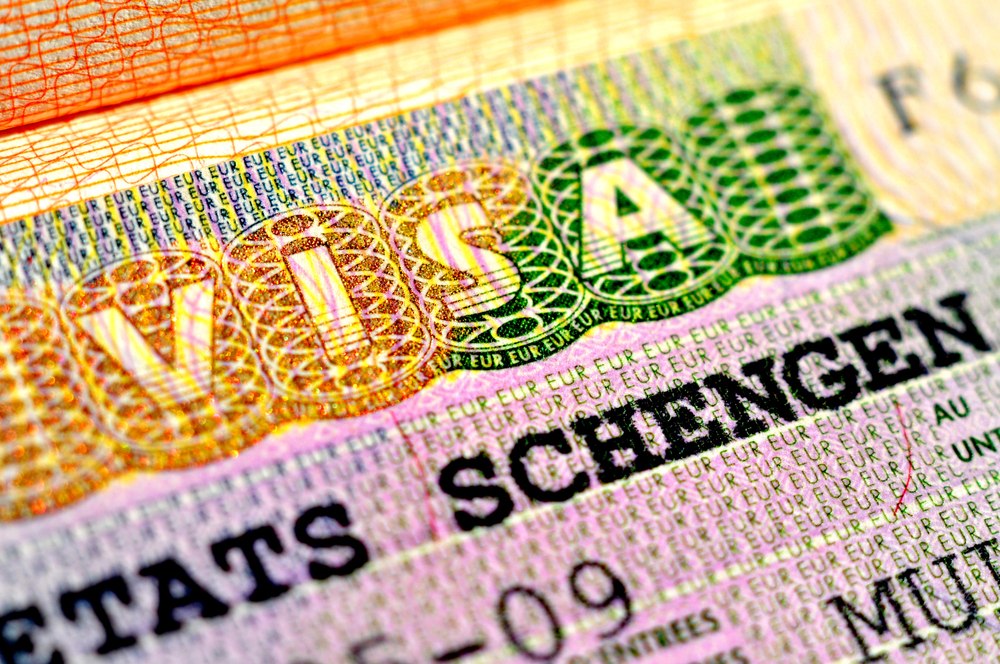
German Authorities Investigate Alleged Schengen Visa Scheme Involving Citizens of Uzbekistan
German authorities have launched a major investigation into a suspected visa fraud and migrant smuggling network accused of helping dozens of citizens of Uzbekistan enter the European Union using false information and forged documents. According to Germany’s Federal Police, around 220 officers searched seven locations in Hesse and Lower Saxony as part of an investigation led by the Public Prosecutor’s Office in Weiden in der Oberpfalz, Bavaria. The case concerns suspected commercial smuggling of foreign nationals, unauthorized residence, visa fraud, and document forgery. The investigation began after federal police inspected a traveler from Uzbekistan on a long-distance bus shortly after he entered Germany through a Bavarian border crossing. Authorities believe the suspects, described as members of an internationally operating group that included several people from Uzbekistan, arranged short-term Schengen visas for job seekers from the country. Investigators allege that false information and flight tickets were submitted to obtain the visas. According to prosecutors, after arriving in Germany, some individuals were allegedly provided with forged European Union identity documents. These documents were then reportedly used to register with health and pension insurance systems, tax authorities, municipal registration offices, employment agencies, and job centers, as well as to open bank accounts and activate mobile phone services. German authorities say the group may be linked to 76 visas issued to citizens of Uzbekistan. Investigators estimate that clients were charged €2,000 for obtaining a visa, another €2,000 for flight tickets, and €400 for forged driver’s licenses. During the searches, officers reportedly seized suspected fake identity documents and driver’s licenses from several European countries, more than 20 mobile phones, two laptops, and various banking, insurance, and registration documents. The investigation stems from an October 2025 inspection on the A6 highway near Waidhaus, close to Germany’s border with the Czech Republic. During that check, federal police stopped the passenger, who was traveling on a bus route between Prague and Amsterdam. Although he had a valid passport issued by Uzbekistan and a Czech Schengen visa, officers allegedly discovered four suspected forged Latvian identity cards and a suspected forged Polish driver’s license in his luggage. Officers located 12 people targeted in the investigation during the raids, while authorities also encountered nine other people suspected of residing illegally in Germany. Prosecutors said they are considering whether to seek an arrest warrant for the main suspect, and the investigation remains ongoing. As previously reported by The Times of Central Asia, Piergabriele Papadia de Bottini di Sant’Agnese, a former Italian ambassador to Uzbekistan, was arrested in Rome on allegations of corruption and facilitating illegal migration. Italian prosecutors allege that Papadia and his associate, Tatiana Tarakanova, operated a scheme involving the issuance of Schengen visas through the Italian Embassy in Tashkent. Prosecutors claim the pair helped arrange visas in exchange for payments.