• KGS/USD = 0.01144 0%
  • KZT/USD = 0.00191 0%
  • TJS/USD = 0.10798 0%
  • UZS/USD = 0.00008 0%
  • TMT/USD = 0.28571 0%
  • KGS/USD = 0.01144 0%
  • KZT/USD = 0.00191 0%
  • TJS/USD = 0.10798 0%
  • UZS/USD = 0.00008 0%
  • TMT/USD = 0.28571 0%
  • KGS/USD = 0.01144 0%
  • KZT/USD = 0.00191 0%
  • TJS/USD = 0.10798 0%
  • UZS/USD = 0.00008 0%
  • TMT/USD = 0.28571 0%
  • KGS/USD = 0.01144 0%
  • KZT/USD = 0.00191 0%
  • TJS/USD = 0.10798 0%
  • UZS/USD = 0.00008 0%
  • TMT/USD = 0.28571 0%
  • KGS/USD = 0.01144 0%
  • KZT/USD = 0.00191 0%
  • TJS/USD = 0.10798 0%
  • UZS/USD = 0.00008 0%
  • TMT/USD = 0.28571 0%
  • KGS/USD = 0.01144 0%
  • KZT/USD = 0.00191 0%
  • TJS/USD = 0.10798 0%
  • UZS/USD = 0.00008 0%
  • TMT/USD = 0.28571 0%
  • KGS/USD = 0.01144 0%
  • KZT/USD = 0.00191 0%
  • TJS/USD = 0.10798 0%
  • UZS/USD = 0.00008 0%
  • TMT/USD = 0.28571 0%
  • KGS/USD = 0.01144 0%
  • KZT/USD = 0.00191 0%
  • TJS/USD = 0.10798 0%
  • UZS/USD = 0.00008 0%
  • TMT/USD = 0.28571 0%
13 November 2025

Viewing results 1 - 6 of 6

Insider’s View: Uzbekistan’s Competitiveness and Advantages in the SCO Tourism Market

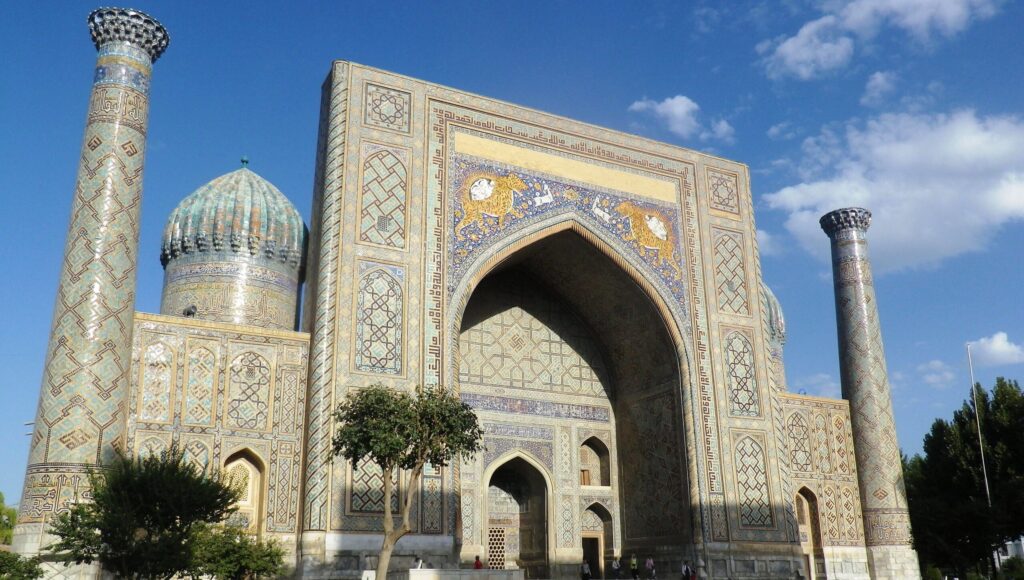
In recent years, Uzbekistan has strengthened its position in the international tourism market, particularly in the region of the Shanghai Cooperation Organization (SCO). From January to June 2025, the country welcomed over 5.3 million international tourists, more than double the figure of the previous year, while tourism service exports rose to $2.4 billion, marking a 164% increase. For the SCO member states, tourism serves as a driver of economic growth and an important tool for cultural exchange and diplomatic rapprochement. Uzbekistan stands out within the Organization thanks to its rich cultural heritage, modern infrastructure, and liberal visa policy. Uzbekistan’s historical landmarks provide the country with a significant competitive advantage within the SCO region. Cities such as Samarkand, Bukhara, and Khiva - all included on the UNESCO World Heritage List - have become major cultural magnets for tourists. These cities are home to hundreds of architectural monuments, mosques and madrasahs, traditional markets, and craft centers, offering travelers a truly unique experience. Building on this heritage, Uzbekistan has also expanded its hospitality sector. In the first half of 2025, Uzbekistan established 60 new hotels, 287 family guest houses, 146 hostels, and 24 other accommodation facilities - a total of 517 new establishments offering 12,800 additional beds. As a result, the total number of accommodation facilities reached 6,448, with overall capacity exceeding 170,000 beds. In recent years, Uzbekistan has actively cooperated with global hotel brands, with international chains such as Hilton, Intercontinental, Bentley, Bill Wyndham & Co., and Azimut implementing investment projects across various regions of the country. This has had a positive impact on both the quality of service and the level of trust from the international community. Additionally, 368 new tourism companies and travel agencies were established in the country, bringing the total number of tour operators to 4,052. Across the republic, 3,415 tour guides are currently active, with 215 new specialists trained in just the first half of this year. These developments have improved the quality of tourism services and significantly enhanced conditions for visitors to the country. Uzbekistan's visa policy is also one of the most progressive in the region. Today, citizens of more than 90 countries can enter the country visa-free, while an additional 56 countries have access to an electronic visa system. This has become a key factor in the growth of tourist arrivals. All of these measures have contributed to a significant increase in the number of tourists visiting Uzbekistan. In the first six months of 2025 alone, more than 4.3 million tourists from SCO member states visited the country, accounting for over 80% of all international visitors. Uzbekistan is also actively promoting its tourism image on the international stage. Cooperation is underway with global media companies such as World Media Group, Blue Sky, Sky One, Wanderlust, Euronews, the BBC, National Geographic, CNN, Travel Tomorrow, Warner Bros. Discovery, Saga Travel Group, as well as with online platforms like Ctrip.com, Holiday Factory, Voyage Privé, and others. In 2024, Uzbekistan participated in 22 international tourism exhibitions held in...
Kazakhstan Looks East: What’s at Stake at the SCO Summit in China?

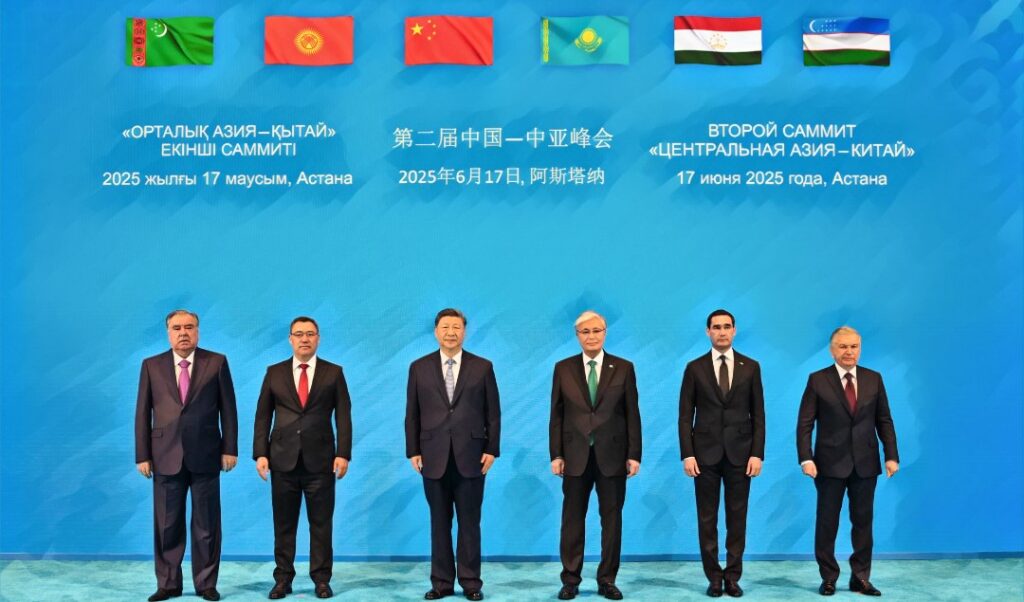
On Saturday, Kazakhstan’s President, Kassym-Jomart Tokayev, along with other Central Asian leaders, will travel to China for the Shanghai Cooperation Organization (SCO) summit. The visit comes amid China’s accelerating influence in the region, highlighting the summit’s growing geopolitical significance. Four Strategic Days in China Tokayev will visit China from August 30 to September 3 at the invitation of President Xi Jinping. High-level talks are planned, during which the two leaders will discuss deepening the Kazakh-Chinese strategic partnership. Tokayev will also attend the SCO Plus summit in Tianjin from August 31 to September 1. On September 2, he will speak at a meeting of the Kazakhstan-China Business Council in Beijing and hold talks with the heads of major Chinese companies. On September 3, he will take part in commemorations marking the 80th anniversary of Victory in World War II. Who Will Attend the Tianjin Summit? This year’s gathering marks the 25th anniversary of the SCO. Leaders from over 20 countries and representatives from ten international organizations are expected to participate. The SCO currently includes ten member states: Kazakhstan, China, Kyrgyzstan, Belarus, India, Iran, Pakistan, Russia, Tajikistan, and Uzbekistan. Particular attention is focused on Indian Prime Minister Narendra Modi, whose visit to China will be his first in seven years. Russian President Vladimir Putin also plans to attend. Leaders from Turkey, Malaysia, Indonesia, Mongolia, Azerbaijan, Armenia, Turkmenistan, and several other countries are also expected. According to China’s Foreign Ministry, this will be the largest SCO summit since the organization’s inception. Why Tianjin? A Strategic Choice Chinese analysts describe Tianjin as a strategic hub for the Belt and Road Initiative. They note its position where sea and land routes converge, the starting point of the China-Mongolia-Russia corridor, and a key link in the New Eurasian Land Bridge connecting China, Central Asia, and Europe. Its advanced infrastructure, experience in hosting international events, and open policies are seen as transforming it into a “super-hub.” Tianjin has long contributed to SCO activities, particularly through the “Lu Ban Workshop” international education initiative. Currently, ten such workshops operate across SCO countries, training skilled technical personnel in fields aligned with labor market demands. Analysts' Perspectives Western analysts quoted by Reuters say the summit will project a message of “Global South solidarity” and offer Russia an opportunity to achieve a “diplomatic coup” amid ongoing sanctions. “Xi Jinping will want to use the summit to demonstrate how the American-led international order is weakening,” said Eric Olander, editor-in-chief of The China-Global South Project. “It’s a moment to show that all the White House’s efforts since January to counter China, Iran, Russia, and now India have not had the desired impact.” China's Expanding Role in Central Asia On June 16-17, President Xi Jinping visited Kazakhstan, where leaders of the five Central Asian states, Kazakhstan, Kyrgyzstan, Uzbekistan, Tajikistan, and Turkmenistan, signed the Astana Declaration at the second China-Central Asia summit. They also concluded an agreement on eternal good-neighborliness, friendship, and cooperation. In total, over 35 memoranda worth more than $17 billion were signed. According...

Kazakhstan Proposes Digital Platform for SCO Agricultural Trade

At a recent gathering of agricultural ministry officials from Shanghai Cooperation Organization (SCO) member states in Beijing, Kazakhstan’s Deputy Minister of Agriculture, Yermek Kenzhekhanuly, proposed establishing a unified digital platform to streamline and enhance agricultural trade across the bloc. According to the Ministry of Agriculture of the Republic of Kazakhstan, the country exported $5.1 billion worth of agricultural products in 2024, a 3.9% year-on-year increase to 16.1 million tons. Notably, 69% of this trade involved nine SCO member countries, underscoring both regional interdependence and the potential for expanded agricultural cooperation. The SCO includes Kazakhstan, China, Russia, Belarus, India, Iran, Kyrgyzstan, Pakistan, Tajikistan, and Uzbekistan. “We view the agricultural sector as an area for strategic partnership, not competition,” Kenzhekhanuly stated. He emphasized Kazakhstan's readiness to help develop a unified agricultural space grounded in trust, coordination, and complementarity. The proposed digital platform would incorporate tools for electronic certification, logistics tracking, and product traceability. The Kazakh delegation also stressed the importance of harmonizing technical regulations and phytosanitary standards to facilitate mutual trade and eliminate non-tariff barriers. The meeting concluded with the signing of the Protocol of the Tenth Meeting of SCO Ministers of Agriculture, reaffirming the member states' commitment to deepening cooperation in the agricultural sector. As previously reported by The Times of Central Asia, Kazakhstan is also working to diversify its agricultural export markets, including recent wheat shipments to North Africa.

Uzbek Security Chief: SCO Must Help Afghanistan to Fight Islamic State Khorasan Province

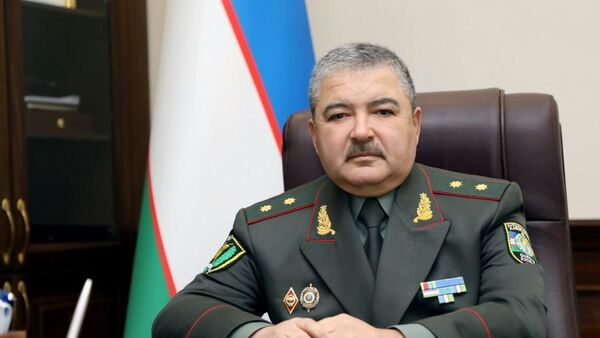
The Shanghai Cooperation Organization (SCO) is holding its 10th regional anti-terrorism conference in Tashkent. The conference is being held on September 4 and 5. At the conference's plenary session, Lieutenant General Abdusalam Azizov, the head of Uzbekistan's State Security Service, emphasized that the member countries of the SCO must work together to fight against international terrorism, extremism, and radicalism. “The Afghan government is fighting international terrorism based on its capabilities and resources, and the Afghan special service is leading the fight against the Islamic State and achieving results. We must fight together against the enemy,” Azizov said. Regarding the branch of Islamic State known as Islamic State Khorasan Province (ISKP), which has claimed responsibility for several fatal attacks in SCO member countries, including the attack on the Crocus City concert hall outside Moscow earlier this year, Azizov said: “It is important to help Afghanistan in the fight against ISKP, because the weakening of countermeasures will lead to the strengthening of this group, which, in turn, poses a threat to the security of the region.” ISKP was formed in 2014 as a collective of defectors from groups including al-Qaeda, Tehrik-e-Taliban (TTP), and former Taliban fighters from Afghanistan and Pakistan. It is estimated that ISKP has between 4,000 and 6,000 members. Since the Taliban killed its leader Sanaullah Ghafari in 2023, it is unclear who runs the group.

U.N. Chief to Deliver Peace Message during Central Asia Tour

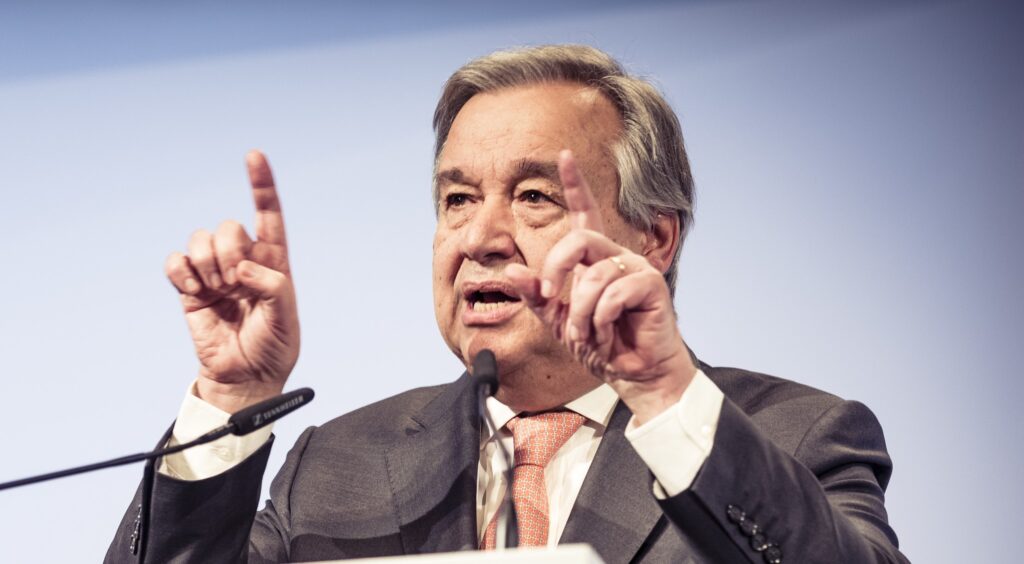
This week, U.N. Secretary-General Antonio Guterres is in Central Asia, where he will call for peace at a time of heightened international tension. Guterres arrived in Uzbekistan on the weekend and will also travel to Kyrgyzstan, Kazakhstan, Tajikistan and Turkmenistan. He´ll be in the Kazakh capital of Astana on Thursday to address the summit of the Shanghai Cooperation Organization (SCO), a regional group that was founded in 2001 by China, Russia and several Central Asian countries. The SCO is a forum for discussion of security, economic and political issues that is viewed in some circles as a counter to Western power and alliances, although Central Asian countries also have longstanding ties with Europe and the United States. Guterres will highlight “our common commitment” to multi-lateralism, international law and human rights, and is ”also expected to underscore that today’s deep global divisions are preventing countries from coming together to resolve the two serious threats emerging from climate change and digital technologies,” United Nations spokesman Stéphane Dujarric said in New York on Friday. Guterres delivered a similar message at last year’s SCO meeting, which was hosted via video-conference by India. The U.N. chief said divisions and geopolitical tensions were growing even as the need for countries to work together was becoming more urgent. Delegates at last year’s SCO meeting mostly avoided direct references to Russia’s war against Western-backed Ukraine, a major source of geopolitical tension that has disrupted food and fuel supplies to many countries. China-West tensions are also on the rise. The SCO’s members are China, Russia, Kazakhstan, Kyrgyzstan Tajikistan, Uzbekistan, Iran, India and Pakistan. Belarusian President Alexander Lukashenko, a close ally of Russian President Vladimir Putin, has said he expects Belarus to become a new member of the group at the Astana meeting.

Almaty Hosts First SCO Digital Forum

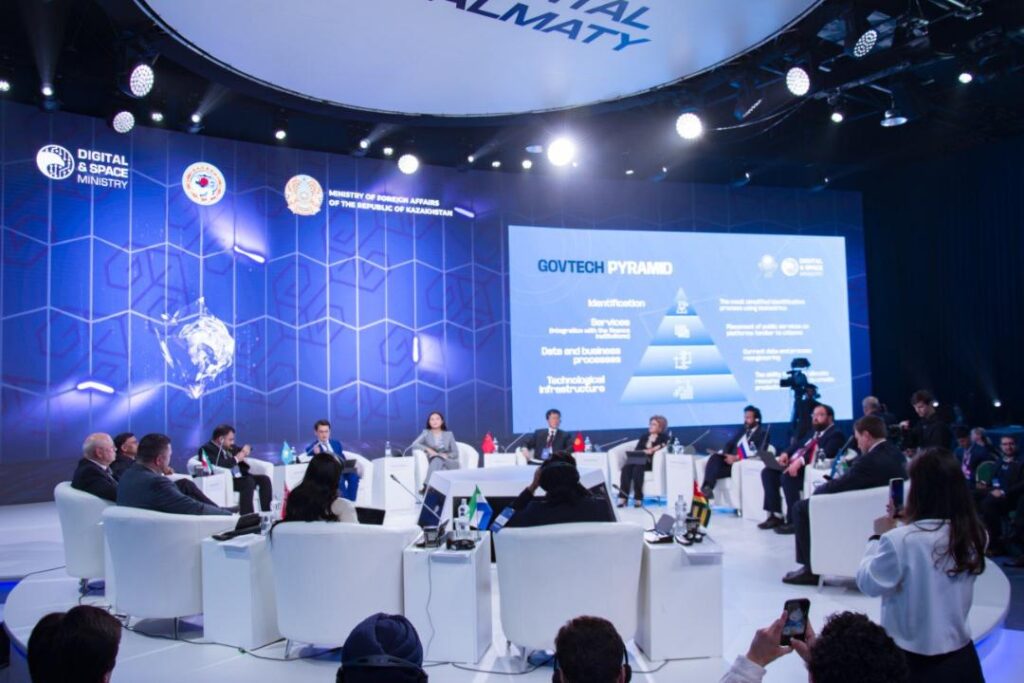
The first SCO Digital Forum, bringing together IT and communication agencies from countries within the Shanghai Cooperation Organization (SCO), was held in Almaty on February 1st. The forum is part of the three-day Digital Almaty 2024 event that began today.  The SCO comprises China, India, Kazakhstan, Kyrgyzstan, Russia, Pakistan, Tajikistan, and Uzbekistan.  The forum was chaired by Kazakhstan’s minister of digital development, innovations and aerospace industry, Bagdat Musin. In his welcoming remarks Mr Musin said that "Kazakhstan has achieved significant success in the field of digitalization, GovTech, and IT development, confidently leading among the Central Asian countries." Mr Musin highlighted the successful Kazakhstani IT startups at the international techno-park Astana Hub. "The advantage and attractiveness of Astana Hub to international companies lie in visa and tax preferences, extraterritoriality, the possibility of online registration, and the launch of acceleration programs. Among the Central Asian [countries], Astana Hub [has become] the first partner of Google for Startups, within which a joint acceleration program 'Silkway Accelerator' was developed. Over the course of two years of collaboration, the result is a twofold increase in the number of graduate companies; these companies have already entered the markets of the Middle East, the USA, and Europe.”.  Mr Musin proposed the creation of an alliance of IT parks in SCO countries to further grow innovative ecosystems, and to support startup projects and IT companies.  Another area for cooperation could be the construction of fiber-optic communication lines. Utilizing Kazakhstan's transit potential will provide significant advantages for SCO countries in connecting to the internet and improving connectivity across the Eurasian continent, Mr Musin said. He proposed building fiber-optic cables along the Russia-Kazakhstan-Iran route, with access to the Indian Ocean.