
• KGS/USD = 0.01143 0%
  • KZT/USD = 0.00213 0%
  • TJS/USD = 0.10593 0.47%
  • UZS/USD = 0.00008 0%
  • TMT/USD = 0.28571 0%
  • KGS/USD = 0.01143 0%
  • KZT/USD = 0.00213 0%
  • TJS/USD = 0.10593 0.47%
  • UZS/USD = 0.00008 0%
  • TMT/USD = 0.28571 0%
  • KGS/USD = 0.01143 0%
  • KZT/USD = 0.00213 0%
  • TJS/USD = 0.10593 0.47%
  • UZS/USD = 0.00008 0%
  • TMT/USD = 0.28571 0%
  • KGS/USD = 0.01143 0%
  • KZT/USD = 0.00213 0%
  • TJS/USD = 0.10593 0.47%
  • UZS/USD = 0.00008 0%
  • TMT/USD = 0.28571 0%
  • KGS/USD = 0.01143 0%
  • KZT/USD = 0.00213 0%
  • TJS/USD = 0.10593 0.47%
  • UZS/USD = 0.00008 0%
  • TMT/USD = 0.28571 0%
  • KGS/USD = 0.01143 0%
  • KZT/USD = 0.00213 0%
  • TJS/USD = 0.10593 0.47%
  • UZS/USD = 0.00008 0%
  • TMT/USD = 0.28571 0%
  • KGS/USD = 0.01143 0%
  • KZT/USD = 0.00213 0%
  • TJS/USD = 0.10593 0.47%
  • UZS/USD = 0.00008 0%
  • TMT/USD = 0.28571 0%
  • KGS/USD = 0.01143 0%
  • KZT/USD = 0.00213 0%
  • TJS/USD = 0.10593 0.47%
  • UZS/USD = 0.00008 0%
  • TMT/USD = 0.28571 0%

Viewing results 1 - 6 of 4

Uzbekistan Sends Over 20 Crop Varieties to Global Seed Vault in Norway

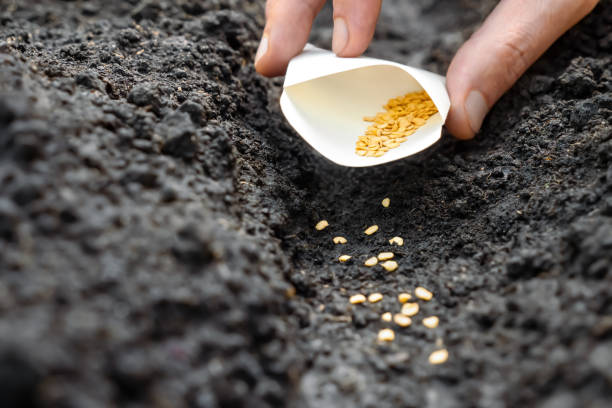
Uzbekistan has deposited more than 20 types of agricultural crop seeds, including varieties of watermelon, melon, and eggplant, into the Svalbard Global Seed Vault, the world’s most secure seed storage facility, located in the Norwegian archipelago of Svalbard, the Ministry of Agriculture has announced. According to the ministry, the seed samples represent ancient and local Uzbek crop varieties and were delivered through a joint effort involving Uzbekistan’s Ministry of Agriculture, the Scientific Research Institute of Plant Genetic Resources, the UN Food and Agriculture Organization (FAO), and the Nordic Genetic Resource Center (NordGen). Officials say the initiative marks a significant step in Uzbekistan’s efforts to preserve genetic diversity, strengthen its national gene pool, and contribute to global food security. The seeds deposited include traditional varieties of melon, watermelon, tomato, pepper, eggplant, carrot, onion, and wheat. Among these, the native “Qayroqtosh” wheat variety is of particular cultural and agricultural importance. Representatives from the Institute of Plant Genetic Resources emphasized that the initiative reflects Uzbekistan’s ongoing commitment to protecting plant biodiversity, supporting global food resilience, and safeguarding genetic material for future generations. The Svalbard Global Seed Vault, located deep within the Arctic permafrost and maintained at a constant temperature of -18°C, currently stores more than 1.1 million seed samples from around the world. Operated by the Norwegian government in partnership with the Crop Trust and NordGen, the vault provides a secure backup for global seed collections, offering protection against threats such as climate change, natural disasters, or geopolitical crises.

Kyrgyzstan Prepares for Spring Field Work

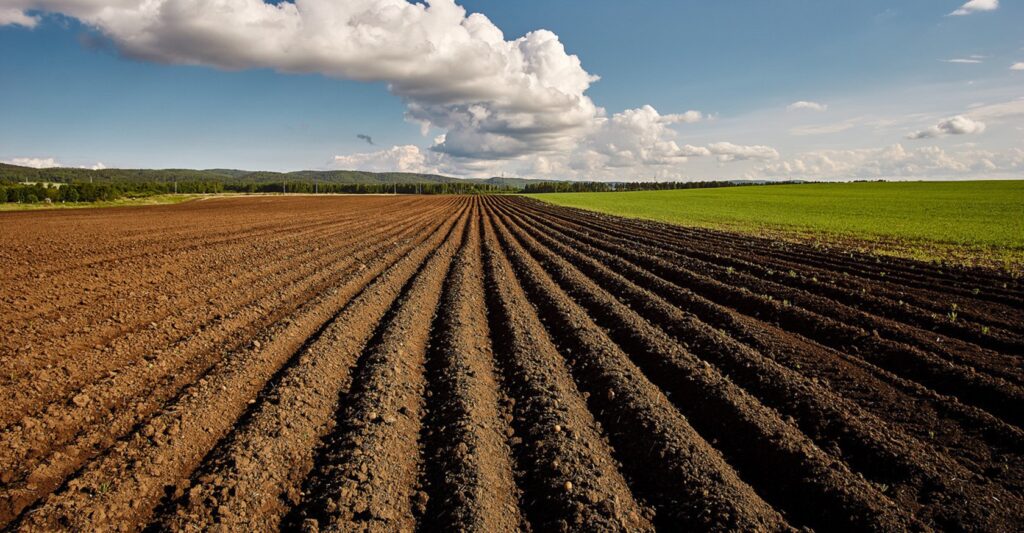
Kyrgyzstan’s Minister of Water Resources, Agriculture, and Processing Industry, Bakyt Torobaev, has reported to parliament on the country's preparations for the 2025 spring agricultural season. Key topics discussed included the reconstruction of irrigation facilities, the availability of fuel, seeds, and fertilizers, and the issuance of soft loans for purchasing agricultural machinery. According to Torobaev, the government has secured 42,000 tons of diesel fuel and 12,000 tons of gasoline to support farmers. This year’s total sowing area will cover 1.25 million hectares, an increase of 3,300 hectares from the previous year, which is expected to result in a larger harvest. Irrigation System Challenges Judging by questions raised by deputies from various regions, the main concern for farmers remains irrigation water supply. The discussion covered the construction of additional irrigation canals and the overall condition of the country’s irrigation system. Last year, a drought and deteriorating irrigation infrastructure led to significant water shortages for farmers, prompting widespread criticism of the Ministry of Agriculture. In response, the ministry developed a plan to construct dozens of Seasonal Regulation Basins, reservoirs designed to store excess water from snowmelt and rainfall for use in dry months. By 2028, the ministry aims to build 106 of these reservoirs. Seed and Fertilizer Supply Deputies also inquired about the availability of seeds ahead of spring planting. Torobaev gave assurances that 90% of the required seed volume has already been secured, and there will be no shortages of seeds, fertilizers, or pesticides. “This year, 64,600 tons of grain seeds will be sown. As of today, 58,500 tons have been accumulated, ensuring 91% of the required supply. For crops such as cereals, rice, tobacco, legumes, and soybeans, we are fully stocked at 100%,” Torobaev stated. Additionally, more than 12 million fruit and berry seedlings have been prepared for planting in state nurseries, with mineral fertilizers and pesticides actively being stocked. Advancements in Irrigation In southern Kyrgyzstan, enhanced water-saving irrigation has already begun. This technique involves providing crops with a high volume of water early in the growing season, which promotes better growth, increases stress resistance, and improves soil structure.