• KGS/USD = 0.01144 0%
  • KZT/USD = 0.00215 0%
  • TJS/USD = 0.10637 0.19%
  • UZS/USD = 0.00008 0%
  • TMT/USD = 0.28530 0%
  • KGS/USD = 0.01144 0%
  • KZT/USD = 0.00215 0%
  • TJS/USD = 0.10637 0.19%
  • UZS/USD = 0.00008 0%
  • TMT/USD = 0.28530 0%
  • KGS/USD = 0.01144 0%
  • KZT/USD = 0.00215 0%
  • TJS/USD = 0.10637 0.19%
  • UZS/USD = 0.00008 0%
  • TMT/USD = 0.28530 0%
  • KGS/USD = 0.01144 0%
  • KZT/USD = 0.00215 0%
  • TJS/USD = 0.10637 0.19%
  • UZS/USD = 0.00008 0%
  • TMT/USD = 0.28530 0%
  • KGS/USD = 0.01144 0%
  • KZT/USD = 0.00215 0%
  • TJS/USD = 0.10637 0.19%
  • UZS/USD = 0.00008 0%
  • TMT/USD = 0.28530 0%
  • KGS/USD = 0.01144 0%
  • KZT/USD = 0.00215 0%
  • TJS/USD = 0.10637 0.19%
  • UZS/USD = 0.00008 0%
  • TMT/USD = 0.28530 0%
  • KGS/USD = 0.01144 0%
  • KZT/USD = 0.00215 0%
  • TJS/USD = 0.10637 0.19%
  • UZS/USD = 0.00008 0%
  • TMT/USD = 0.28530 0%
  • KGS/USD = 0.01144 0%
  • KZT/USD = 0.00215 0%
  • TJS/USD = 0.10637 0.19%
  • UZS/USD = 0.00008 0%
  • TMT/USD = 0.28530 0%

Viewing results 1 - 6 of 6

Kyrgyz Banks Hold $1.3 Billion in Liquidity, but Businesses Lack Long-Term Financing

Kyrgyzstan’s banking sector holds a substantial volume of liquidity, yet small and medium-sized enterprises (SMEs) continue to face a shortage of development financing, according to a report by the Asian Development Bank. The ADB estimates that the system has accumulated around $1.3 billion in excess liquidity. At the same time, more than 45% of bank loans, and a similar share of microloans, are directed toward consumer needs, while lending to industry has steadily declined. Representatives of the banking sector say they are familiar with the report’s findings but consider them only partially accurate. “Commercial banks in Kyrgyzstan do indeed have sufficient funds, but the bulk of these deposits are short-term. The figures mentioned in the report mainly refer to balances on corporate accounts that are not time-bound, they are demand deposits and can be withdrawn at any moment. As for long-term funding for large-scale projects in industry and agriculture, banks lack such resources,” Anvar Abdraev, President of the Union of Banks of Kyrgyzstan, told The Times of Central Asia. According to Abdraev, this helps explain the perception that banks are reluctant to lend to industry and SMEs. He added that large businesses generally do not face financing constraints, as they tend to secure funding from international financial institutions and intergovernmental funds on concessional terms, often bypassing commercial banks. Banking sector representatives also point to structural challenges on the borrowers’ side, including underdeveloped business plans, which increase credit risk. In addition, a significant share of applications comes from startups, which banks classify as high-risk projects. Another limiting factor is the lack of sufficient liquid collateral among entrepreneurs. Banks also emphasize that non-performing loans in their portfolios are maintained at around 5-6%, prompting stricter borrower assessment criteria. As a result, the loan approval process for businesses can be lengthy, and rejection rates remain high. “The growth rate of consumer lending does indeed exceed the volume of loans directed toward business development. This is primarily because consumer loans are much easier to obtain today. This has largely been made possible by new banking technologies. Consumer loans can be issued online using remote identity verification. Moreover, the average size of such loans is significantly smaller than that of business loans,” Abdraev added. Thus, despite the high level of liquidity in the banking system, the shortage of long-term funding, combined with borrower-related risks, continues to constrain lending to Kyrgyzstan’s real sector.

ADB Provides Tajik Bank with First Direct Loan of $10 Million

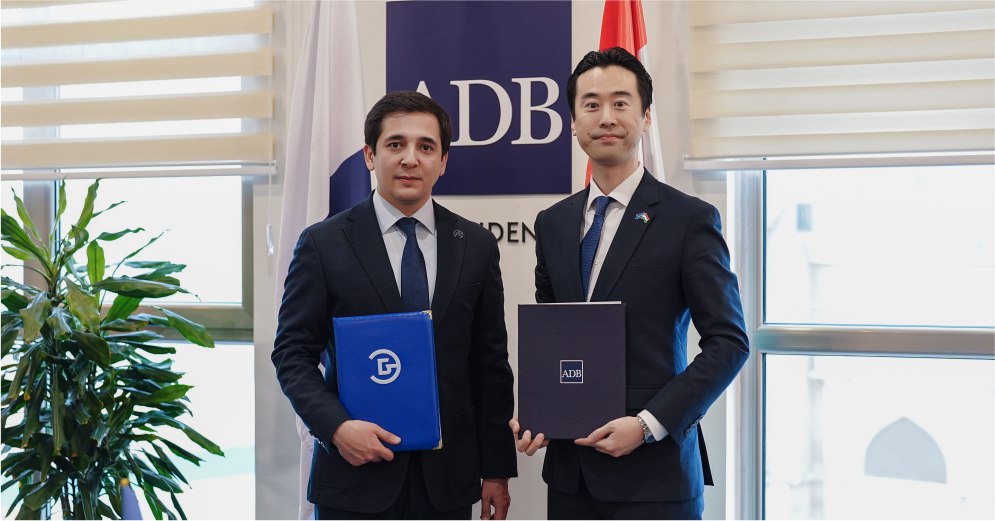
Bank Eskhata OJSC (Open Joint-Stock Company) and the Asian Development Bank (ADB) have signed a direct lending agreement, marking a new stage in financing for small and medium-sized enterprises (SMEs) in Tajikistan. This is the first time the ADB has issued a direct loan to a Tajik bank, bypassing intermediary financial institutions. The ADB stated that the format reflects a high level of trust in the partner bank and confidence in its stability within the national financial market. Tajikistan has been a member of the ADB since 1998. Under the terms of the agreement, the ADB is providing a loan in local currency equivalent to $10 million. The funds are intended to support entrepreneurs implementing environmentally friendly and energy-efficient technologies, as well as projects that reduce environmental impact and contribute to building a sustainable economy. Akmaljon Saifidinov, CEO of Bank Eskhata, described the agreement as strategically important. “We are honored to be the first financial institution in Tajikistan to receive direct lending from the ADB. This landmark event opens new horizons for supporting MSMEs and advancing green finance,” he said, referring to micro, small, and medium-sized enterprises. He added that the partnership with the ADB further strengthens the bank’s role as a leader in innovative financial solutions. The ADB expects the direct lending mechanism to significantly improve access to financing for businesses. “Direct lending will significantly expand enterprises’ access to financing and serve as a key stimulus for the development of green initiatives in Tajikistan,” said Ko Sakamoto, head of the ADB office in Dushanbe. The loan is expected to support projects in energy efficiency, green technologies, and sustainable business models, areas that have traditionally lacked access to long-term financing. In a separate initiative, the ADB recently approved a $3 million grant to enhance Tajikistan’s capacity for glacier monitoring and natural disaster forecasting.  The project includes the creation of a unified digital system for analyzing risks related to snow and ice melt and aims to improve public safety in mountainous regions.