• KGS/USD = 0.01144 0%
  • KZT/USD = 0.00202 0%
  • TJS/USD = 0.10568 -0.09%
  • UZS/USD = 0.00008 0%
  • TMT/USD = 0.28571 0%
  • KGS/USD = 0.01144 0%
  • KZT/USD = 0.00202 0%
  • TJS/USD = 0.10568 -0.09%
  • UZS/USD = 0.00008 0%
  • TMT/USD = 0.28571 0%
  • KGS/USD = 0.01144 0%
  • KZT/USD = 0.00202 0%
  • TJS/USD = 0.10568 -0.09%
  • UZS/USD = 0.00008 0%
  • TMT/USD = 0.28571 0%
  • KGS/USD = 0.01144 0%
  • KZT/USD = 0.00202 0%
  • TJS/USD = 0.10568 -0.09%
  • UZS/USD = 0.00008 0%
  • TMT/USD = 0.28571 0%
  • KGS/USD = 0.01144 0%
  • KZT/USD = 0.00202 0%
  • TJS/USD = 0.10568 -0.09%
  • UZS/USD = 0.00008 0%
  • TMT/USD = 0.28571 0%
  • KGS/USD = 0.01144 0%
  • KZT/USD = 0.00202 0%
  • TJS/USD = 0.10568 -0.09%
  • UZS/USD = 0.00008 0%
  • TMT/USD = 0.28571 0%
  • KGS/USD = 0.01144 0%
  • KZT/USD = 0.00202 0%
  • TJS/USD = 0.10568 -0.09%
  • UZS/USD = 0.00008 0%
  • TMT/USD = 0.28571 0%
  • KGS/USD = 0.01144 0%
  • KZT/USD = 0.00202 0%
  • TJS/USD = 0.10568 -0.09%
  • UZS/USD = 0.00008 0%
  • TMT/USD = 0.28571 0%
24 February 2026

Viewing results 1 - 6 of 11

Turkmen Pensioners Endure Long Queues to Prove They Are Alive

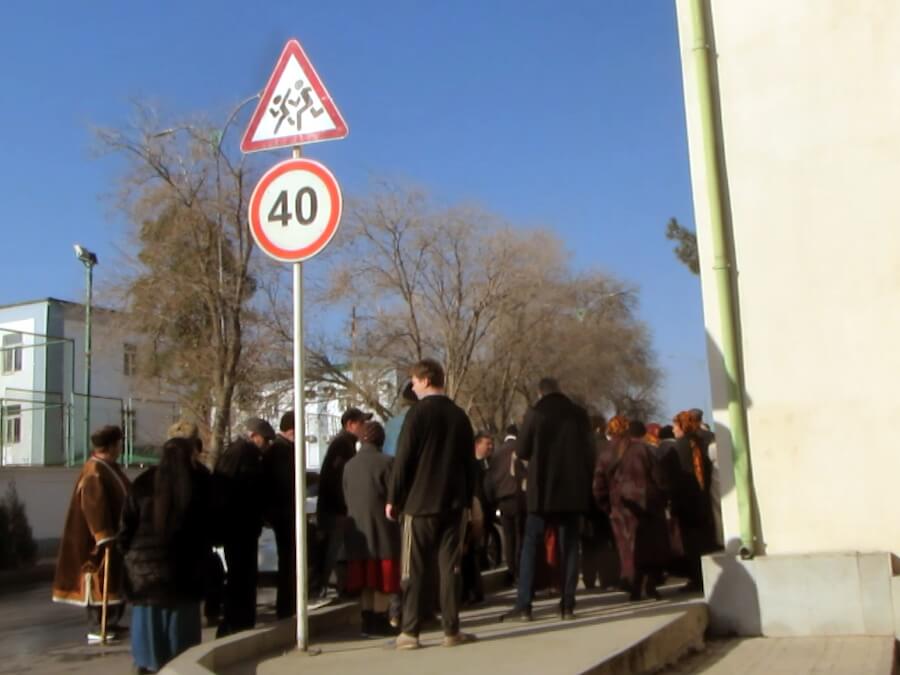
At the start of each year, elderly citizens and benefit recipients across Turkmenistan are forced to endure long hours in line at social security offices, as part of a biannual process requiring them to prove they are still alive. This routine formality has become a grueling ordeal, especially amid growing discontent over the government’s refusal to adjust payments as it had in previous years. Twice annually, in January and July, pensioners and beneficiaries must appear in person at local offices to receive a stamp in their pension books, confirming eligibility and the amount of payment for the next six months. Failure to do so results in an immediate suspension of payments. While retroactive disbursements are promised upon eventual reappearance, surviving without income for six months is an impossible burden for many. Reports of queues have emerged from across the country. Beneficiaries point out that the process could be easily streamlined with scheduled appointments or structured lists. However, no such measures are being implemented. Instead, in freezing cold or scorching heat, elderly people, women with young children, and individuals with disabilities must wait for hours. In the city of Turkmenbashi, residents expressed particular frustration. Many pensioners reportedly held out hope until the last moment for the traditional 10% increase in payments and were shocked to find it canceled this year. For those in rural areas, even an extra $2.50 to $3 per month can make a significant difference. The Times of Central Asia previously reported that the cancellation of the 2026 pension and benefit indexation triggered sharp discontent among older residents. Many only learned of the decision during their January visits and openly expressed their anger. The move stems from a position voiced in the fall of 2025 at a parliamentary session. Honorary elder Yazmyrat Atamyradov proposed a complete freeze on wage, pension, benefit, and scholarship growth, claiming the standard of living for Turkmenistan’s “happy people” was rising sufficiently. 

Kazakhstan Weighs Opening Casinos Exclusively for Foreign Citizens

Kazakhstan is considering establishing new gambling zones that would be accessible only to foreign tourists. The Ministry of Tourism and Sports recently conducted a socio-economic study in potential host regions and reported that a significant portion of local residents support the initiative. According to the ministry, international experience suggests that gambling zones restricted to foreign citizens can serve as an additional tool for attracting tourists and developing resort infrastructure, without directly impacting the domestic social environment. The proposed sites for these exclusive casinos include the Mangistau region on the Caspian Sea, the Zhetysu region in southeastern Kazakhstan, and the Almaty region. In Mangistau, 46% of respondents surveyed supported opening casinos for foreign tourists. The ministry estimates that by 2029, the region could receive up to 148,000 foreign visitors, creating approximately 7,000 permanent jobs and generating $2.3 million in annual tax revenue. In the Zhetysu region, 67% of respondents expressed no objection to the development of such casinos. Projections suggest the region could host 36,000 foreign tourists annually by 2029, with around 700 jobs created and $4.7 million in annual tax revenue expected. In the Almaty region, 54.5% of respondents supported the idea. By 2030, the region could attract up to 23,000 foreign tourists per year. According to forecasts, two gambling zones in the region may generate $12.8 million in tax revenue by 2028 and create around 2,000 permanent jobs. The ministry stressed that the establishment and operation of gambling zones will comply with national legislation. Local authorities will determine the exact boundaries, and entry will be restricted to foreign citizens only. Officials also highlighted ongoing national efforts to combat gambling addiction and mitigate social risks. The condition known as “pathological attraction to gambling” is internationally recognized and classified under the ICD code F63.0. In October 2023, Kazakhstan approved a clinical protocol for diagnosing and treating the disorder. Previously, The Times of Central Asia reported that Kazakh authorities are intensifying their crackdown on bloggers promoting online casinos. Measures under consideration include licensing requirements for bloggers and the introduction of criminal penalties, replacing current administrative sanctions.

Kazakhstan Government to Cut Social Spending

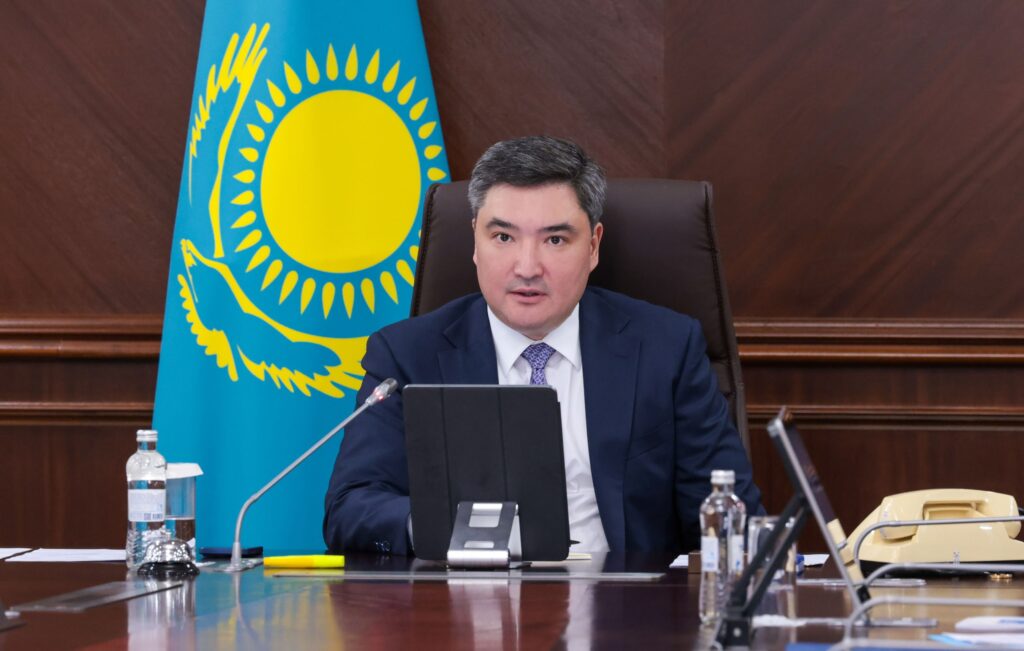
The Kazakh government plans to reduce budgetary spending on social support. Prime Minister Olzhas Bektenov told parliament that only citizens who are objectively unable to work will continue receiving state assistance. According to the Cabinet of Ministers, approximately $16.9 billion was allocated to the social sector in 2024, representing 37.3% of total budget expenditures. Of that amount, $10.2 billion went toward social security and direct assistance to the population. In 2025, social spending is projected to rise to $18.4 billion, or 37.2% of the overall budget, with social payments continuing to represent a significant portion. “The social sector places a very heavy burden on the budget: benefits, payments, and various support measures account for about 60% of the total budget. For many years, these expenditures exceeded 40% of the republican budget. When forming the budget for the next three years, we reduced them to 38%,” Bektenov said during his remarks in parliament. He added that the government will continue its optimization efforts. Only citizens who are unable to work for objective reasons will qualify for state support, while those capable of working are expected to support themselves. According to the Ministry of Labor and Social Protection, as of October 1, 2025, targeted social assistance (TSA) was being provided to 274,400 individuals from 51,000 families. The total amount disbursed thus far in 2025 was $47 million, out of a planned $190 million for the full year. TSA is distributed quarterly to low-income families, with employable recipients required to participate in state employment programs. As previously reported by The Times of Central Asia, Deputy Prime Minister Serik Zhumangarin stated that the government would revisit the issue of increasing the minimum wage no earlier than 2027.

Criticism of Kazakhstan’s Health Insurance System Reaches Parliament

Members of Kazakhstan's Mazhilis (lower house of parliament) have voiced strong criticism of the country’s healthcare system, particularly the Social Health Insurance Fund, which they argue has lost public trust. Many citizens reportedly view the quality of medical services as unsatisfactory. Kazakhstan operates a system of compulsory social medical insurance, wherein doctors' services are funded through a combination of contributions from working citizens, their employers, and the state budget. These financial contributions are collected by the Social Health Insurance Fund, which then allocates the funds to medical institutions based on the volume of services provided to the population. Speaking in Parliament, Health Minister Akmaral Alnazarova defended the system, claiming that it has led to improvements in key health and demographic indicators since its introduction. “Today, 83% of Kazakhstanis are connected to the compulsory social health insurance system, 72% of whom are from vulnerable segments of the population. This demonstrates the availability of medical care in the country,” Alnazarova stated. However, Mazhilis Deputy Chairman Dania Yespayeva pointed out that despite increasing healthcare budgets, public satisfaction with medical services continues to decline. According to surveys, up to 47% of Kazakhstanis consider the quality of domestic healthcare to be poor. Deputy Askhat Aimagambetov echoed these concerns, accusing medical institutions of manipulating service statistics to secure additional funding from the Social Health Insurance Fund. He cited a case where a five-month-old child, who had not yet developed teeth, was recorded as having received dental services. Aimagambetov also claimed that hospitals sometimes charge the insurance fund for dozens of services provided to the same patient in a single day - an impossibility. “The financing system encourages such behavior because payments are based on the quantity of services rendered, not on the effectiveness of treatment. As a result, the [Social Health Insurance Fund] has become a de facto bank for the Ministry of Health. Citizens and doctors alike have become hostages of inconsistent and poorly planned reforms, while the availability and quality of care have deteriorated. The system remains underfunded, and the resources it does have are spent inefficiently,” Aimagambetov stated. He emphasized the need for stricter oversight of the reports submitted by medical institutions to the insurance fund for reimbursement. Currently, inspections cover only about 1% of these reports, a figure Aimagambetov described as insufficient. Public dissatisfaction with health care is also reflected in broader trends. As previously reported by The Times of Central Asia, approximately 5% of Kazakhstanis considering emigration cite access to better medical services abroad as a primary reason.

New Labor Code Comes Into Force in Kyrgyzstan

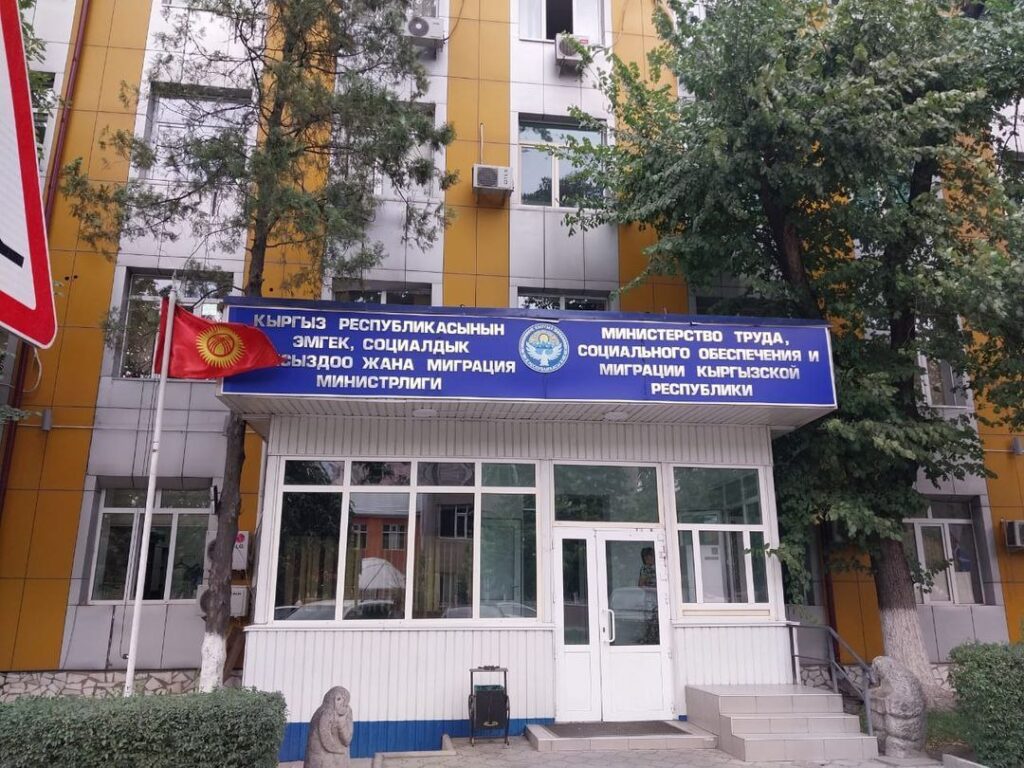
A new Labor Code has been implemented in Kyrgyzstan, introducing significant changes to labor relations in the country. The updated code includes provisions for remote work, digital labor records, and streamlined labor contracts. Additionally, relations between employees and employers will now be regulated by a separate law, “On Social Partnership.” President Sadyr Japarov signed the new Labor Code into law following its approval by Kyrgyzstan’s parliament. The reforms aim to modernize the nation’s labor practices by accelerating the digitalization of processes. Under the new code, paper labor contracts are no longer mandatory. Instead, electronic contracts will suffice for official use and inspection purposes. One of the notable provisions in the code allows for remote and hybrid work arrangements. “The labor contract, by agreement of the parties, may establish both remote work and combined remote work,” states the law, marking a shift toward more flexible employment practices. The reforms also address labor books, which traditionally served as a lifelong record of an individual’s work history. Citizens now have the option to use digital labor books, though paper versions remain valid. However, the exact platform or system for storing the digital data has yet to be determined. Another change eliminates the longstanding practice of shifting days off to accommodate public holidays. Previously, the Ministry of Labor, Social Security, and Migration could declare surrounding weekdays as non-working days. Under the new code, this practice has been discontinued, reducing the total number of non-working holidays. The Labor Code introduces several worker protections. Employers are now required to provide lump-sum benefits in the event of labor-related injuries or the death of an employee. A single penalty rate of 0.25% has been established for late payments of wages, vacation pay, severance pay, and other compensation. Employees will also have a three-year limitation period to file wage-related disputes. Additionally, the code prohibits the employment of pregnant women and nursing mothers in hazardous or physically demanding jobs, further strengthening workplace protections for vulnerable groups. These reforms are expected to streamline labor relations, improve worker protections, and align Kyrgyzstan’s labor policies with modern international standards.