
• KGS/USD = 0.01144 0%
  • KZT/USD = 0.00216 0%
  • TJS/USD = 0.10659 0%
  • UZS/USD = 0.00008 0%
  • TMT/USD = 0.28530 0%
  • KGS/USD = 0.01144 0%
  • KZT/USD = 0.00216 0%
  • TJS/USD = 0.10659 0%
  • UZS/USD = 0.00008 0%
  • TMT/USD = 0.28530 0%
  • KGS/USD = 0.01144 0%
  • KZT/USD = 0.00216 0%
  • TJS/USD = 0.10659 0%
  • UZS/USD = 0.00008 0%
  • TMT/USD = 0.28530 0%
  • KGS/USD = 0.01144 0%
  • KZT/USD = 0.00216 0%
  • TJS/USD = 0.10659 0%
  • UZS/USD = 0.00008 0%
  • TMT/USD = 0.28530 0%
  • KGS/USD = 0.01144 0%
  • KZT/USD = 0.00216 0%
  • TJS/USD = 0.10659 0%
  • UZS/USD = 0.00008 0%
  • TMT/USD = 0.28530 0%
  • KGS/USD = 0.01144 0%
  • KZT/USD = 0.00216 0%
  • TJS/USD = 0.10659 0%
  • UZS/USD = 0.00008 0%
  • TMT/USD = 0.28530 0%
  • KGS/USD = 0.01144 0%
  • KZT/USD = 0.00216 0%
  • TJS/USD = 0.10659 0%
  • UZS/USD = 0.00008 0%
  • TMT/USD = 0.28530 0%
  • KGS/USD = 0.01144 0%
  • KZT/USD = 0.00216 0%
  • TJS/USD = 0.10659 0%
  • UZS/USD = 0.00008 0%
  • TMT/USD = 0.28530 0%

Viewing results 1 - 6 of 14

Kyrgyzstan Grows Toward Food Security with Surplus Potato and Carrot Harvests

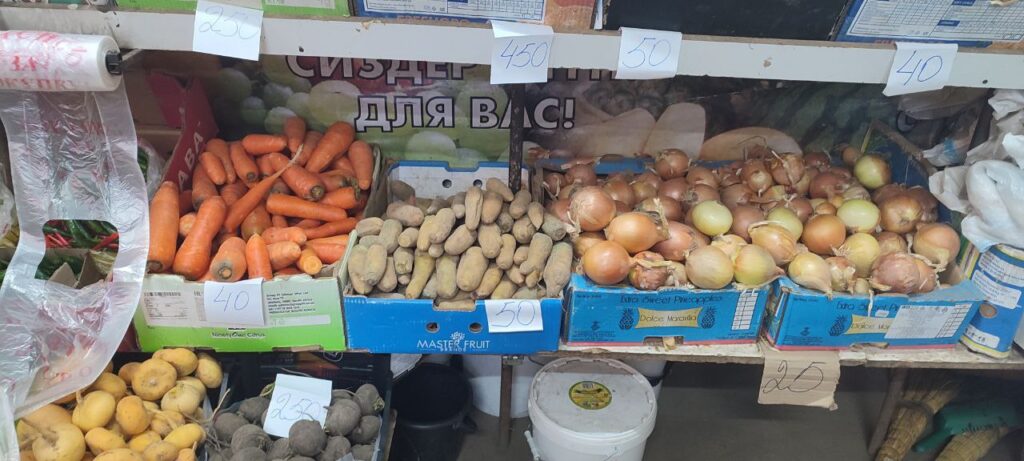
The Kyrgyz government is stepping up efforts to ensure food security and stabilize prices for socially important goods, including staple vegetables such as potatoes and carrots. In response to rising prices, the Ministry of Water Resources, Agriculture, and Processing Industry has decided to maintain existing potato crop volumes while expanding carrot cultivation. According to the ministry, the active open-field growing season is currently underway. In 2025, potato planting areas reached over 64,000 hectares, with a projected harvest exceeding 1.1 million tons. Domestic demand is estimated at approximately 760,000 tons annually, allowing for surplus exports. However, the ministry cautioned farmers against indiscriminately expanding potato acreage in pursuit of higher profits, warning that an oversupply could depress prices and reduce incomes. “To prevent unjustified price increases for socially significant products, the Ministry of Agriculture continues to monitor market prices daily. If risks of domestic shortages arise due to excessive exports or speculative practices by intermediaries, temporary export restrictions will be considered,” the ministry stated. Amid recent price surges for carrots, the government has expanded carrot cultivation by 223 hectares in the Chui region. “The second carrot harvest will ensure a stable domestic supply and help contain price increases,” said Agriculture Minister Bakyt Torobaev. The ministry attributes the current price increases to heightened demand for Kyrgyz vegetables from member states of the Eurasian Economic Union (EAEU) and neighboring countries. Uzbekistan remains the largest importer of Kyrgyz potatoes. In 2024, Kyrgyz exports to Uzbekistan doubled to 68,500 tons, prompting state intervention and temporary export restrictions to prevent domestic shortages and inflation. In addition to Uzbekistan, Kyrgyzstan annually exports over 10,000 tons of potatoes to Kazakhstan, as well as smaller volumes to Russia and Azerbaijan.


Kyrgyz Authorities Seek to Classify Cement as Socially Significant

The Ministry of Economy and Commerce of the Kyrgyz Republic has released a justification for its decision to include cement on the list of socially significant goods, a designation that allows the government to regulate prices for essential items, including construction materials. According to the ministry, the absence of state oversight has led to unjustified increases in cement prices, placing upward pressure on housing costs and hindering the construction of social and infrastructure projects. “This situation limits the population's access to quality, affordable housing and slows the country’s socio-economic development,” the ministry stated. By classifying cement as a socially significant good, the government gains the authority to regulate its price. The move aims to stabilize the construction market, lower building costs, and improve housing affordability for the public. Officials at the ministry expressed confidence that the measure would not cause any significant negative consequences. The only potential downside, they noted, would be a reduction in profits for cement manufacturers and intermediaries, primarily in conditions of market volatility where price ceilings may be imposed. Kyrgyz economists support the move, arguing that state price regulation will help stabilize the domestic cement market, stimulate the construction industry, and improve the broader socio-economic outlook. They also believe it will bolster regulatory oversight of the construction sector. The ministry further warned that the lack of effective pricing mechanisms poses risks of shortages or sudden price spikes during periods of heightened demand. In contrast, stable cement prices would boost confidence among construction firms, enabling better planning and project implementation. To ease supply constraints, the Kyrgyz cabinet previously lifted a temporary ban on cement imports, aiming to satisfy a growing demand from construction companies and the general population through additional foreign supply.