The Iran Conflict Is Stress-Testing Central Asia’s Southern Corridors
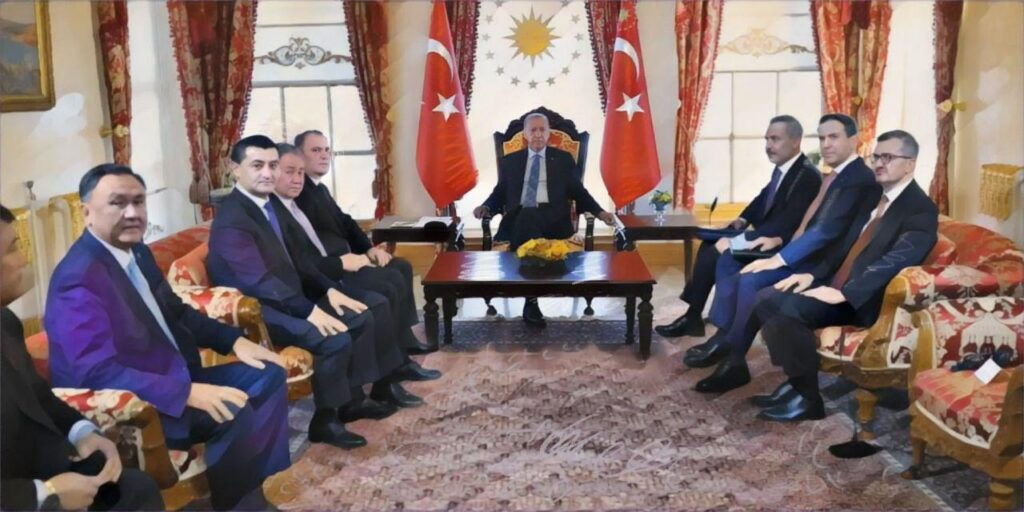
Kazakhstan President Kassym-Jomart Tokayev’s proposal of Turkestan city as a venue for Iran-war negotiations shows how directly the conflict had already begun to affect Central Asia itself. The region is no longer simply observing events in Iran. By the time Tokayev made the offer, Central Asian governments were already dealing with evacuations, route disruption, emergency diplomatic coordination, and growing concern over the war’s economic effects. The Iran war has thus become a real test of Central Asia’s southern diversification strategy. Governments across the region have, in recent years, sought to widen access to world markets through Iran, the South Caucasus, and, in some cases, Afghanistan and Pakistan. These channels reduce dependence on northern routes by opening access to Türkiye, Europe, Gulf markets, and the Indian Ocean. The present crisis subjects that strategy to wartime conditions. The strain of war makes it easier to distinguish durable links, conditional ones, and routes that remain more aspirational than real. The C6 and Crisis Coordination The first effects have been practical. Turkmenistan has opened four additional checkpoints along its frontier with Iran, supplementing the Serakhs crossing, while Azerbaijan’s overland route through Astara became another critical outlet, evacuating 312 people from 17 countries between February 28 and March 2. Turkmenistan, according to official reporting, transited more than 200 foreign citizens from 16 countries during the same period. Uzbekistan used the Turkmen route to repatriate its citizens, while Kazakhstan directed its nationals toward overland exits through Turkmenistan, Azerbaijan, Armenia, and Türkiye. The war is already affecting borders, consular work, and the regional diplomatic agenda. This immediate response gives sharper political meaning to the widening of the Central Asian C5 into a C6 with Azerbaijan. The March 2 call among the five Central Asian foreign ministers and Azerbaijan showed that the format was already there to be used under pressure. What had until now appeared mainly as a corridor framework shaped by summit diplomacy and expert work appeared instead as a working format for crisis coordination linking Central Asia to the South Caucasus. The C6 idea is becoming more practical and more overtly diplomatic. The Organization of Turkic States adds a second, broader layer. Its foreign ministers met in Istanbul on March 7 and issued a joint statement expressing concern over the escalation in the Middle East, condemning actions that endanger civilians, warning against further regional destabilization, and affirming that threats to the security and interests of member states concern the organization as a whole. The statement was cautious, and the OTS is not turning into a military instrument. Even so, the war is testing whether a Turkic political space extending from Turkey through the South Caucasus to Central Asia can do more than express concern as regional security deteriorates. The C6 is becoming a working format for immediate coordination, while the OTS remains the broader political frame within which that coordination takes on institutional meaning. Corridor Stress and Resilience The trans-Iran transit option offers Central Asia a continuous land arc from regional railheads and road networks...