
• KGS/USD = 0.01143 0%
  • KZT/USD = 0.00207 0%
  • TJS/USD = 0.10465 0.1%
  • UZS/USD = 0.00008 0%
  • TMT/USD = 0.28571 0.28%
  • KGS/USD = 0.01143 0%
  • KZT/USD = 0.00207 0%
  • TJS/USD = 0.10465 0.1%
  • UZS/USD = 0.00008 0%
  • TMT/USD = 0.28571 0.28%
  • KGS/USD = 0.01143 0%
  • KZT/USD = 0.00207 0%
  • TJS/USD = 0.10465 0.1%
  • UZS/USD = 0.00008 0%
  • TMT/USD = 0.28571 0.28%
  • KGS/USD = 0.01143 0%
  • KZT/USD = 0.00207 0%
  • TJS/USD = 0.10465 0.1%
  • UZS/USD = 0.00008 0%
  • TMT/USD = 0.28571 0.28%
  • KGS/USD = 0.01143 0%
  • KZT/USD = 0.00207 0%
  • TJS/USD = 0.10465 0.1%
  • UZS/USD = 0.00008 0%
  • TMT/USD = 0.28571 0.28%
  • KGS/USD = 0.01143 0%
  • KZT/USD = 0.00207 0%
  • TJS/USD = 0.10465 0.1%
  • UZS/USD = 0.00008 0%
  • TMT/USD = 0.28571 0.28%
  • KGS/USD = 0.01143 0%
  • KZT/USD = 0.00207 0%
  • TJS/USD = 0.10465 0.1%
  • UZS/USD = 0.00008 0%
  • TMT/USD = 0.28571 0.28%
  • KGS/USD = 0.01143 0%
  • KZT/USD = 0.00207 0%
  • TJS/USD = 0.10465 0.1%
  • UZS/USD = 0.00008 0%
  • TMT/USD = 0.28571 0.28%

Viewing results 1 - 6 of 5

Kazakhstan’s First Agro Techno-Park Opens in Astana

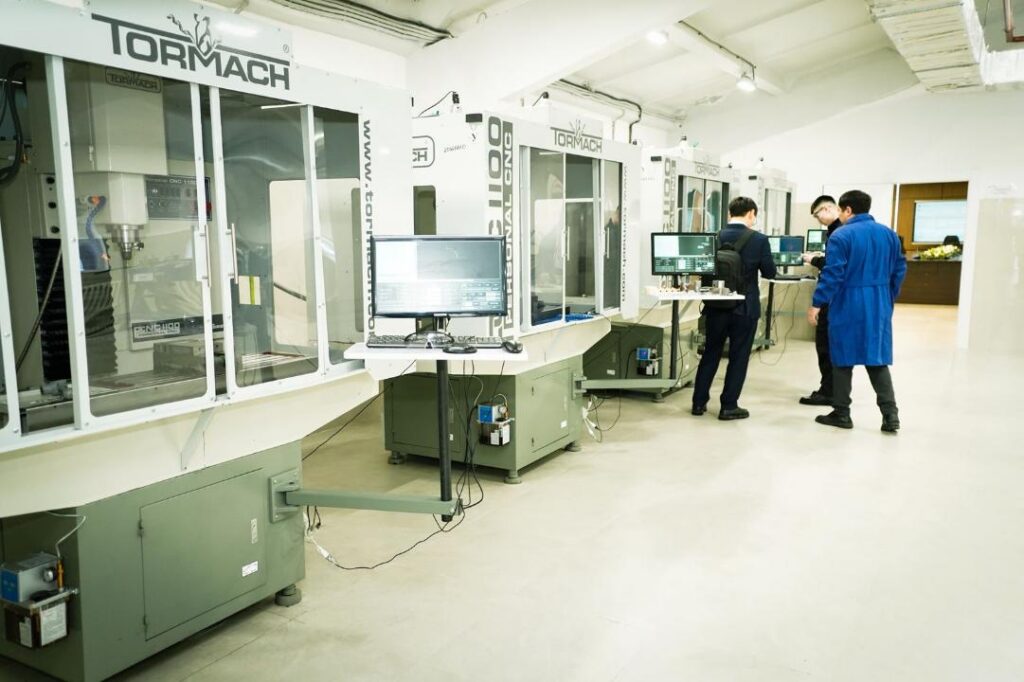
Kazakhstan’s first agro techno-park has begun operations in Astana, creating a new infrastructure platform for the development and implementation of high-tech solutions in the agro-industrial complex (AIC). The project was launched at Saken Seifullin Kazakh Agrotechnical Research University and is aimed at supporting innovation in the Akmola region, one of the country’s key grain-producing areas. According to the Ministry of Agriculture, the agro techno-park will serve as a hub for business incubation, startup support, and the piloting of modern agricultural technologies, with their subsequent introduction into Kazakhstan’s agribusiness sector. The agro techno-park covers approximately 1,000 square meters. Its facilities include a production and engineering unit with a metalworking workshop for experimental and pilot projects, office space for resident companies, and a full-cycle laboratory complex. The site also houses the Kazakh-Australian Innovation Center for Molecular and Genetic Research on Agricultural Crops, as well as laboratories dedicated to agro-biotechnology and microbiology, physical and chemical analysis, and analytical research. “Today, it is extremely important that scientific solutions do not remain within the walls of laboratories but reach agricultural producers and deliver tangible economic results. The agro techno-park should become a link between scientists and agribusiness,” Agriculture Minister Aidarbek Saparov said during his visit to the new facility. University Rector Kanat Tireuov said the agro techno-park lays the foundation for a new culture of technological entrepreneurship in the agro-industrial sector, supports the training of a new generation of specialists, and helps attract investment into applied scientific research. Its activities are expected to accelerate the market introduction of new crop varieties and hybrids, biological products, and engineering solutions, increase the sustainability of agricultural production, and strengthen the sector’s export potential. The Times of Central Asia previously reported that Kazakhstan significantly increased its exports of processed, high-tech agricultural products last year.

Kazakhstan Adds Over 4,000 New IT Companies in Two Years Amid Tech Boom

Kazakhstan’s IT sector has seen rapid expansion, with the number of registered IT companies surpassing 18,600 by the end of 2024, a 16% increase over three years, according to the Ministry of Digital Development, Innovations and Aerospace Industry (MDDIAI). In 2022, the country had around 14,000 IT firms. The surge is attributed in large part to the development of the Astana Hub international technopark, which now hosts more than 1,700 resident companies. Kazakhstan has also launched 19 regional IT hubs and established international platforms in Saudi Arabia, the United States, the United Kingdom, Dubai, and China. Astana Hub, Central Asia’s largest IT startup technopark, has attracted over 336 billion tenge ($624 million) in investments since its launch in 2018. This growth has been supported by state tax incentives totaling 130 billion tenge ($241 million). In 2024, Astana Hub residents generated 620 billion tenge ($1.33 billion) in revenue, accounting for more than half of Kazakhstan’s total IT sector revenue, which reached 1.2 trillion tenge ($2.2 billion). Export earnings contributed 140 billion tenge ($260 million). Looking ahead, the government aims to raise IT service exports to $1 billion by 2026. Support programs include AI’preneurs and the Silk Way Accelerator, which is operated in partnership with Google. More than 40 Kazakhstani startups have taken part in accelerator programs in Silicon Valley through collaborations with AlchemistX, Draper University, and the Silkroad Innovation Hub. The Tech Orda initiative aims to train 100,000 IT professionals by 2025. In parallel, the AI Qyzmet program, the first of its kind in Central Eurasia, focuses on equipping civil servants with skills in artificial intelligence to modernize public administration. Kazakhstan is also building out a national AI ecosystem. The Alem.AI International Center for Artificial Intelligence will offer research and training opportunities, while AlemLLM, the country’s largest Kazakh-language large language model, is now available to startups, academic institutions, and private companies. In July, Kazakhstan launched alem.cloud, Central Asia’s most powerful supercomputer cluster, designed to support AI development and deployment.

Kyrgyzstan Launches New IT Hub in Bishkek

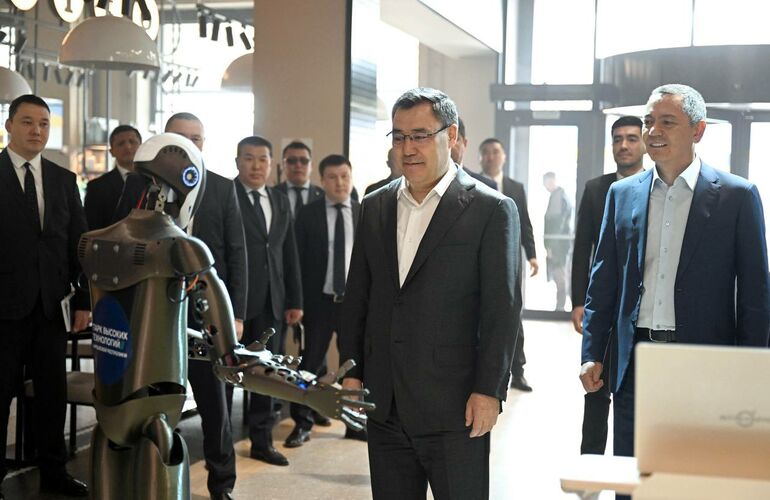
On April 10, the Technopark IT hub officially opened in Bishkek, marking a significant milestone in the development of Kyrgyzstan’s fast-growing tech sector. Spanning 14,000 square meters and designed to accommodate 1,500 jobs, the new hub was built with private investments totaling 2 billion KGS (more than $22 million). The facility serves as a center for digital innovation, entrepreneurship, and creative collaboration, featuring office spaces, co-working areas, conference rooms, and a professional podcast recording studio. Current residents of the IT hub include some of Kyrgyzstan’s largest online services for trade, employment, real estate, and cryptocurrency exchange platforms. The opening ceremony was attended by President Sadyr Japarov, who was welcomed by BilimBot, a Kyrgyz-speaking robot developed by local programmers. In his remarks, Japarov highlighted the central role of digitalization and technology in modern economic development. “Today, the world is undergoing rapid changes. The development of countries no longer depends only on natural resources. In the past, the global economy was dominated by countries rich in minerals or with access to the sea. Now, these factors are no longer decisive. We live in the digital age. The ability to use knowledge and technology as resources that can compete with natural ones has come to the fore,” he said. The president also discussed legislative reforms aimed at fostering Kyrgyzstan’s IT landscape. In 2023, Japarov signed amendments to the Law on the High Technology Park of the Kyrgyz Republic, which extended its preferential tax regime indefinitely, a move designed to attract both local and international tech companies. Established in 2011, the High Technology Park (HTP) was created to stimulate IT business development by offering substantial tax relief to companies exporting digital goods and services. Previously, tax exemptions were set for a 15-year term expiring in 2026. Under the new legislation, these tax benefits are now permanent. Resident companies of the HTP enjoy exemptions from sales tax, profit tax, and value-added tax (VAT). Employees benefit from a reduced income tax rate of 5%, and the social insurance tax is fixed at 12% of the average monthly wage. The IT sector is now one of Kyrgyzstan’s most dynamic industries. In 2021, the government created the Ministry of Digital Development to lead efforts in e-government services and to expand digital access across the country.
