• KGS/USD = 0.01144 0%
  • KZT/USD = 0.00207 0%
  • TJS/USD = 0.10415 -0.19%
  • UZS/USD = 0.00008 0%
  • TMT/USD = 0.28571 0%
  • KGS/USD = 0.01144 0%
  • KZT/USD = 0.00207 0%
  • TJS/USD = 0.10415 -0.19%
  • UZS/USD = 0.00008 0%
  • TMT/USD = 0.28571 0%
  • KGS/USD = 0.01144 0%
  • KZT/USD = 0.00207 0%
  • TJS/USD = 0.10415 -0.19%
  • UZS/USD = 0.00008 0%
  • TMT/USD = 0.28571 0%
  • KGS/USD = 0.01144 0%
  • KZT/USD = 0.00207 0%
  • TJS/USD = 0.10415 -0.19%
  • UZS/USD = 0.00008 0%
  • TMT/USD = 0.28571 0%
  • KGS/USD = 0.01144 0%
  • KZT/USD = 0.00207 0%
  • TJS/USD = 0.10415 -0.19%
  • UZS/USD = 0.00008 0%
  • TMT/USD = 0.28571 0%
  • KGS/USD = 0.01144 0%
  • KZT/USD = 0.00207 0%
  • TJS/USD = 0.10415 -0.19%
  • UZS/USD = 0.00008 0%
  • TMT/USD = 0.28571 0%
  • KGS/USD = 0.01144 0%
  • KZT/USD = 0.00207 0%
  • TJS/USD = 0.10415 -0.19%
  • UZS/USD = 0.00008 0%
  • TMT/USD = 0.28571 0%
  • KGS/USD = 0.01144 0%
  • KZT/USD = 0.00207 0%
  • TJS/USD = 0.10415 -0.19%
  • UZS/USD = 0.00008 0%
  • TMT/USD = 0.28571 0%

Viewing results 1 - 6 of 10

Uzbek Woman Killed in Traffic Accident in New York

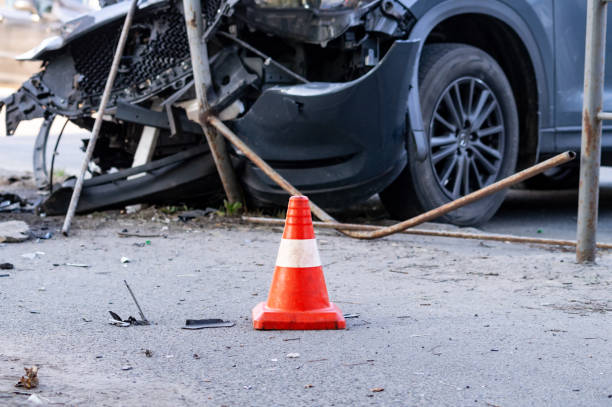
A citizen of Uzbekistan has died following a traffic accident in New York City. The incident occurred on March 10 and resulted in the death of 31-year-old Nilufar Komilova, according to Uzbekistan’s state news agency Dunyo. Preliminary information cited by the agency indicates that the accident involved a dump truck operated by the New York City Department of Transportation. The crash took place in the Kew Gardens neighborhood in the borough of Queens. Police told the New York Daily News that Komilova was struck by a yellow Mack dump truck as it made a right turn from Metropolitan Avenue onto Lefferts Boulevard shortly before 9 a.m. She died at the scene. Akobir Azizov, described as a close family friend, told the newspaper that Komilova had just taken her seven-year-old daughter to school and was walking home when the accident occurred about two blocks from her apartment. “She usually takes Lefferts Boulevard,” Azizov said. “She always followed traffic rules. She would wait for the signal to cross the street.” Komilova is survived by two children, a three-year-old son and a seven-year-old daughter. Azizov said relatives have struggled to explain the tragedy to them. According to the report, Komilova’s husband, who works as a driver for the ride-hailing service Uber, became aware of the accident after trying unsuccessfully to contact her. Uzbek officials said the Consulate General of Uzbekistan in New York is in regular contact with the family and is providing consular and legal assistance. The diplomatic mission has also expressed condolences. The incident follows another fatal traffic accident involving an Uzbek national earlier this year. On February 5, an 11-year-old girl from Uzbekistan was struck by a school bus in the Bath Beach neighborhood of Brooklyn and later died at Maimonides Medical Center. In February, Uzbekistan introduced amendments to its law “On Burial and Funeral Services,” published on the government legal portal Lex.uz. The changes allow state financial assistance for transporting the remains of Uzbek citizens who die abroad, a measure aimed at easing the financial burden on migrant families.
Kazakhstan Proposes Doubling Insurance Payments for Traffic Accident Victims

Kazakhstan is considering major changes to its compulsory motor insurance legislation, with members of parliament proposing to double compensation payments for victims of traffic accidents. Presenting the bill in the Mazhilis, MP Nartay Sarsengaliyev said the initiative aims to restore social justice and strengthen financial protection for citizens. He said current compensation levels no longer reflect the country’s actual economic conditions. At present, in the event of a fatal traffic accident, the dependents of an adult victim receive approximately $13,600. Under the proposed amendments, this amount would rise to around $29,100. The bill also outlines a similar twofold increase in compensation for children and individuals who become disabled as a result of accidents. A key provision of the legislation addresses how compensation is distributed in the event of a fatality. Currently, payouts are made only to dependents or those under the care of the deceased. If no such individuals exist, no compensation is paid. Lawmakers propose amending this policy to allow funds to be transferred to the spouse or parents of the deceased in such cases. According to Sarsengaliyev, denying compensation despite regular insurance premium payments during a person’s lifetime is unjust. The proposed legislation would also require insurance companies to proactively contact the families of deceased victims and hire independent experts to assess damages. While the initiative has broad parliamentary support, lawmakers acknowledged the financial risks involved. Deputy Tatyana Savelyeva noted that while the government supports the proposal in principle, the Cabinet has warned that doubling insurance payouts could result in a more than threefold increase in the cost of insurance policies. Maria Khadzhieva, Deputy Chair of the Agency for Regulation and Development of the Financial Market, highlighted the financial pressure already facing insurers. Over the past five years, auto insurance payouts have increased 3.7 times to reach $135.1 million, while premiums collected have grown by just 47% to $67 million. She argued that further increases in payouts would be unsustainable without a corresponding rise in insurance premiums. As previously reported by the Times of Central Asia, Kazakhstan set a national record for new car sales this year, further straining the country’s auto insurance system.

Daines, Gor, Meredov Launch C5+1 Talks on Next-Gen U.S.–Central Asia Ties

Washington, D.C. — The United States and the five nations of Central Asia – Kazakhstan, Kyrgyzstan, Tajikistan, Turkmenistan and Uzbekistan – marked a decade of partnership on Thursday with an opening panel at the C5+1 Tenth Anniversary Business Conference hosted by the U.S. Department of State. U.S. Senator Steve Daines (Montana), Sergio Gor, the newly appointed U.S. Special Envoy for South and Central Asia and Ambassador to India and Rashid Meredov, Turkmenistan’s Foreign Minister kicked things off with a bold forward-looking vision centered on deeper economic cooperation, net two-way investment flows, and a bolstered U.S. commitment to the region. Held at the Kennedy Center’s REACH campus, the session brought together senior U.S. officials, and Central Asian leaders and private sector companies to deepen a decade of growing cooperation, building on Trump’s transactional approach and first term achievements. Celebrating a Decade of Cooperation U.S. Senator Steve Daines, who moderated the session, not only praised the C5+1 platform’s record of achievements since 2015 but went further. He called the anniversary “a momentous occasion for our nations” to move forward in friendship and a sense of pragmatism, anchored in growing commerce, new investments, cultural exchange, and security cooperation. Daines emphasized that relations with the C5 countries are “vitally important for our national security and prosperity,” adding that the event aimed to pave the way for stronger, results-driven partnerships. Turning to the next speaker, Ambassador Sergio Gor, Daines offered unusually personal remarks, describing him as “truly one of the closest confidants of President Trump.” He noted that “Mr. Gor’s nomination demonstrates President Trump and his administration’s commitment to fostering closer ties between all of our nations.” Daines expressed eagerness to work with  “Sergio and the rest of President Trump’s team” to build upon the successes of previous US-Central Asian relations. U.S. Envoy Stresses Renewed Engagement In his address, Ambassador Sergio Gor,  underscored the administration’s renewed commitment to the region. He recounted that he and Deputy Secretary of State Christopher Landau had visited Kazakhstan and Uzbekistan just last week, praising the hospitality and partnership shown by both governments. Gor extended his appreciation to Kazakhstan, which he noted had “recently become a sponsor of the Kennedy Center,” and thanked Ambassador Richard Grenell for hosting the forum. Gor emphasized that “this President is making this partnership a top priority,” adding that the focus on the five Central Asian nations “is something that has been ignored in past administrations.” According to Gor, President Trump “has made a commitment and has instructed every individual here within the U.S. government to make sure [Central Asia] gets the priority that it deserves.” He emphasized the need to ramp up energy cooperation, open new trade avenues, and secure supply chains for critical minerals. “We are committed to further developing Central Asia’s vast mineral wealth and advancing critical-mineral security,” Gor underscoring C5+1’s shift from dialogue to deliverables and mutual cooperation. He also previewed the White House leaders’ meeting and dinner scheduled for later in the day, noting that several “historic deals” in commerce...

Kyrgyzstan to Nationalize Driving Schools and Reform Driver Training

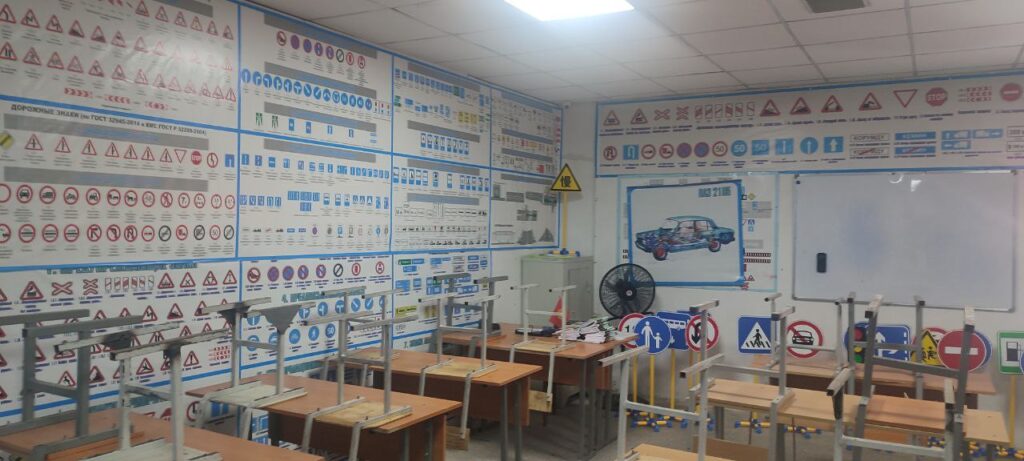
Kyrgyzstan has announced sweeping reforms to its driver training system, set to take effect at the beginning of 2026. All private driving schools will be brought under state control, and the duration of driver training will be extended from three months to fourteen. The reform was presented at a press conference in Bishkek by Kanybek Tumanbaev, Chief of Staff to the President. He stated that the initiative aims to improve road safety and curb corruption in the issuance of driver’s licenses. “There are too many traffic accidents in Kyrgyzstan today. Young people admit to purchasing driver’s licenses through private driving schools, where practical training often lasts just two or three hours,” Tumanbaev said. Under the new system, practical instruction will take place across different seasons, including both summer and winter driving conditions. The curriculum will also include courses on vehicle maintenance and driving etiquette. All exams will be administered under state supervision to prevent bribery and ensure consistent standards. Private driving instructors will not lose their jobs; instead, they will be integrated into the new state-run driving schools. The cost of training for citizens is expected to remain unchanged. Authorities also plan to introduce a partially online format for theoretical classes. As part of the reform, Kyrgyzstan will abolish indefinite driver’s licenses. Beginning in 2026, all newly issued licenses will be valid for 10 years, aligning with international standards. Citizens holding permanent licenses will be required to exchange them for the new format starting in January 2026. The replacement process will be free of charge and will not require retesting. The reforms are a response to persistently high accident rates and what officials describe as inadequate driver education. In 2024, Kyrgyzstan recorded 7,423 traffic accidents resulting in 514 deaths. In the first nine months of 2025, that figure rose to 9,078 accidents with 636 fatalities.