
• KGS/USD = 0.01144 0%
  • KZT/USD = 0.00212 0%
  • TJS/USD = 0.10841 -0.46%
  • UZS/USD = 0.00008 0%
  • TMT/USD = 0.28490 0%
  • KGS/USD = 0.01144 0%
  • KZT/USD = 0.00212 0%
  • TJS/USD = 0.10841 -0.46%
  • UZS/USD = 0.00008 0%
  • TMT/USD = 0.28490 0%
  • KGS/USD = 0.01144 0%
  • KZT/USD = 0.00212 0%
  • TJS/USD = 0.10841 -0.46%
  • UZS/USD = 0.00008 0%
  • TMT/USD = 0.28490 0%
  • KGS/USD = 0.01144 0%
  • KZT/USD = 0.00212 0%
  • TJS/USD = 0.10841 -0.46%
  • UZS/USD = 0.00008 0%
  • TMT/USD = 0.28490 0%
  • KGS/USD = 0.01144 0%
  • KZT/USD = 0.00212 0%
  • TJS/USD = 0.10841 -0.46%
  • UZS/USD = 0.00008 0%
  • TMT/USD = 0.28490 0%
  • KGS/USD = 0.01144 0%
  • KZT/USD = 0.00212 0%
  • TJS/USD = 0.10841 -0.46%
  • UZS/USD = 0.00008 0%
  • TMT/USD = 0.28490 0%
  • KGS/USD = 0.01144 0%
  • KZT/USD = 0.00212 0%
  • TJS/USD = 0.10841 -0.46%
  • UZS/USD = 0.00008 0%
  • TMT/USD = 0.28490 0%
  • KGS/USD = 0.01144 0%
  • KZT/USD = 0.00212 0%
  • TJS/USD = 0.10841 -0.46%
  • UZS/USD = 0.00008 0%
  • TMT/USD = 0.28490 0%

Viewing results 1 - 6 of 15

UN Launches Projects to Improve Health and Environment in the Aral Sea Region

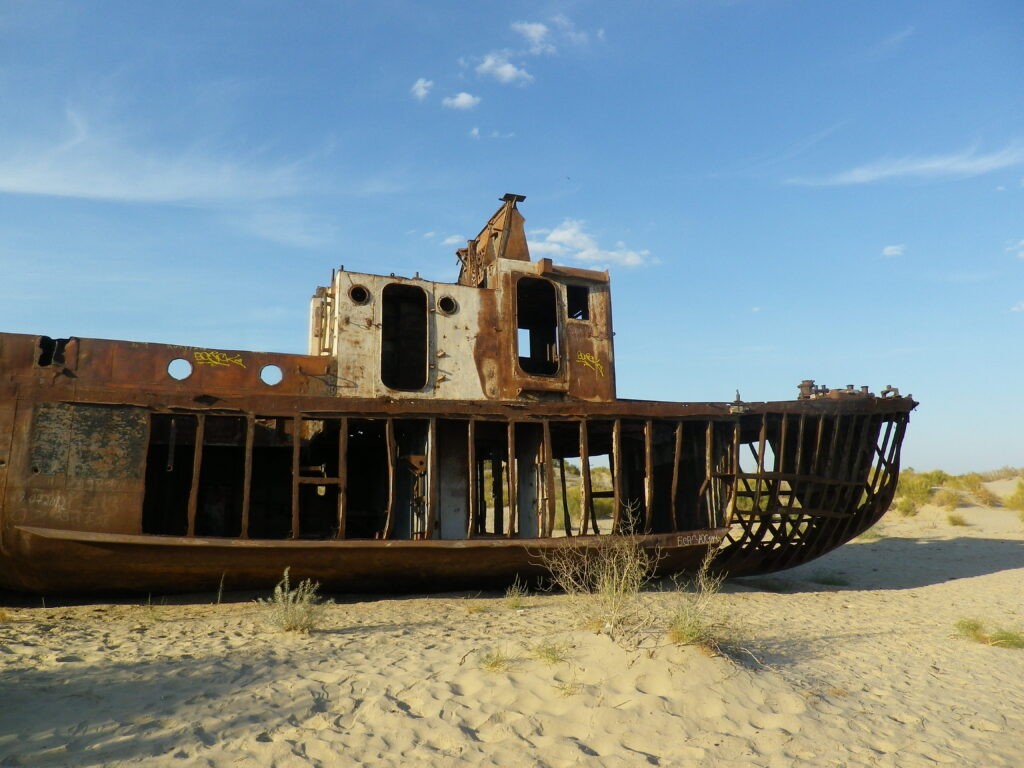
The UN has launched two new projects to address environmental and health issues in Karakalpakstan, Uzbekistan. These projects are “Enhancing Climate-Resilient and Safe Water, Sanitation, Hygiene, and Health Services for the Most Affected Communities in Four Districts of Karakalpakstan,” and the joint project between its development programme (UNDP) and its food and agriculture organization (FAO), "Building Knowledge and Skills of Local Partners and Communities to Address Environmental Insecurities through Innovative Air, Land, and Water Management Solutions in the Aral Sea Region.” “The launch of these projects marks a significant milestone in our collective efforts to address the Aral Sea Region's profound environmental and health challenges," said Sabine Machl, the UN's Resident Coordinator in Uzbekistan. "By fostering resilience through innovative solutions in water management, health services, and community empowerment, we are laying the groundwork for a sustainable future in Karakalpakstan.” The project between the UNDP and FAO aims to increase the knowledge and skills needed by local partners and communities to solve environmental security problems. It also aims to develop practical solutions for managing air, land and water, enabling communities to adapt to and mitigate climate change. In addition, within the project's framework, special attention will be paid to introducing new approaches to water treatment, forest restoration, and soil stabilization in the region. These activities have the potential to directly benefit over 376,000 residents of the three northern districts of Moynaq, Kungrad, and Takhtakupir in Karakalpakstan, particularly women in at-risk communities. The indirect impact will extend to 200,000 more people and build on the results of the previous projects. On 16 August, the UN programme “Laying the Foundations for People-Centered, Climate-Resilient Primary Health Care and Water, Sanitation, and Hygiene Practices at Healthcare Facilities and Schools” was officially completed. During his visit to Karakalpakstan on August 19, Uzbek President Shavkat Mirziyoyev announced the establishment of the Aral Sea Region International Innovation Center to improve the ecosystem and create new varieties and seeds in a saline, water-less environment. $80 million will be allocated to mitigate the consequences of climate change in the Aral Sea region. The Times of Central Asia has published several articles about the problems arising from the drying up the Aral Sea and the work being done to combat this.

UNICEF: Central Asia Must Work To Keep Children Out Of Alternative Care

About 60,000 children across the five Central Asian countries remain in alternative, care despite the known and devastating effects of family separation and child institutionalization, according to a new policy report released by UNICEF. Regina De Dominicis, UNICEF Regional Director for Europe and Central Asia, highlighted the dire and lifelong consequences of institutionalization for children and stressed the need for more investment in family support services. “We have seen progress in recent years in reducing the number of children in alternative care – including the closure of institutions. We must continue this work so that no child is ever placed in alternative care because of poverty, disability or challenging behavior, or because their family lacks access to services they need to care for their child at home,” she said. The report states that 203 children per 100,000 in the region live in care institutions, nearly double the world average of 105 per 100,000. While progress has been made in reducing the overall number of children in institutions, the report notes that children with disabilities are disproportionately represented in these homes. Between 2015 and 2021, the proportion of children with disabilities in residential institutions increased in all Central Asian countries except Kazakhstan, indicating persistent social norms and a lack of social services for these children. UNICEF emphasizes the need to close institutions and support families to prevent unnecessary placement of children in residential care. The organization offers a comprehensive approach to ensure that all children, regardless of their circumstances, grow up in a family environment: 1. Implement effective childcare reforms to keep children with their families where possible, including planning to close large-scale institutions and develop a comprehensive continuum of child and family support and protection services. 2. Investment in a range of child and family support services, including statutory family support services and a strong social service workforce, for the early identification of and intervention in situations when children are at risk of separation. 3. Securing family-based alternative care, including stronger support for extended family members who care for children and strategies to keep siblings together where possible. 4. Protecting children who are already in alternative care against violence, neglect, and abuse through robust safeguarding policies and practices. 5. Investing in more and better data on children who are at risk of family separation, in alternative care, or who have left care. 6. Raising public awareness of the benefits of keeping families together and the urgent need to prioritize family-based care. 7. Ensuring that children have a voice in the decisions that affect them and are consulted when new policies and practices are developed to meet their needs and rights. UNICEF works with governments and partners in Central Asia to keep and support families and community-based care. This also includes implementing deinstitutionalization policies, expanding family support services to prevent separation, а family reunification, and facilitating safe transitions to independent living.

UNICEF Donates Vehicles to Distribute Vaccines in Kyrgyzstan

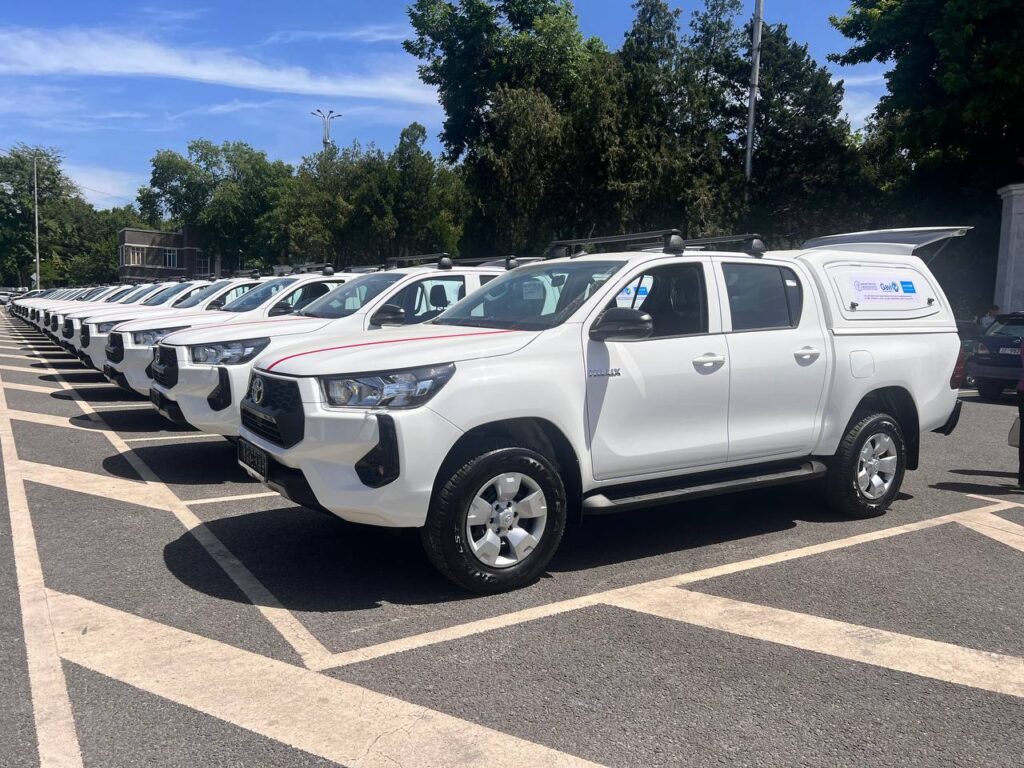
The Global Alliance for Vaccines and Immunization (GAVI) and UNICEF have donated 16 vaccine transport vehicles to Kyrgyzstan. The special cars were provided to the Kyrgyz Ministry of Health to increase immunization rates across the country. The vehicles will help improve the distribution of vaccines from regional to district storage facilities, ensuring their timely availability in remote regions of the country. “Vaccines against dangerous diseases such as measles, rubella, or pertussis require special storage and transportation conditions to be safe and effective. Therefore, improving this infrastructure directly affects the availability of life-saving vaccines for every child in Kyrgyzstan,” said UNICEF's acting representative in Kyrgyzstan Cristina Bruggiolo. Akchabar reports that this is the first batch of 26 vehicles that the ministry will receive. The remaining ten cars will arrive in the country by the end of July.
