
• KGS/USD = 0.01143 0%
  • KZT/USD = 0.00211 0%
  • TJS/USD = 0.10793 0.09%
  • UZS/USD = 0.00008 0%
  • TMT/USD = 0.28571 0%
  • KGS/USD = 0.01143 0%
  • KZT/USD = 0.00211 0%
  • TJS/USD = 0.10793 0.09%
  • UZS/USD = 0.00008 0%
  • TMT/USD = 0.28571 0%
  • KGS/USD = 0.01143 0%
  • KZT/USD = 0.00211 0%
  • TJS/USD = 0.10793 0.09%
  • UZS/USD = 0.00008 0%
  • TMT/USD = 0.28571 0%
  • KGS/USD = 0.01143 0%
  • KZT/USD = 0.00211 0%
  • TJS/USD = 0.10793 0.09%
  • UZS/USD = 0.00008 0%
  • TMT/USD = 0.28571 0%
  • KGS/USD = 0.01143 0%
  • KZT/USD = 0.00211 0%
  • TJS/USD = 0.10793 0.09%
  • UZS/USD = 0.00008 0%
  • TMT/USD = 0.28571 0%
  • KGS/USD = 0.01143 0%
  • KZT/USD = 0.00211 0%
  • TJS/USD = 0.10793 0.09%
  • UZS/USD = 0.00008 0%
  • TMT/USD = 0.28571 0%
  • KGS/USD = 0.01143 0%
  • KZT/USD = 0.00211 0%
  • TJS/USD = 0.10793 0.09%
  • UZS/USD = 0.00008 0%
  • TMT/USD = 0.28571 0%
  • KGS/USD = 0.01143 0%
  • KZT/USD = 0.00211 0%
  • TJS/USD = 0.10793 0.09%
  • UZS/USD = 0.00008 0%
  • TMT/USD = 0.28571 0%

Viewing results 1 - 6 of 2

Kazakhstan Opens Drone Operator Training Lab for Interior Ministry

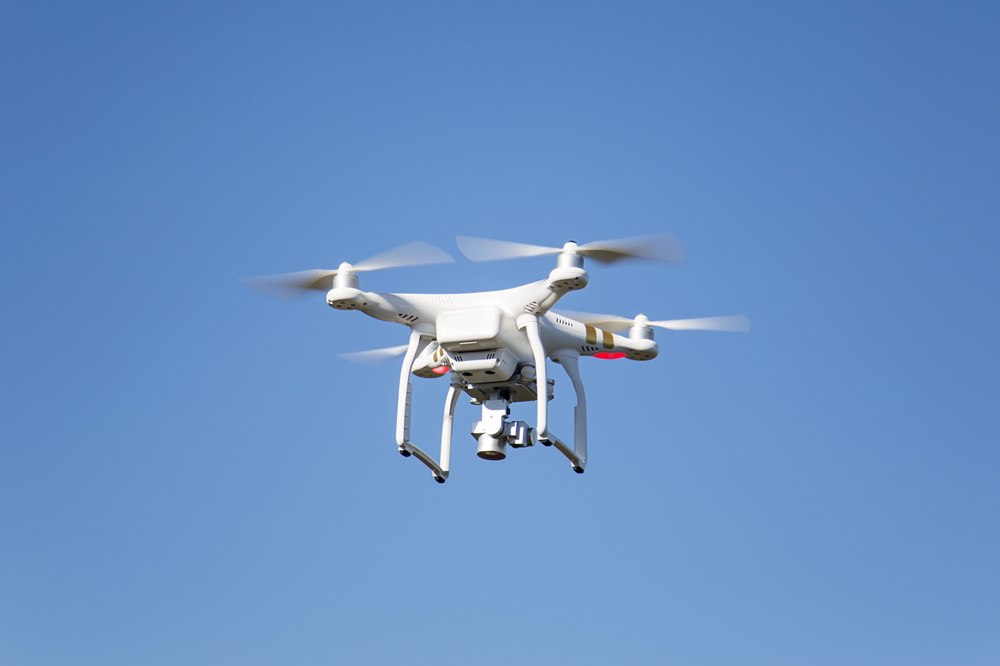
Kazakhstan is actively integrating modern unmanned aerial technologies into law enforcement, with the Interior Ministry opening a new training laboratory where police officers will receive comprehensive instruction in drone operations. According to Polisia.kz, the training program includes several stages: theoretical coursework, simulator-based exercises, and practical computer-based training. Particular attention is being given to the use of drones in real operational tasks, from rapid response missions to search and rescue operations. “On the instructions of the minister of internal affairs, a training laboratory for unmanned aerial systems has been established at the ministry’s Operational and Forensic Department. Our task is to prepare officers who can confidently and effectively use modern technologies in their daily work,” said Rolland Moldybayev, chief forensic specialist at the department. Unmanned aerial vehicles are already being used by police for night surveillance and aerial reconnaissance. Equipped with high-resolution cameras and thermal imaging systems, they allow officers to search for missing persons at night and in difficult weather conditions. Drones also provide an operational aerial view of crime scenes, allowing officers to document situations before investigative teams arrive and helping preserve critical evidence. In addition, drones are used to inspect hard-to-reach areas, including mountainous terrain, steppe zones, and abandoned facilities. This has significantly improved the effectiveness of searches for missing persons and supports the surveillance and apprehension of wanted suspects by enabling covert and safer monitoring. “The practical effectiveness of these technologies has already been proven in the field: in the Turkestan region, the use of a drone helped quickly solve a livestock theft case. Suspects were identified, their movements tracked, and evidence collected, which led investigators to the buyer of the stolen property,” the Interior Ministry said. The ministry added that the introduction of drone technologies marks an important step in the development of modern policing, increasing response speed, operational accuracy, and overall public safety. As previously reported by The Times of Central Asia, Kazakhstan also plans to launch mass production of drones for police needs, both at the Karaganda-based research and production association Perspektiva and at a correctional facility in the Akmola region.

Kazakhstan to Launch Drone Production at Correctional Facility in Akmola Region

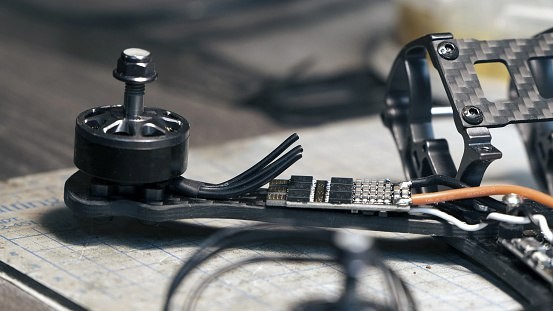
A correctional facility in Kazakhstan’s Akmola Region is preparing to launch full-cycle production of unmanned aerial vehicles (UAVs), according to Yermek Shurmanov, director of Enbek, a state-owned enterprise operating under the country’s penal system. A renovated hangar in the settlement of Arshaly, the administrative center of Arshaly District in Kazakhstan’s Akmola Region, has already been equipped with machinery needed to manufacture drone airframes, circuit boards, and develop onboard software. Enbek oversees employment programs for inmates housed in penal institutions under the Ministry of Internal Affairs. Kazakhstan has 78 such facilities, holding around 23,000 able-bodied convicts. Of these, more than 18,000 are already engaged in various forms of industrial labor. Shurmanov stated that the initiative involves not just drone assembly, but full-scale production taking place within the correctional facility. The project is being implemented in partnership with Kazakhstani businesses, which are placing production orders directly with the institutions. Currently, correctional facilities in Kazakhstan manufacture furniture, construction materials, clothing, playground equipment, and small architectural forms, and operate greenhouse farming. Inmates also receive vocational training and work under formal labor contracts, in accordance with the national Labor Code. As previously reported by The Times of Central Asia, drone production is already underway within Kazakhstan’s military sector. In Almaty, UAVs are being tested for commercial delivery services. In East Kazakhstan, drones equipped with artificial intelligence are being used to monitor soil and crop conditions, and in Karaganda, engineers have unveiled prototypes for drones designed for public safety operations.