


Kazakhstan Proposes Fines for Unauthorized Graffiti
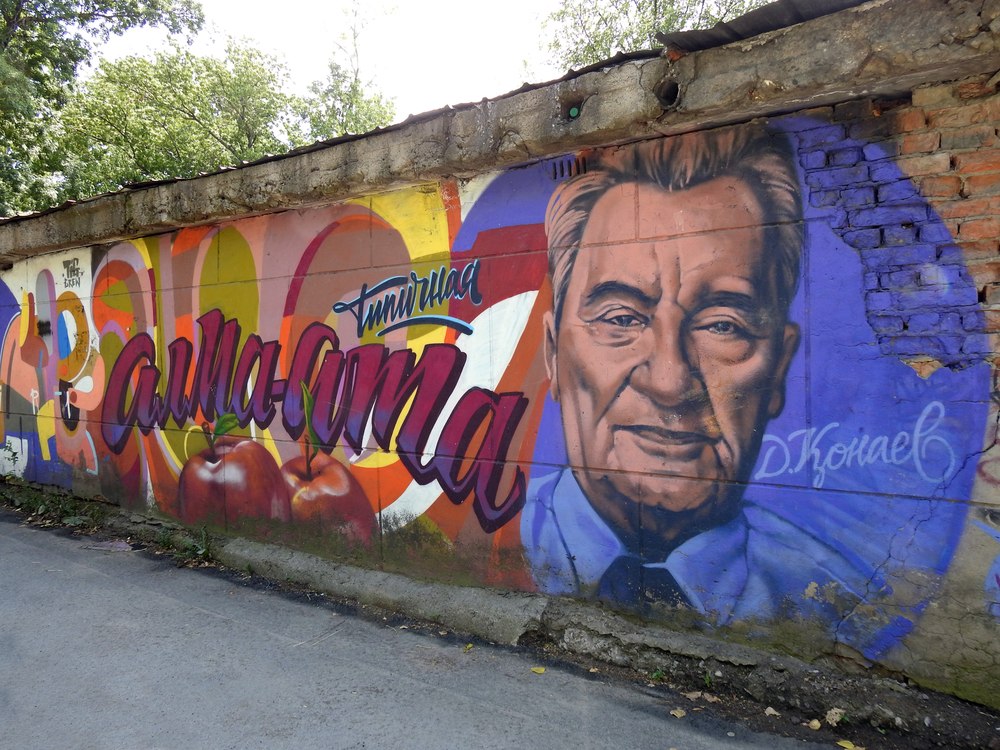
Kazakhstan is preparing to introduce fines for unauthorized graffiti on public buildings and structures. The Interior Ministry has proposed enshrining a ban in law following a campaign against vandalism and drug-related graffiti. Interior Minister Yerzhan Sadenov presented the proposals on September 21 at a government meeting. Prime Minister Olzhas Bektenov instructed the Interior Ministry to prepare amendments aimed at “establishing a complete ban on all types of graffiti that damage public places.” A significant part of the police’s current work involves drug-related graffiti: inscriptions advertising drugs and providing sellers’ contact details. According to the Interior Ministry, police and volunteers have removed around 80,000 such inscriptions and drawings. Authorities have opened 81 criminal cases over drug promotion and advertising, with 19 people convicted. Through the digital service “No to Drugs,” citizens have reported another 150 violations to the police. The Interior Ministry’s proposal, however, goes beyond drug-related graffiti. Sadenov spoke about inscriptions and drawings on public buildings and structures in general. The government used the wording graffiti that “damage public places.” How “damage” is defined in the amendments could determine how authorized street art is treated. In Almaty, Astana, and other cities, murals have long been used to decorate building facades and public spaces. The government materials published so far contain no proposal to prohibit such works. Elsewhere, legislation generally links liability not to graffiti as an art form, but to a lack of authorization and damage to property. In Germany, criminal liability applies, among other things, to unauthorized alterations that substantially and permanently change the appearance of public monuments and works of art. One of the stricter regimes is in Singapore, where the Vandalism Act includes a maximum fine of up to S$2,000 or up to three years in prison. For certain offenses, the law also provides for caning. Kazakhstan’s approach will become clearer once the amendments are published. For now, the Interior Ministry has proposed administrative liability rather than a separate criminal offense for graffiti. The government is also preparing a National Cleanliness Standard. It is expected to include requirements covering the maintenance and landscaping of populated areas, the upkeep of natural areas, environmental education, and volunteer activities. Urban development regulations are also changing. The new Construction Code established the design code as a tool for shaping the appearance of cities and other populated areas. Specialized urban planning organizations have been established in all regions, while regional authorities have approved road maps for urban development for 2026-2027.
