


Kazakhstan’s Agricultural Exports to Iran Nearly Double in 2025
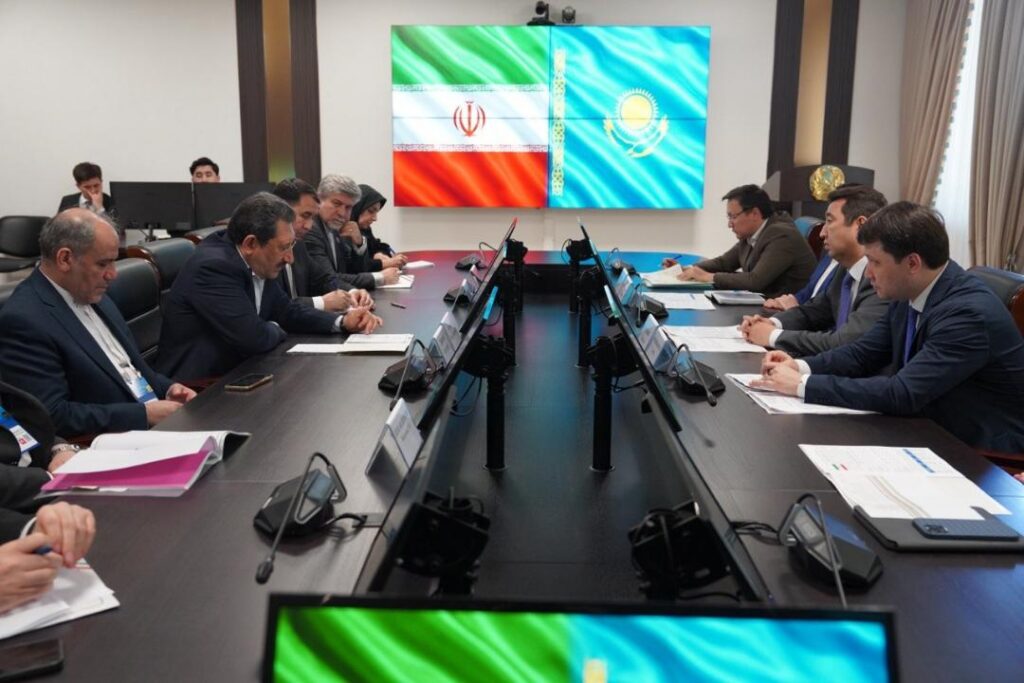
Kazakhstan’s agricultural exports to Iran nearly doubled in 2025, driven by a sharp increase in grain shipments, Agriculture Minister Aidarbek Saparov said during talks with Iranian Minister of Industry, Mine and Trade Seyyed Mohammad Atabak. According to Kazakhstan’s Agriculture Ministry, agricultural trade between the two countries rose 55.8% year-on-year to $342 million in 2025, accounting for 79% of total bilateral trade. Exports of Kazakhstan's agricultural products increased 97% to $238.5 million. Grain exports more than doubled to 1.1 million metric tons, valued at $225.3 million, Saparov said. “Kazakhstan attaches special importance to expanding cooperation with Iran in the agricultural sector. Our markets complement each other, as demonstrated by the steady growth in bilateral agricultural trade,” he said. The ministers discussed prospects for expanding trade in agricultural products, investment cooperation, and the development of joint projects in the agro-industrial sector. Particular attention was given to increasing Kazakhstan's exports of grain, beef, and lamb that meet international veterinary and halal standards. The two sides also highlighted the potential for expanding supplies of vegetable oils and other food products to the Iranian market. Atabak said Iran was interested in expanding economic ties with Kazakhstan, including through increased agricultural trade, improved transport links, and joint processing projects. “Kazakhstan is an important partner for Iran in the region. We are interested in increasing bilateral trade, expanding agricultural supplies, developing logistics routes, and implementing joint projects in processing and agro-industrial cooperation,” he said. Saparov also invited Iranian investors to participate in projects involving agricultural production and value-added processing, including grain and oilseed processing facilities. The growth in agricultural trade comes despite disruptions to some bilateral projects earlier this year. In April, Kazakhstan’s Deputy Foreign Minister Arman Issetov said several joint projects with Iran had been suspended because of military hostilities there. Trade ties have nevertheless continued to expand. In May, Kazakhstan's vegetable oil producers launched pilot shipments of rapeseed and sunflower oil to Iran via the Caspian Sea, opening a new export route for the sector. Kazakhstan and Iran have set an ambitious target of increasing bilateral trade to $1 billion in the coming years, with plans to double that figure over the longer term, following agreements reached during Iranian President Masoud Pezeshkian’s visit to Astana last year.
