• KGS/USD = 0.01144 0%
  • KZT/USD = 0.00212 0%
  • TJS/USD = 0.10456 0.19%
  • UZS/USD = 0.00008 0%
  • TMT/USD = 0.28490 0%
  • KGS/USD = 0.01144 0%
  • KZT/USD = 0.00212 0%
  • TJS/USD = 0.10456 0.19%
  • UZS/USD = 0.00008 0%
  • TMT/USD = 0.28490 0%
  • KGS/USD = 0.01144 0%
  • KZT/USD = 0.00212 0%
  • TJS/USD = 0.10456 0.19%
  • UZS/USD = 0.00008 0%
  • TMT/USD = 0.28490 0%
  • KGS/USD = 0.01144 0%
  • KZT/USD = 0.00212 0%
  • TJS/USD = 0.10456 0.19%
  • UZS/USD = 0.00008 0%
  • TMT/USD = 0.28490 0%
  • KGS/USD = 0.01144 0%
  • KZT/USD = 0.00212 0%
  • TJS/USD = 0.10456 0.19%
  • UZS/USD = 0.00008 0%
  • TMT/USD = 0.28490 0%
  • KGS/USD = 0.01144 0%
  • KZT/USD = 0.00212 0%
  • TJS/USD = 0.10456 0.19%
  • UZS/USD = 0.00008 0%
  • TMT/USD = 0.28490 0%
  • KGS/USD = 0.01144 0%
  • KZT/USD = 0.00212 0%
  • TJS/USD = 0.10456 0.19%
  • UZS/USD = 0.00008 0%
  • TMT/USD = 0.28490 0%
  • KGS/USD = 0.01144 0%
  • KZT/USD = 0.00212 0%
  • TJS/USD = 0.10456 0.19%
  • UZS/USD = 0.00008 0%
  • TMT/USD = 0.28490 0%

Viewing results 3331 - 3336 of 5581

Turkmenistan’s GDP Expands by 6.3% in First Quarter of 2024

In the first quarter of 2024, Turkmenistan demonstrated stable economic growth, President Serdar Berdimuhamedov said at a meeting of the Cabinet of Ministers, where the results of the first three months of this year were summarized. Berdimuhamedov stated that positive dynamics are evident in the key economic indicators. Specifically, industrial production increased by 4.7 %, the transport and communication sector by 6.6%, the service sector by 7.6%, the trade sector by 8.2%, and the agricultural sector by 4.1%. The country's average salary also rose by 10% in the first quarter. In addition to the country’s economic growth, the president observed that the country is rapidly developing its large industrial and social infrastructure, which includes new villages, residential buildings, entertainment and medical facilities, and supporting families with new schools and kindergartens. These initiatives are being carried out in accordance with Turkmenistan's 2022–2028 socioeconomic development strategic program.

Kazakhstan and Egypt Develop Economic Cooperation

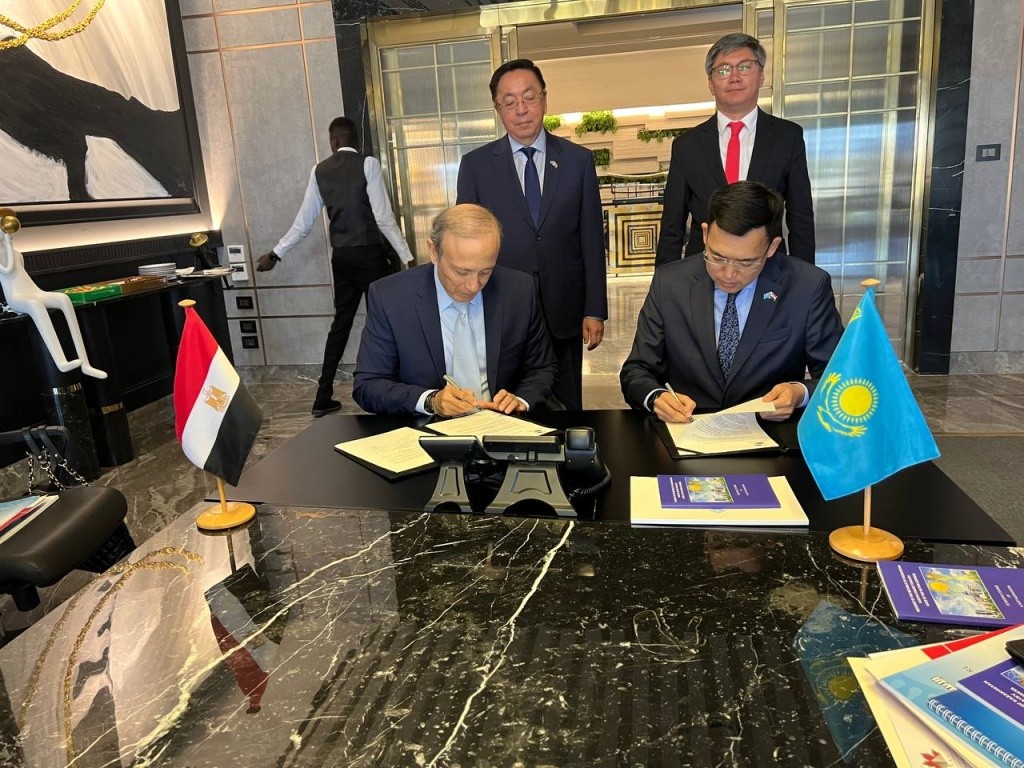
The Embassy of Kazakhstan in Egypt and Kazakh Invest last week organized a round table in Cairo for large company members of the Egyptian Business Council for International Cooperation. Following discussion on trade and investment opportunities, a Memorandum of Cooperation was signed by Kazakh Invest and the Egyptian Business Council for International Cooperation. Kairat Lama Sharif, Kazakhstan's Ambassador to Egypt, stated that Egypt as one of the three largest economies among Arab countries, has high potential for increasing trade and economic cooperation with Kazakhstan. By way of illustration, he reported that many Kazakh producers of convenience food have expressed interest in the Egyptian market, which has a population of more than 105 million. The ambassador invited Egyptian companies to expand cooperation with Kazakhstan enterprises and agreement was made for representatives of Egyptian business to visit Kazakhstan later this year.

Electricity Prices in Kazakhstan Rise by 26% Over Year

Electricity tariffs in Kazakhstan for March increased by almost 6% for the month and by 26% for the year. In the first two months of this year, Kazakhstan produced 21.4 billion kilowatt-hours (kWh) of electricity - which is 3.2% more than the first two months of 2023. Pavlodar region produced the most electricity at 9.3 billion kWh, followed by Karaganda region with 2.3 billion kWh, and Atyrau region at 1.4 billion kWh. Overall, those three regions provided the whole country with 60.7% of its total electricity production. According to the results of last month, electricity tariffs in Kazakhstan for 31 days rose by 5.9% The largest price increases fell on residents in North Kazakhstan (+20%), East Kazakhstan (+19.8%), Abay (+19.7%), Pavlodar (+19%), and Almaty (+17.9%) regions, and in the city of Almaty (+10.3%). In the remaining 14 regions, the cost of electricity remained at the level of February 2024. Currently, members of the Mazhilis (lower chamber of parliament) are introducing through a first reading legislative amendments to support the use of renewable energy sources (RES), as well as changes to the power industry and natural monopolies. The bill currently in Parliament aims to regulate the energy sector, including the development of small-scale facilities for the use of RES - as well as to create favorable conditions for attracting investment in the energy sector of the country.

Turkey Cancels Visa-Free Regime for Citizens of Tajikistan

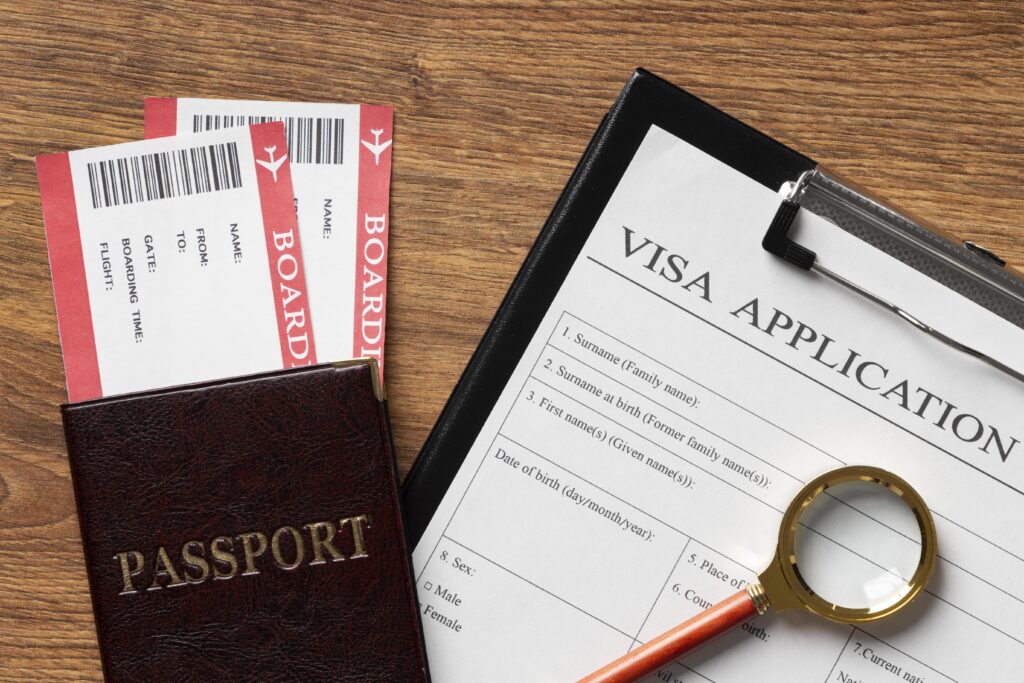
From 20 April, citizens of Tajikistan will have to obtain a visa to travel to the Republic of Turkey. That's according to a decree signed by Turkish President, Recep Tayyip Erdogan. The reasons for this decision remain unclear, but it's noted that the visa regime is a temporary measure. Entry documents will be issued in Dushanbe and at other Turkish diplomatic missions. Those traveling through Turkey in transit will not require a visa. Tajik Foreign Ministry spokesman, Shohin Samadi, said as of April 6, Dushanbe had not received an official notification from Turkey regarding the introduction of a visa regime. Nevertheless, he said, the issue of retaliatory measures for Turkish citizens is being worked out.  Up until this juncture, residents of the two countries could stay on the territory of the other for up to 30 days without a visa. Some Russian media rushed to link these innovations with the March 2024 terrorist attack at the Crocus City Hall, which killed 144 people and injured 551. Among the 11 people arrested on suspicion of the terrorist attack, the majority are citizens of Tajikistan. According to various sources, the cell of Islamic State (ISIS) in Afghanistan - also known as "Wilayat Khorasan" - which claimed responsibility for the incident, was training terrorists inside of Turkey. To that point, Turkish newspaper Hurriyet wrote that two supporters of ISIS who were planning to carry out a attack were detained in Istanbul. Among them was a 37-year-old citizen of Tajikistan. On March 26, Turkish Interior Minister, Ali Yerlikaya, said that 147 people were detained on suspicion of links with the terrorist organization. Following the attack on the Crocus City Hall near Moscow, Tajiks in Russia faced a wave of aggression and hatred. Tajikistan's Government is urging its citizens to avoid traveling to Russia unless necessary, and in light of possible Russian rule changes targeting migrant workers from Central Asia, many Tajiks and others may be ready to leave Russia.

Taliban and its Neighbors: A Regional Format for Overcoming Challenges in Afghanistan and Beyond

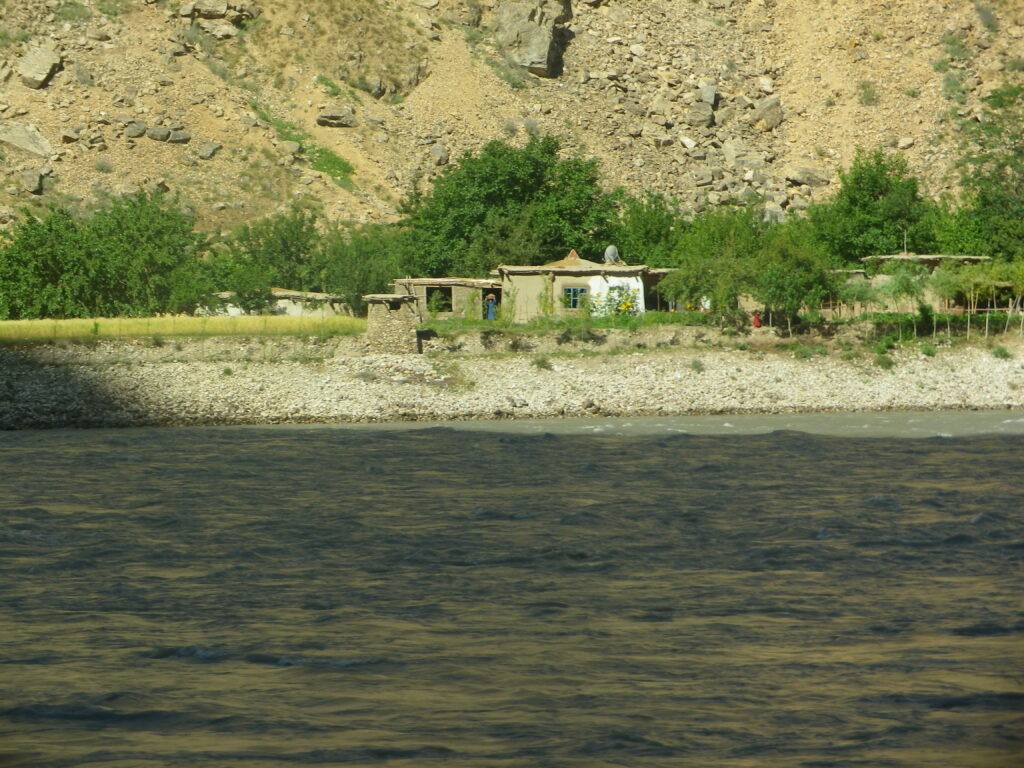
The process of making Afghanistan an independent economic entity that can work constructively within globally accepted economic standards and formats will require addressing pressing security issues as well as strengthening regional partnerships and cooperation. In the long term, this will not only benefit the people of Afghanistan but also its neighbors, as well as the Central Asian republics, who still need to realize their full transit and transport potential to best respond to the world’s changing needs in a new geopolitical environment. While there is currently emphasis on increasing bilateral trade, this in itself will not cure the economic and other problems ailing Afghanistan. Strategic infrastructure projects, in particular, will play a key role in ensuring the long-term economic stability of this country. The Taliban Government is already reaching out to regional neighbors in a new way since it regained power in 2021. Some of the existing regional cooperation structures can be molded to provide a platform for dialogue and collaboration with Afghanistan. Modern realities dictate to the region the need to quickly overcome existing differences in intra-regional relations and create a new model. To this end, the states in the region surrounding Afghanistan should build a system of coordinated and cohesive measures and approaches with security as a key consideration, bringing Afghanistan into the fold to serve mutual interests through regional development.   Rapprochement or a de facto relationship with regional states? Recently, the Taliban Government in Afghanistan has been fairly successful in developing cooperation with neighboring countries. It seems that, as opposed to focusing solely on isolation from the West, the current regime has chosen to start actively establishing ties with states in the region, placing the main emphasis of their foreign policy on regional governments who are more interested in pragmatism than ideological prerequisites when it comes to their affairs with Afghanistan. If, for Pakistan and Iran, various forms of cooperation with Afghanistan are historically understandable, then for the Central Asian republics, the Taliban’s openness to broader dialogue, along with the promotion of mutual economic interests, allows for the prospect of transforming the whole region into a fully-fledged, self-sufficient collective unit within the larger global system. To achieve this, Central Asian countries must still overcome narratives of the past, develop common approaches (including through regional formats), and practically see Afghanistan as a genuine partner. In the meantime, states in the region are largely acting intuitively rather than with a calculated strategic depth, or strictly weighing the benefits of building trade relations with Afghanistan’s new authorities. That said, regional players still follow different vectors and act according to their own circumstances despite a common desire to see a stable neighbor in Afghanistan. For Islamabad, for instance, the main trigger in relations with Kabul is the Pakistani Taliban, known as Tehrik-e-Taliban Pakistan, or TTP. Tehran, on the other hand, seeks to protect the Shiite minority in Afghanistan and see their participation in an inclusive government, but at the same time, builds dialogue with the Taliban, including on border security...

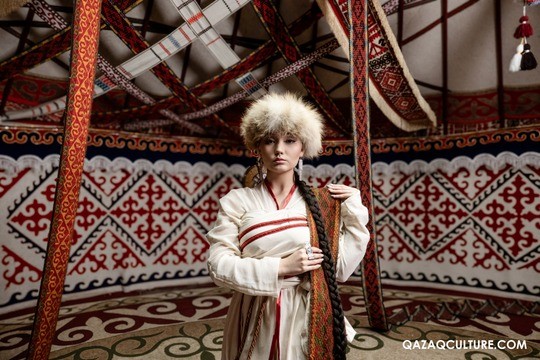
Qazaq Culture Portal Launched in Kazakhstan

In an enlightened new initiative to attract international attention to the country’s rich cultural and historical heritage, the Ministry of Culture and Information of Kazakhstan has supported the creation of an information and educational portal on Qazaq Culture. Available in the six official languages of the United Nations, as well as Kazakh and Turkish, the portal offers a unique and comprehensive insight into Kazakhstan’s many diverse regions. Visitors to the site will be afforded a virtual exploration of the country’s landmarks and attractions in the section, ‘Culture of Kazakhstan Through the Prism of Artificial Intelligence’, and delve deeper into its heritage by accessing source material and publications held in the Archive Fund of Kazakhstan. In addition to a cultural news blog covering a vibrant array of festivals, contests, film and theatre premieres, books, and art exhibitions, the website will feature a single ticket system for all the cultural facilities in Kazakhstan.