• KGS/USD = 0.01144 0%
  • KZT/USD = 0.00213 0%
  • TJS/USD = 0.10714 0.09%
  • UZS/USD = 0.00008 0%
  • TMT/USD = 0.28571 0%
  • KGS/USD = 0.01144 0%
  • KZT/USD = 0.00213 0%
  • TJS/USD = 0.10714 0.09%
  • UZS/USD = 0.00008 0%
  • TMT/USD = 0.28571 0%
  • KGS/USD = 0.01144 0%
  • KZT/USD = 0.00213 0%
  • TJS/USD = 0.10714 0.09%
  • UZS/USD = 0.00008 0%
  • TMT/USD = 0.28571 0%
  • KGS/USD = 0.01144 0%
  • KZT/USD = 0.00213 0%
  • TJS/USD = 0.10714 0.09%
  • UZS/USD = 0.00008 0%
  • TMT/USD = 0.28571 0%
  • KGS/USD = 0.01144 0%
  • KZT/USD = 0.00213 0%
  • TJS/USD = 0.10714 0.09%
  • UZS/USD = 0.00008 0%
  • TMT/USD = 0.28571 0%
  • KGS/USD = 0.01144 0%
  • KZT/USD = 0.00213 0%
  • TJS/USD = 0.10714 0.09%
  • UZS/USD = 0.00008 0%
  • TMT/USD = 0.28571 0%
  • KGS/USD = 0.01144 0%
  • KZT/USD = 0.00213 0%
  • TJS/USD = 0.10714 0.09%
  • UZS/USD = 0.00008 0%
  • TMT/USD = 0.28571 0%
  • KGS/USD = 0.01144 0%
  • KZT/USD = 0.00213 0%
  • TJS/USD = 0.10714 0.09%
  • UZS/USD = 0.00008 0%
  • TMT/USD = 0.28571 0%

Viewing results 637 - 642 of 961

Belgian Company Helps Open First Plant for Production of High-Quality Lime in Kazakhstan

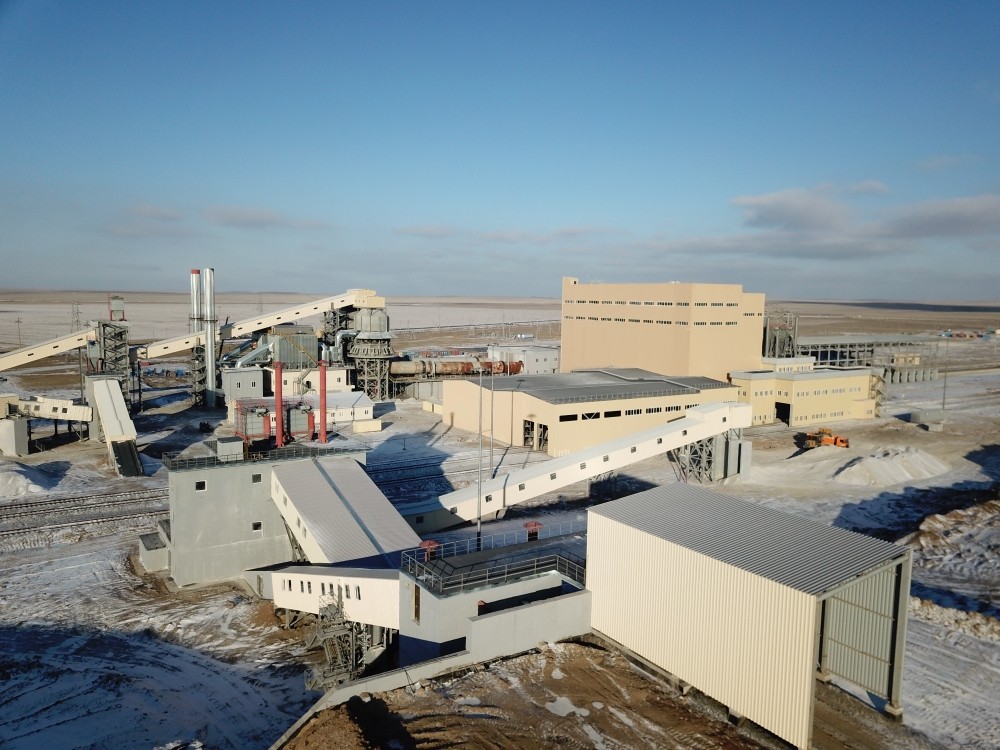
With the support of National Company, KAZAKH INVEST, Saryopan Operating company, together with the Belgian multinational company, Carmeuse Group, opened the first plant in Kazakhstan for the production of high-quality lime. The project's cost amounted to about 30 billion tenge ($65 million) and created more than 200 permanent jobs. Bauyrzhan Aitkulov, Director of the KAZAKH INVEST Project Department, attended the opening ceremony on December 15th. The enterprise's production capacity in the Saryopan field, Osakarovo district, Karaganda region, will amount to 330,000 tons annually. The plant's launch will completely replace the import of grade one lime to Kazakhstan and allow exports with added value. Access to domestic lime will increase the productivity of ferrous and non-ferrous metallurgy enterprises in the country. High-grade lime used for effective flue gas purification from CHP plants will significantly contribute to solving environmental problems in Kazakhstani cities, bringing coal plants in line with European standards. Aitkulov said that the national company has supported the project since 2018. He stressed that the plant's opening reflects the industry’s growth in the Karaganda region and the country's desire for environmentally sustainable development. The enterprise will be one of the most environmentally-friendly plants in Kazakhstan. The plant was built using ESG standards, and the dust cleaning system installed at the enterprise will provide a high degree of air purification.
Kazakhstan to Intensify Work to Attract Investment in Green Technologies

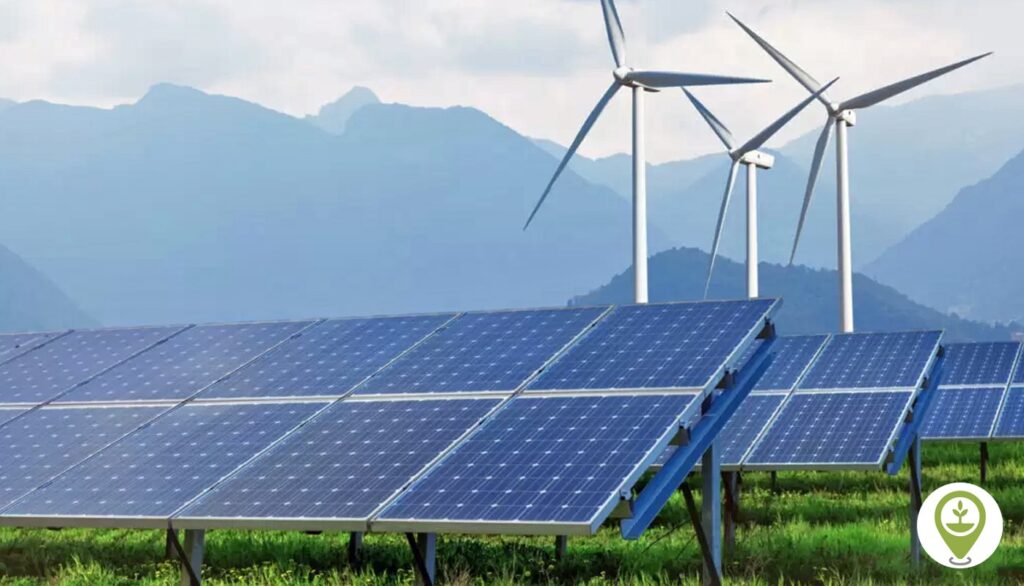
Issues of supporting new projects in the field of renewable energy were discussed on December 14th at a meeting of the Council for the Transition to a Green Economy, chaired by the Prime Minister of Kazakhstan, Alikhan Smailov. At the meeting, Madina Abylkasymova, Chairperson of the Agency of the Republic of Kazakhstan for Regulation and Development of the Financial Market, said that today the necessary legislative framework for the development of “green” finance has been created in Kazakhstan. A new Environmental Code has been adopted, and changes have been made for the issuance and circulation of green bonds and ESG bonds. The Prime Minister emphasized that a large-scale transformation of the economy requires, among other things, an increase in the volume of “green” investments. “To achieve carbon neutrality by 2060, financing in the amount of more than $600 billion is required. Therefore, it is necessary to intensify efforts to attract investments in green technologies,” said Smailov.

Kazakhstan Launches Modernized Water Pipeline in Atyrau and Mangystau Regions

On December 13th, Kazakhstan unveiled the modernized main water pipeline, Astrakhan-Mangyshlak, in its western Atyrau Region. The significant expansion of this facility was a result of comprehensive reconstruction, directed by President Tokayev's under the supervision of Kazakhstan's Prime Minister, Alikhan Smailov. The upgraded Astrakhan-Mangyshlak pipeline will provide an additional 60,000 cubic meters of water to the population, enterprises, and agriculture of Atyrau and Mangystau regions. The project includes the renewal of worn-out equipment and the replacement of two sections of the main pipeline, totaling about 177 km in length. As a result, the throughput capacity of the Astrakhan-Mangyshlak water pipeline increased from 110,000 to 170,000 cubic meters per day. "The reconstruction of the water pipeline was completed a year ahead of schedule due to accurate design solutions and rapid construction rates. This marks just one of many large-scale projects planned for the region," Smailov said. Additionally, a desalination plant capable of producing 50,000 cubic meters of water per day is currently under construction in the village of Kenderli. From this plant, a 105 km long main water pipeline will be built to Zhanaozen. Smailov further stated, "Our goal is not only to provide 100% of settlements with clean drinking water by 2026, but also to create a reliable framework for further sustainable water supply to the population and industries10. For this purpose, projects are being implemented to build new and modernize existing hydraulic structures and water conduits. Branching networks are being brought to settlements, and pumping modules from underground sources are being installed in remote villages. We have a lot of work ahead of us."

CAREC Countries Endorse New Vision to Fight Climate Change Together

Member countries of the Central Asia Regional Economic Cooperation (CAREC) program committed to working together to cut greenhouse gas emissions and build resilience to climate change. “We endorse the Regional Action on Climate Change: A Vision for CAREC to help countries implement their commitments under the Paris Agreement”, said a joint ministerial statement issued at the 22nd CAREC Ministerial Conference held on November 30th in Tbilisi. The statement was endorsed by ministers and high-level officials from Azerbaijan, the People’s Republic of China, Georgia, Kazakhstan, the Kyrgyz Republic, Mongolia, Pakistan, Tajikistan, Turkmenistan, and Uzbekistan. “I am confident this shared Vision will enhance the CAREC program’s impact on this most critical climate challenge facing the subregion”, said Asian Development Bank (ADB) President, Masatsugu Asakawa. “I look forward to concrete progress on bringing forward more climate projects - including in renewable energy, sustainable agriculture, efficient water use, economic diversification, and strengthening supply chains - to improve the region’s climate resilience and adaptation”. The Vision emphasizes the importance of energy transition and the improved use of renewable energy sources, strengthening the regional electricity trade, deploying innovative financing solutions, and investing in climate-resilient infrastructure and policies. It calls for strengthened collaboration and coordination with the program’s development partners in supporting the region’s climate agenda. A scoping study published earlier this year showed climate change is expected to have severe impacts in the CAREC region, including higher-than-average temperature rises, water scarcity, expanded desertification, and glacial melting. To address water issues in the region, CAREC will support countries to improve their expertise and capacities in transboundary water management, water productivity, and to invest in more efficient irrigation systems to boost agricultural productivity. CAREC will also support efforts to decarbonize transport and continue deepening regional connectivity with efficient transport technologies and infrastructure. Other priority areas include developing climate-smart cities with electrified mass transit systems and promoting climate and disaster resilience through regional risk management and financing initiatives. The CAREC program is a partnership of countries and development partners working together to promote sustainable development, accelerate economic growth, and reduce poverty. The ADB hosts the CAREC secretariat.

Kazakhstan and U.S. Issue Joint Statement on Methane Reduction

Kazakhstan and U.S. Issue Joint Statement on Methane Reduction The Special Representative of the President of the Republic of Kazakhstan for International Environmental Cooperation, Zulfiya Suleimenova, and Special U.S. Presidential Envoy for Climate Change, John Kerry issued a joint statement on accelerating methane reductions to meet the Global Methane Pledge (GMP). Kazakhstan and the United States declared their mutual commitment to accelerate the development and implementation of policies and projects to rapidly reduce methane emissions, especially in the fossil energy sector. Building on more than 30 years of successful partnership between Kazakhstan and the United States, this statement commemorated the fifth anniversary of the Enhanced Strategic Partnership between Kazakhstan and the United States and expanded opportunities for cooperation in the field of methane control. The statement: recognized the key role the two countries play in creating a greener, safer and better world; stressed the importance of rapidly reducing methane emissions by 2030 to limit global warming to 1.5 degrees Celsius; recognized the significant potential of the fossil energy sector to reduce methane emissions and the need to rapidly reduce emissions in this sector. The statement also served as a memorandum of understanding of the importance of voluntary action in promoting collective efforts to reduce global methane emissions; highlighted the need to seek to mobilize global action and strengthen support for existing international initiatives to reduce methane emissions through effective bilateral action; and recognized the critical participation of the private sector, development banks, financial institutions and international aid agencies in supporting the implementation of the Pledge.

Central Asia Particularly Vulnerable to Climate Risks, Primarily Due to Water Scarcity, Says EDB

By 2050, the available resources in the Syr Darya and Amu Darya basins – the region’s two largest sources of water - situated in southern Kazakhstan and along Uzbekistan’s southern border with Turkmenistan - could decrease by 10% to 15%. Water shortages inevitably impact the region’s agricultural sector, which relies on water as a critical factor in food production, the Eurasian Development Bank (EDB) has stated in a news release. The reduction in wheat yields in seven oblasts of Kazakhstan could result in direct economic losses exceeding U$1.2 billion by 2030. These concerns were highlighted by Conrad Albrecht, Managing Director and Head of the Directorate of Sustainability at the Eurasian Development Bank (EDB) during the recent Seventh North and Central Asia Multistakeholder Forum on the Implementation of the SDGs in Almaty. “Kazakhstan, being the only Eurasian nation to have implemented a carbon pricing system, faces the additional challenge of a potential carbon tax amounting to U$250 million. Most economies in the region rely heavily on carbon-intensive industries, necessitating a transition towards more sustainable production methods”, Albrecht said. He also pointed out that the region’s carbon dioxide (CO2) emissions significantly exceed its contribution to the global economy in terms of both GDP and population. However, countries such as Armenia, the Kyrgyz Republic, Tajikistan and Uzbekistan have a share of global CO2 emissions lower than their share of the world’s population, indicating that the region’s economies are critically carbon intensive. “All countries in the Eurasian region are taking climate change extremely seriously, acknowledge their direct contribution to the global agenda and are ready to make ambitious commitments to decarbonization”, Albrecht stressed. “Nevertheless, Central Asian countries still require substantial support from multilateral development banks, and while climate finance to the region is increasing, it remains significantly smaller compared to other low- and middle-income countries”.