• KZT/USD = 0.00224
  • TJS/USD = 0.10850
  • UZS/USD = 0.00008
  • TMT/USD = 0.29850
  • KZT/USD = 0.00224
  • TJS/USD = 0.10850
  • UZS/USD = 0.00008
  • TMT/USD = 0.29850
  • KZT/USD = 0.00224
  • TJS/USD = 0.10850
  • UZS/USD = 0.00008
  • TMT/USD = 0.29850
  • KZT/USD = 0.00224
  • TJS/USD = 0.10850
  • UZS/USD = 0.00008
  • TMT/USD = 0.29850
  • KZT/USD = 0.00224
  • TJS/USD = 0.10850
  • UZS/USD = 0.00008
  • TMT/USD = 0.29850
  • KZT/USD = 0.00224
  • TJS/USD = 0.10850
  • UZS/USD = 0.00008
  • TMT/USD = 0.29850
  • KZT/USD = 0.00224
  • TJS/USD = 0.10850
  • UZS/USD = 0.00008
  • TMT/USD = 0.29850
  • KZT/USD = 0.00224
  • TJS/USD = 0.10850
  • UZS/USD = 0.00008
  • TMT/USD = 0.29850
16 November 2026

Viewing results 49 - 54 of 50

Doctor Shortage in Turkmenistan’s Prisons

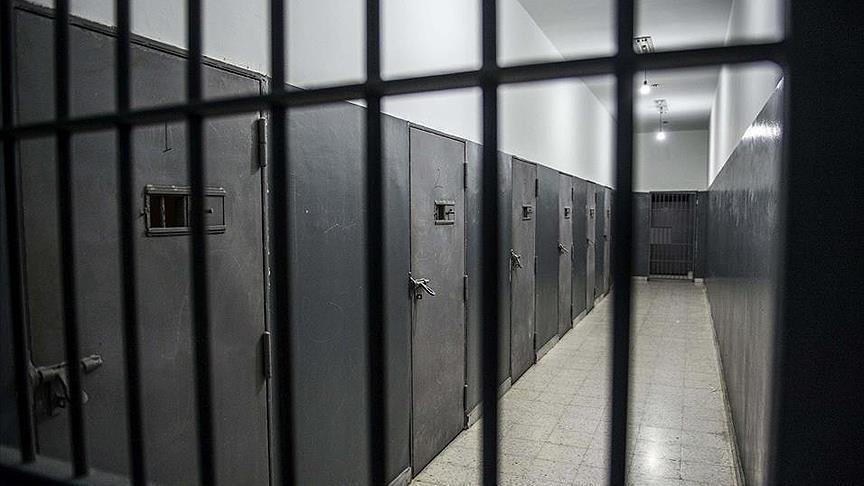
As outlined in a report in Turkmen Newsed, the Turkmenistan's Ombudsman Yazdursun Gubannazarova has recently published a paper highlighting concerns following visits to detention centres and meetings with prisoners in 2023. Throughout the past year, the Ombudsman conducted investigations in both the MR-E/14 detention centre and the MR-B/15 prison hospital in the Maryam region. The detention centre consists of two rooms with 160 and 150 beds, built in 1964 and 1984. Inspections showed that conditions in the dormitories required updating to meet modern sanitary and hygiene standards. Staffing in the prison hospital is a serious issue. Vacancies remain unfilled, creating a chronic shortage of medical personnel and on occasion, leaving inmates to administer their own injections and IVs (intravenous injections). Nevertheless, according to feedback on group and individual meetings with the hospital's prisoners,  “Except for the convicts' remorse and requests (for)parole, no complaints were made". It was a different situation in the prison. The Ombudsman reports that 562 written complaints were submitted in 2023: 457  by Turkmens, 65 by Uzbeks, 46 by Russians, and 13 by Azerbaijanis, 3 by  Tatars, 6 by Mordovians and Ukrainians, 2 by Persians, and one each by Armenians, Kazakhs, and Germans.  Requests for help from the Human Rights Ombudsman  from the  Baloch ethnic minority, who living in the Meri province, are frequent targets of violence, were either not received or ignored. Perhaps this is unsurprising given that only 17 of the complaints were addressed whilst the rest went ignored.


Kazakhstan Supplies Vital Radiopharmaceuticals to Kyrgyzstan

On 15 June, the Institute of Nuclear Physics in Almaty, Kazakhstan delivered a molybdenum-99/technetium-99 generator, used to diagnose cancer and heart diseases, to Kyrgyzstan. As reported by the Kazakh Ministry of Energy, the provision of the generator to Kyrgyzstan was organized in cooperation with the International Atomic Energy Agency (IAEA). The Institute of Nuclear Physics is the only organization in Kazakhstan certified to produce radiopharmaceuticals that comply with international standards. Today, the Institute produces some 75% of Kazakhstan’s radiopharmaceuticals supplied to medical institutions in the cities of Almaty, Shymkent, and Semey. The supply of radiopharmaceuticals to Kyrgyzstan marks an important step towards strengthening the healthcare system and the availability of advanced medical technologies for the country’s residents.