• KGS/USD = 0.01144 0%
  • KZT/USD = 0.00212 0%
  • TJS/USD = 0.10456 0.19%
  • UZS/USD = 0.00008 0%
  • TMT/USD = 0.28490 0%
  • KGS/USD = 0.01144 0%
  • KZT/USD = 0.00212 0%
  • TJS/USD = 0.10456 0.19%
  • UZS/USD = 0.00008 0%
  • TMT/USD = 0.28490 0%
  • KGS/USD = 0.01144 0%
  • KZT/USD = 0.00212 0%
  • TJS/USD = 0.10456 0.19%
  • UZS/USD = 0.00008 0%
  • TMT/USD = 0.28490 0%
  • KGS/USD = 0.01144 0%
  • KZT/USD = 0.00212 0%
  • TJS/USD = 0.10456 0.19%
  • UZS/USD = 0.00008 0%
  • TMT/USD = 0.28490 0%
  • KGS/USD = 0.01144 0%
  • KZT/USD = 0.00212 0%
  • TJS/USD = 0.10456 0.19%
  • UZS/USD = 0.00008 0%
  • TMT/USD = 0.28490 0%
  • KGS/USD = 0.01144 0%
  • KZT/USD = 0.00212 0%
  • TJS/USD = 0.10456 0.19%
  • UZS/USD = 0.00008 0%
  • TMT/USD = 0.28490 0%
  • KGS/USD = 0.01144 0%
  • KZT/USD = 0.00212 0%
  • TJS/USD = 0.10456 0.19%
  • UZS/USD = 0.00008 0%
  • TMT/USD = 0.28490 0%
  • KGS/USD = 0.01144 0%
  • KZT/USD = 0.00212 0%
  • TJS/USD = 0.10456 0.19%
  • UZS/USD = 0.00008 0%
  • TMT/USD = 0.28490 0%

Viewing results 1381 - 1386 of 3202

Kyrgyzstan Proposes to Fine Employers for Paying Wages in Cash

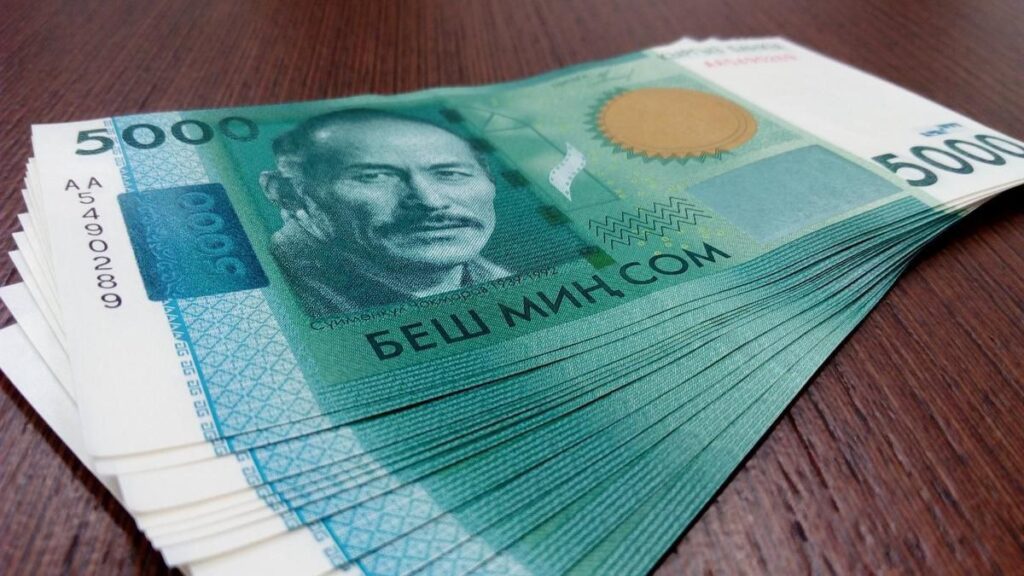
The Kyrgyz Ministry of Economy has proposed introducing fines for legal entities for paying salaries in cash. The relevant draft law has already been submitted to the parliament, the Jogorku Kenesh, for consideration. According to the law, wages shall be paid in non-cash form except in cases of force majeure, emergency, or disaster, as well as certain types of activities or in certain territories of the country. Employers who fail to fulfill the requirement to pay wages in non-cash form can be fined 5,000 soms ($59.2). The new article, proposed to the Code of Offenses, aims to combat the shadow economy and encourage the transition to non-cash payments. In general, the country has already developed several measures for this purpose. Among them is the installation of online cash registers in retail outlets and service enterprises. In 2022, about 65,000 online cash registers were installed in the country, a significant step towards transparency of financial flows. In addition, the government is utilizing tax incentives and developing an e-invoicing system, which helps track transactions and increase tax revenues.

Turkmenistan Among Ten Countries With Cheapest Gasoline

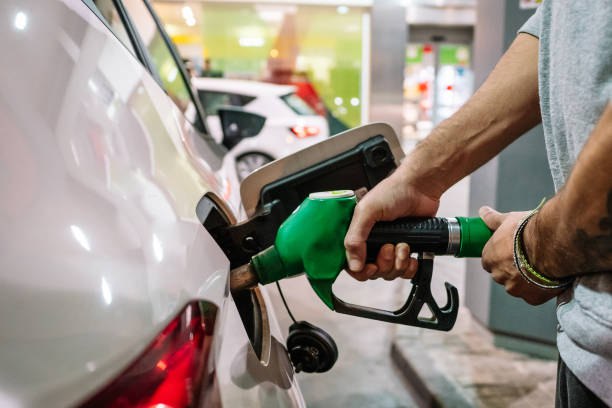
According to the Global Petrol Prices portal, the average price of gasoline worldwide is $1.21 per liter as of September 30, 2024. “However, there is a substantial difference in these prices among countries. As a general rule, richer countries have higher prices while poorer countries and the countries that produce and export oil have significantly lower prices,” the report explains. Iran, Libya, and Venezuela have the lowest diesel fuel prices. Singapore, Israel, Finland, Albania, Switzerland, Liechtenstein, Iceland, the Central African Republic, Monaco, and Hong Kong have the highest prices. The highest price is noted in Hong Kong, where one liter of gasoline is $3,279. Turkmenistan has the lowest oil prices among Central Asian countries. One liter of gasoline costs $0.429, making it among the top 10 countries in terms of low prices. In Kazakhstan, the price of one liter of gasoline is $0.508. In Kyrgyzstan, it is slightly higher—$0.880. The most expensive price in the region is in Uzbekistan, where the price of one liter of gasoline is $0.983. There is no information about the price of gasoline in Tajikistan.

U.S. Ready to Participate in Construction of Nuclear Power Plant in Kazakhstan

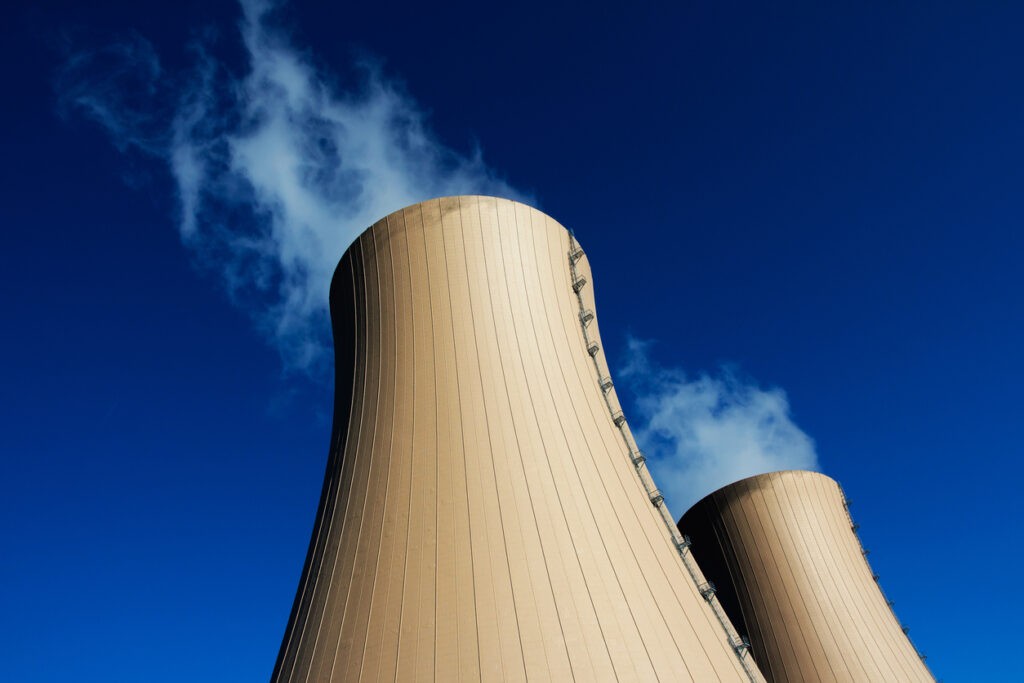
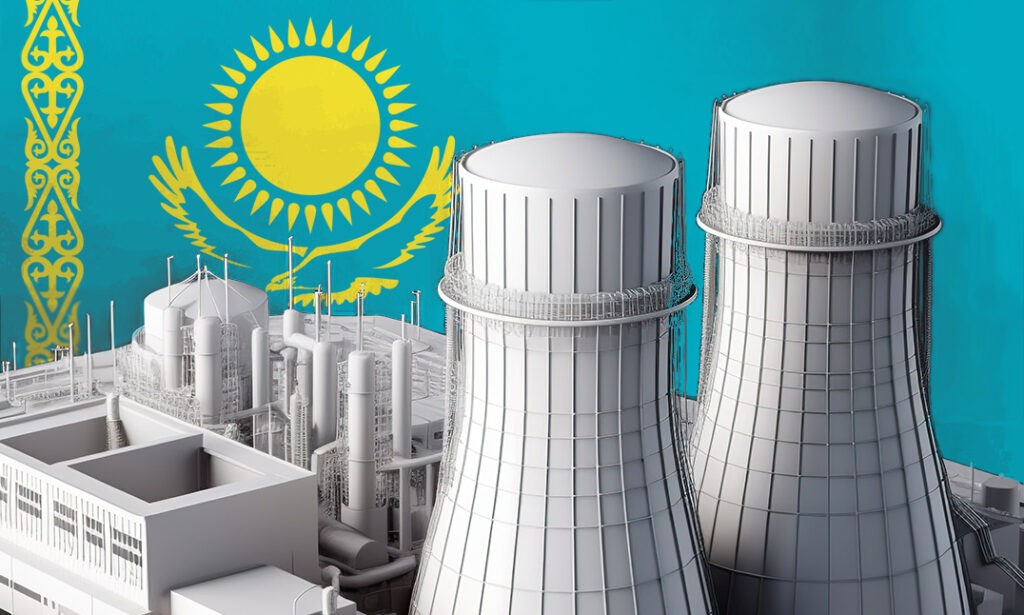
The U.S. has expressed its willingness to participate in constructing a nuclear power plant (NPP) in Kazakhstan. Senior Vice President of the U.S. Chamber of Commerce Khush Choksi made this statement during the visit of the U.S. business delegation to Almaty, Informburo.kz reports. “The U.S. has the best technologies for nuclear power plants. And we hope there will be an open tender, allowing American companies to participate,” said Choksi, answering journalists' questions. As The Times of Central Asia previously reported, the referendum on nuclear power in Kazakhstan was held on October 6. According to preliminary data, 71.12% of Kazakhstanis voted to build a nuclear power plant, but the official results have yet to be announced. Potential participants in constructing the nuclear power plant are also being discussed. Russia, China, France, South Korea, and France are among the countries that are considered suppliers of technologies for NPP construction. These states have proposed their projects, and the Kazakhstani authorities are considering them. It is expected that the winner may be an international consortium, and the final decision will be made based on technical and financial conditions. The preliminary cost of one NPP unit is estimated at $5 billion.

Price of Gasoline Set to Rise in Kyrgyzstan

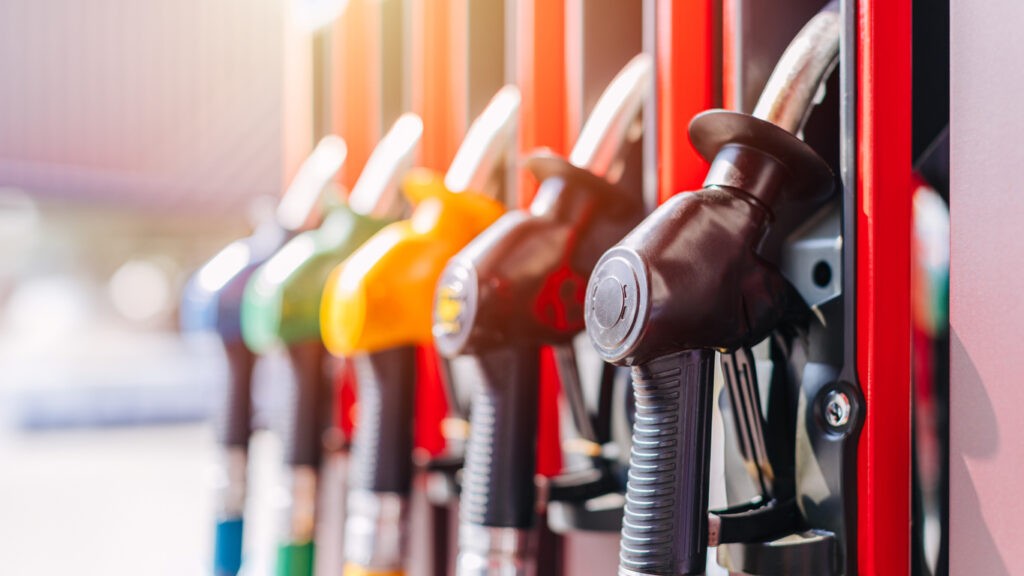
The Ministry of Transport and Communications of Kyrgyzstan has presented a bill, approved by parliament, introducing  new mark-ups on fuel and lubricants. Legislative changes to impose additional charges on each liter of gasoline sold at gas stations, are intended to accrue extra funds from motorists for road maintenance. In addition, a recycling fee will be introduced for processing automobile tires, alongside a fee for waste oil disposal, to be accumulated in a new Road Fund under the Finance Ministry. Other regulations introduced by the Cabinet of Ministers include the necessity for all gas stations to use unique markers for gasoline and diesel ; a move which the State Tax Service believes will ensure fuel production transparency and import accounting. The cost of such labeling is yet to be determined, and as stated by Kanat Eshatov, president of the Association of Oil Traders of Kyrgyzstan, “We don't know how much gasoline prices may go up. It will all depend on the size of these fees. Initially, they said that gasoline labeling, in general, would be free. Then, they said that it would be at the expense of oil traders. Today, we do not know the price of the marker, whether it will be stable or change, and whether it will be subject to stock exchange jumps or stability. The price of gasoline and its stability will depend on this." The cost of gasoline has been rising throughout the year, largely as a result of a general increase in prices and repairs at refineries in Russia, from which Kyrgyzstan receives a significant amount of fuel. Meanwhile, the State Antimonopoly Service of Kyrgyzstan reports that the situation in the market of fuels and lubricants in the country remains stable. Supplies of oil products to Kyrgyzstan are carried out without interruptions, and fuel reserves in the country are designed for 1.5-2 months.

EU and Turkmenistan Launch Coordination Platform of Trans-Caspian Transport Corridor

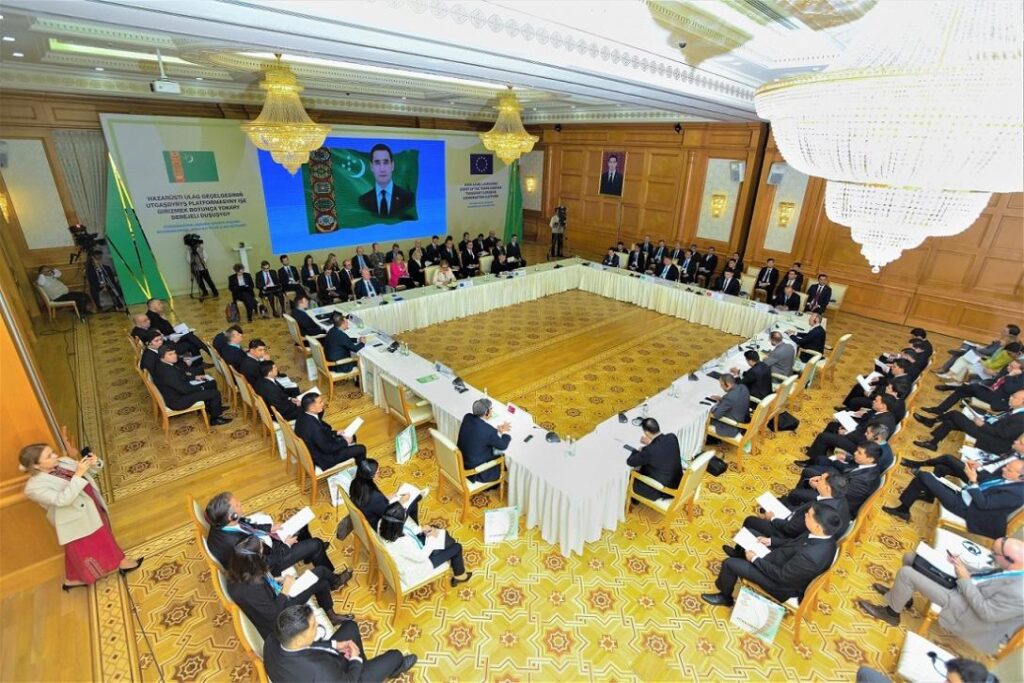
On October 3 in Ashgabat, the European Union and Turkmenistan launched the Trans-Caspian Transport Corridor Coordination Platform. The platform aims to strengthen connectivity by developing transport routes within Central Asia and the European Union. The event brought together the European Union, representatives of the countries along the Trans Caspian Transport Corridor in Central Asia, the South Caucasus, and Türkiye, and international financial institutions. The European Union delegation was led by European Commissioner for International Partnerships Jutta Urpilainen. As reported by the EU Delegation to Turkmenistan, the Trans-Caspian Transport Corridor is a flagship of the EU’s Global Gateway investment strategy, and the establishment of the Coordination Platform is one of the key deliverables of the Global Gateway Investors Forum for EU-Central Asia Transport Connectivity held in January 2024. European and international financial institutions at the Forum committed to mobilizing €10 billion for sustainable transport connectivity in Central Asia. The EU aims to work with partners towards a modern route that boosts trade and facilitates the flow of goods between Central Asia and Europe while driving economic development and regional integration. The platform's main role will be to promote the corridor and coordinate efforts to implement priority projects in hard and soft infrastructure in Central Asia. It will also coordinate with investments and activities in the South Caucasus and Turkey that are relevant to strengthening operational efficiency and seamless connections across the Trans-Caspian Transport Corridor. Urpilainen said: “Central Asia, as a region at the crossroads of Europe and Asia, plays a pivotal role in the EU Global Gateway investment strategy and connectivity vision. The Trans-Caspian Transport Corridor is a critical artery linking Europe and Asia, boosting trade, facilitating exchanges, and driving prosperity across our regions while ensuring improved connectivity, cooperation, and economic growth between all Corridor countries. Harnessing this potential will require massive infrastructure investments in the coming years; I am pleased to see governments from countries along the Corridor, key International Financing Institutions, EU Member States, G7 countries, and other partners coming together.” Urpilainen said that to the European Union, Turkmenistan is an important partner in Central Asia. She also emphasized the European Union's commitment to supporting Turkmenistan's transition to a sustainable, green economy while enhancing its business environment. The EU has further allocated €18 million to strengthen its partnership with Turkmenistan, highlighting its dedication to fostering sustainable development and economic growth.

Referendum for Nuclear Power in Kazakhstan Passes

Kazakhstan's nuclear energy referendum on October 6 passed with a 71.12 % majority, marking a pivotal shift in the country's energy strategy. The nation has faced significant challenges with an aging energy infrastructure and a reliance on Russia to fill the gaps. The decision comes with historical sensitivities as Kazakhstan continues to grapple with the legacy of Soviet-era nuclear tests that caused widespread harm. The referendum offered citizens a direct voice in shaping their energy future, reflecting both the urgency of addressing the country’s current needs and the deep-seated concerns over nuclear safety. On the referendum ballot, Kazakhstanis were asked, “Do you agree to the construction of a nuclear power plant in Kazakhstan?”. The voter turnout was high, according to the Central Referendum Commission, with 7,820,918 Kazakhstan citizens receiving ballots, amounting to a 63.87% voter turnout. The voter turnout for the referendum on the new constitution in Kazakhstan, held on June 5, 2022, was similarly high at 68.44%. As the world's largest uranium producer, Kazakhstan is well-positioned to leverage its rich resources to transition towards more sustainable energy solutions. President Kassym-Jomart Tokayev has emphasized the critical importance of nuclear energy, not only in meeting the immediate electricity needs amidst frequent power outages but also in aligning with global environmental commitments. At the Convention on Climate Change (COP28) held in Dubai on December 1, 2023, Tokayev made a Global Methane Pledge to reduce methane emissions by 30 percent by 2030. The nuclear power plant is expected to reduce Kazakhstan's reliance on fossil fuels, thus decreasing greenhouse gas emissions. Uzbekistan has already begun construction of a nuclear power plant 55km from the Kazakhstan border. Kyrgyzstan may also build a nuclear power plant in the Chui region, which is less than 300km south of the planned Kazakhstani plant in Ulken on Lake Balkash. International observers from the Shanghai Cooperation Organization (SCO), the Organization of Turkic States (OTS), and the Conference on Interaction and Confidence Building Measures in Asia (CICA) have all affirmed that the recent referendum was conducted in accordance with current legislation, describing it as open, free, and legitimate. Kazakhstan’s Deputy Foreign Minister Roman Vassilenko noted the participation of over 200 foreign journalists during the referendum, underscoring the transparency and openness of the voting process. Radio Free Europe, through its affiliate Azattyk, was critical of the referendum. An incident of ballot stuffing at a Turkestan poll station was reported, as were accessibility issues for the disabled voters in the Uralsk region. One observer witnessed a suspicious busload of voters in Turkestan. RFE correspondents reported difficulty in getting voter turnout results throughout the afternoon at a station in Karganda and Aktobe. With that in mind, the irregularities seem to be few and far between overall: The League of Young Voters, a vigilant group of local observers, identified a total of 20 technical violations across the country’s 10,249 polling stations. The referendum day proceeded without significant issues, shifting attention to Kazakhstan's urgent energy shortfalls. With the nuclear power plant expected to be operational in 2034,...