• KGS/USD = 0.01144 0%
  • KZT/USD = 0.00213 0%
  • TJS/USD = 0.10562 0%
  • UZS/USD = 0.00008 0%
  • TMT/USD = 0.28530 0%
  • KGS/USD = 0.01144 0%
  • KZT/USD = 0.00213 0%
  • TJS/USD = 0.10562 0%
  • UZS/USD = 0.00008 0%
  • TMT/USD = 0.28530 0%
  • KGS/USD = 0.01144 0%
  • KZT/USD = 0.00213 0%
  • TJS/USD = 0.10562 0%
  • UZS/USD = 0.00008 0%
  • TMT/USD = 0.28530 0%
  • KGS/USD = 0.01144 0%
  • KZT/USD = 0.00213 0%
  • TJS/USD = 0.10562 0%
  • UZS/USD = 0.00008 0%
  • TMT/USD = 0.28530 0%
  • KGS/USD = 0.01144 0%
  • KZT/USD = 0.00213 0%
  • TJS/USD = 0.10562 0%
  • UZS/USD = 0.00008 0%
  • TMT/USD = 0.28530 0%
  • KGS/USD = 0.01144 0%
  • KZT/USD = 0.00213 0%
  • TJS/USD = 0.10562 0%
  • UZS/USD = 0.00008 0%
  • TMT/USD = 0.28530 0%
  • KGS/USD = 0.01144 0%
  • KZT/USD = 0.00213 0%
  • TJS/USD = 0.10562 0%
  • UZS/USD = 0.00008 0%
  • TMT/USD = 0.28530 0%
  • KGS/USD = 0.01144 0%
  • KZT/USD = 0.00213 0%
  • TJS/USD = 0.10562 0%
  • UZS/USD = 0.00008 0%
  • TMT/USD = 0.28530 0%

Viewing results 1753 - 1758 of 3359

Turkmenistan Discusses Transit Logistics With Company From China’s Shandong

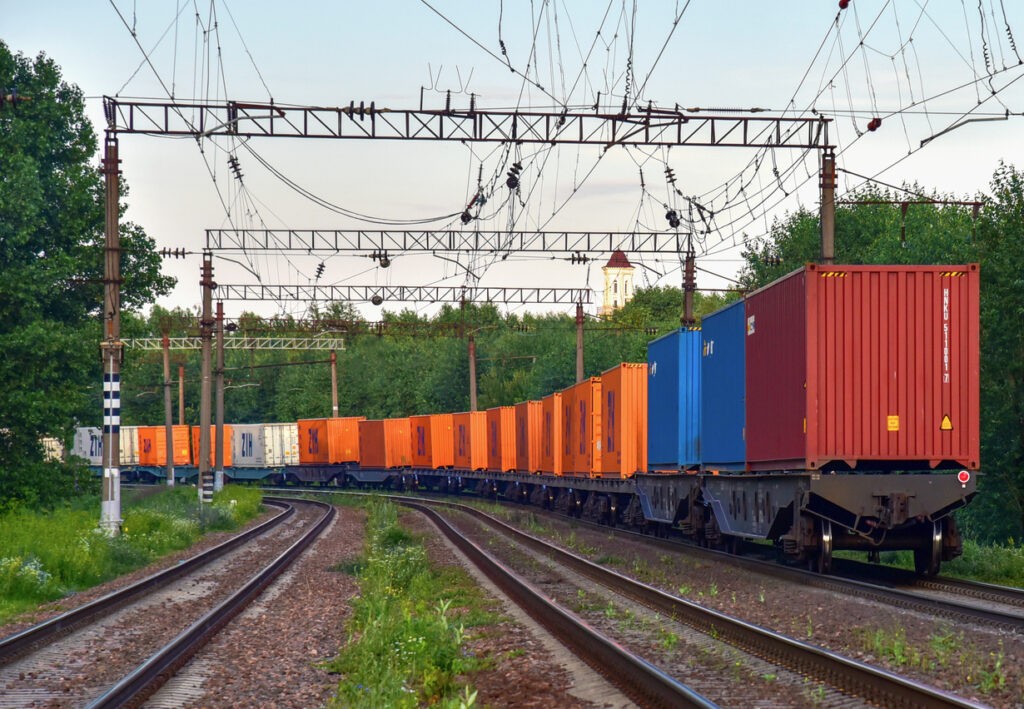
Ashgabat recently hosted a working meeting between representatives of the Turkmen Logistics Association and the Chinese logistics company Shandong Hi-Speed Qilu Eurasia Railway Logistics Co., a key operator in China's Shandong province. The two sides discussed prospects for cooperation in logistics, noting Turkmenistan's growing potential as an important transit hub. The country's convenient geographical location, and its active investment in the development of transport infrastructure -- including the automation of customs procedures and the use of modern equipment -- are reasons for a recent increase in the volume of cargo transportation through Turkmenistan. The Chinese delegation led by Liu Junfeng, head of the company's representative office in Uzbekistan and head of the branch in Kazakhstan, emphasized interest in strengthening cooperation with Turkmenistan. Shandong Hi-Speed Qilu Eurasia Railway Logistics Co. specializes in rail and road freight transportation and has representative offices in many countries.

Central Asia’s Water Crisis

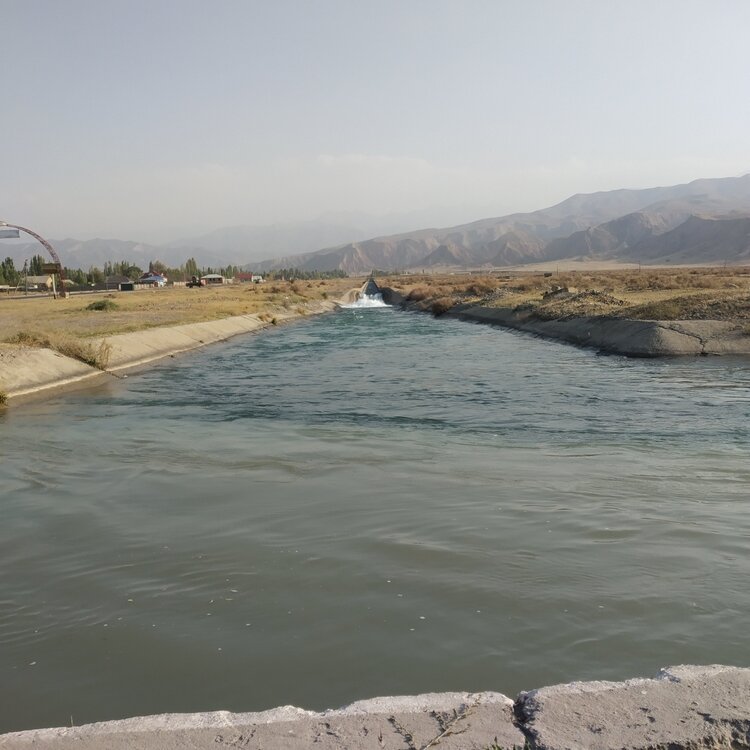
Over 80% of Central Asia’s available water is spent on irrigation, 40% of which is lost during delivery and directly in the fields. Over the coming years, the problem of water shortage will inevitably worsen and with the commission of the Qosh Tepa Canal in Afghanistan, will become chronic from 2028. The stark warning was issued by Evgeny Vinokurov, Eurasian Development Bank’s (EDB) Deputy Chairman of the Board and Chief Economist during the  “Water, Energy and Food in Central Asia: Partnerships and Projects for Sustainable Development” session at the EDB 2024 Annual Meeting and Business Forum on 27–28 June in Almaty. The challenges of the Central Asian water and energy complex are too great to be tackled independently by the region’s countries. Historically, Central Asia’s five states have been closely linked by the region’s two largest transboundary rivers, the Amu Darya and the Syr Darya which flow into the Aral Sea basin, home to 80% of the population. Hence, the need for close a intersectoral relationship (nexus) concerning water, energy and food and deep regional cooperation for the effective use of shared water and energy resources to overcome the crisis. At the session, Askhat Orazbai, Chairman of the Executive Committee of the International Fund for Saving the Aral Sea, stressed the central role played by IFAS in building essential regional dialogue. The Fund is the only regional organization with membership of all five Central Asian states and according to its mandate, was designed to address the region’s complex water-energy nexus. For over 30 years, the Fund has been the key platform for decisions on water resources management at the highest level. Currently being reformed, the Fund’s full potential will soon be fully unlocked. The session emphasized the urgent need for increased funding to deal with challenges posed by water scarcity. Modernization of the existing irrigation infrastructure is extremely capital-intensive but budgetary funds are inadequate and private investors have shown no interest in the sector. The contribution of multilateral development banks is therefore critical and encouragingly, over recent years, most of the region’s  MDBs have given special priority to water projects. The EDB's Chief Economist Vinokurov pointed out that conservation is key to solving the problem of water scarcity. Highlighting the importance of digital accounting and the introduction of effective irrigation technologies, Vinokurov suggested creating a regional cluster of irrigation equipment. Considering that the region spends from $150 million to $300 million annually on the above, the EDB plans to actively support this sector's development. Michael Detlefsen, a UNIDO representative, expressed confidence in the future formation of a regional cluster of irrigation equipment in Central Asia. Over the last two years, the region has seen increased activity from manufacturers from Turkey, China, Israel, and the United States on the organization of local assembly lines. In this regard, the UNIDO representative stressed the importance of working together with the EDB to form such a cluster.  

Kyrgyz Minister: Dependence on Western Technology to Blame for Russian Payment Ban

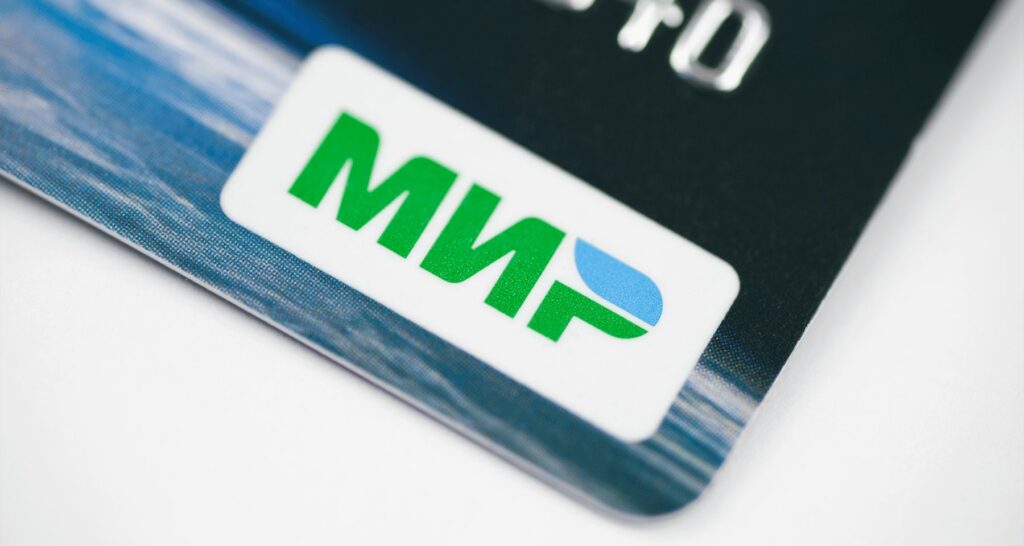
Kyrgyzstan's Minister of Economy and Commerce Daniyar Amangeldiev recently took part in an international industrial exhibition in Yekaterinburg, Russia. In an interview with Russian media, Amangeldiev said that Kyrgyzstan has faced problems because of its dependence on western technology. It is for this reason, he said, that the country had to suspend the service of Russian 'MIR' payment cards in April this year. MIR payment cards stopped being accepted in Kyrgyzstan at the request of Elkart, the Interbank Processing Center (IPC) that services the Kyrgyz payment system. Amangeldiev commented: "The sanctions applied to the Russian Federation are also reflected in our economy. The software on which "Elkart" is based belongs to European partners. We are forced to refuse service to MIR cards because it would have undermined our domestic payment system." Amangeldiev emphasized that Kyrgyzstan is currently developing its own payment software, which will allow payments using Russian cards. Kyrgyzstan's prime minister, Akylbek Japarov, has noted that a fully functioning payment system is needed most of all by Kyrgyz labor migrants working in Russia.

Will Kazakhstan Manage to Save the National Fund?

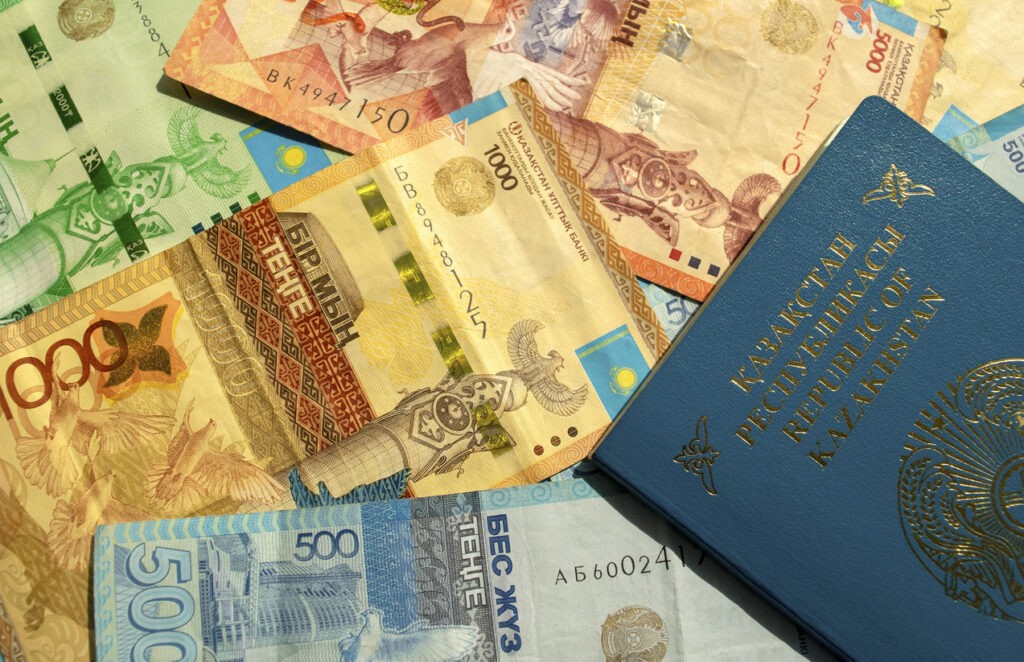
Experts report that Kazakhstan's National Fund has seen cumulative withdrawals of $100 billion over the past decade. The sovereign wealth fund, managed by the National Bank of the Republic of Kazakhstan, has often been used to meet state needs. Despite this, with the National Fund for Children program set to launch in 2024, President Tokayev has instructed an increase in its assets. The National Fund was established in 2000 by a decree from former President Nursultan Nazarbayev. It consolidates state assets held in the national bank account of the Republic of Kazakhstan. The fund's income is derived from two sources: tax receipts from the oil and gas sector and earnings from managing its assets. Starting in 2024, the National Fund for Children program will receive 50% of the fund's annual income. Business analyst Abzal Narymbetov explained that the fund's initial influx came from the sale of a 5% stake in the Tengiz oil field for $660 million in 2001. At its inception, the fund was intended to benefit future generations. However, various crises and management errors have frequently forced the government to dip into what is often called the "people's piggy bank." Likening the National Fund to a similar structure in Norway, Narymbetov states that the fund's accumulation peaked at more than $70 billion in 2014. "Since then, the NF has diverted money to 'urgent current needs,' such as bailing out commercial banks, supporting national companies, and filling holes in the state budget. At the moment, less than $60 billion remains in the fund. Kazakhstan began accumulating oil money with the production of 0.8 million barrels in 2001. Norwegian and Kazakh oil production has been in the same range of 1.8-2.0 million barrels for the last eight years. In other words, Kazakhstan and Norway have been producing in the same range for the last eight years; however, we spend significantly more. "For example, the Norwegian Petroleum Fund (renamed the state pension fund) was established by the government in 1990. Money was first invested in 1996, but the first figures that can be traced are $23 billion in 1998. The oil money, in my opinion, has been wisely invested in different assets. As a result, it has reached a record level of $1.4 trillion today," said Narymbetov. The analyst pointed to research by economists indicating that if money from the National Fund of Kazakhstan had not been used for current spending needs, it would now exceed $150 billion. He also cited a study suggesting that if oil prices drop to $30 per barrel, the fund's reserves could be depleted within five years. Twenty years ago, Kazakhstan had high expectations for the National Fund, hoping it would act as a financial savior during crises and provide support for young citizens. In 2022, President Tokayev announced plans to increase the National Fund's assets to $100 billion. "Everything that rightfully belongs to the people of Kazakhstan will serve their interests. For this purpose, we will ensure effective fund management and enhance its investment income,"...

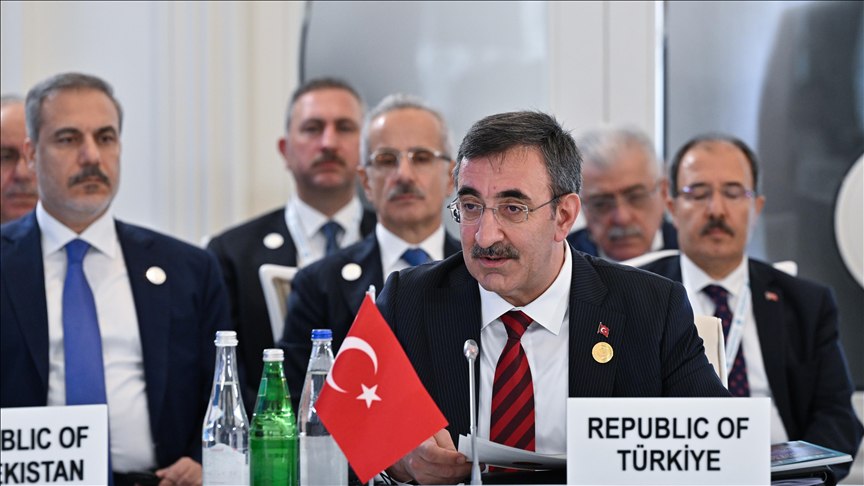
Turkish Vice President: Turkmen Gas Supplies Via Turkey Will Help Ensure Energy Security in Europe

Turkish Vice President Cevdet Yilmaz has said that Turkmen gas supplies through Turkey will contribute to the country's national welfare and ensure Europe's energy security. This was said during his speech at the informal summit of member states of the Organization of Turkic States (OTS) in Azerbaijan. "The transportation of trans-Caspian resources, especially Turkmen natural gas, to Turkey and Europe will contribute to our national welfare and security. We are pleased with establishing an energy mechanism within the framework of the OTG and the publication of contact projects," Yılmaz said. According to him, the Organization will further strengthen ties between Turkic states as the world's economic centers of gravity change and the importance of Turkic geography increases. "The work that will be done in our countries to develop the Middle Corridor will both strengthen our cooperation and show the global role of the Turkic world," the Vice President emphasized.

World Bank Establishes Permanent Office in Tajikistan

The World Bank has opened a permanent representative office in Tajikistan this month. ASIA-Plus reports that Ozan Sevimli, who had been the bank's country manager for Tajikistan since 2021, has been appointed the head of the office. In Tajikistan the World Bank Group works to ensure reliable electricity and water supply, improve roads and transportation infrastructure, improve education and health care systems, increase food security, and create conditions for private sector growth and institutions of good governance and public administration. As part of his role, Sevimli will manage programs in Tajikistan being run by the International Bank for Reconstruction and Development, International Development Association, International Finance Corporation, and the Multilateral Investment Guarantee Agency in Tajikistan. This will provide a single point of contact for access to the full range of World Bank Group products and services. Upon his appointment, Sevimli commented: "Tajikistan faces challenges ranging from institutional challenges and constraints in human capital development to the negative impact of climate change on the economy and people's livelihoods. The combined leadership of the WB Group will enable a more holistic approach to projects."