• KGS/USD = 0.01144 0%
  • KZT/USD = 0.00210 0%
  • TJS/USD = 0.10454 -0.1%
  • UZS/USD = 0.00008 0%
  • TMT/USD = 0.28571 0.28%
  • KGS/USD = 0.01144 0%
  • KZT/USD = 0.00210 0%
  • TJS/USD = 0.10454 -0.1%
  • UZS/USD = 0.00008 0%
  • TMT/USD = 0.28571 0.28%
  • KGS/USD = 0.01144 0%
  • KZT/USD = 0.00210 0%
  • TJS/USD = 0.10454 -0.1%
  • UZS/USD = 0.00008 0%
  • TMT/USD = 0.28571 0.28%
  • KGS/USD = 0.01144 0%
  • KZT/USD = 0.00210 0%
  • TJS/USD = 0.10454 -0.1%
  • UZS/USD = 0.00008 0%
  • TMT/USD = 0.28571 0.28%
  • KGS/USD = 0.01144 0%
  • KZT/USD = 0.00210 0%
  • TJS/USD = 0.10454 -0.1%
  • UZS/USD = 0.00008 0%
  • TMT/USD = 0.28571 0.28%
  • KGS/USD = 0.01144 0%
  • KZT/USD = 0.00210 0%
  • TJS/USD = 0.10454 -0.1%
  • UZS/USD = 0.00008 0%
  • TMT/USD = 0.28571 0.28%
  • KGS/USD = 0.01144 0%
  • KZT/USD = 0.00210 0%
  • TJS/USD = 0.10454 -0.1%
  • UZS/USD = 0.00008 0%
  • TMT/USD = 0.28571 0.28%
  • KGS/USD = 0.01144 0%
  • KZT/USD = 0.00210 0%
  • TJS/USD = 0.10454 -0.1%
  • UZS/USD = 0.00008 0%
  • TMT/USD = 0.28571 0.28%

Viewing results 1819 - 1824 of 3175

CASCA+ Transport Corridor Freight Transit

Representatives of the railway administrations of Uzbekistan, Kyrgyzstan, Turkmenistan, Azerbaijan, Georgia, and Turkey convened in Tashkent on May 28 and 29 to discuss the development of freight transportation along the CASCA+ transport corridor. CASCA+ is a joint initiative of the state railways of Azerbaijan, Georgia, Kyrgyzstan, Turkmenistan, Turkey, and Uzbekistan. The “+” sign indicates a willingness to accept new potential participants in achieving the goal to connect transport routes to Southeast Asia, particularly China, with Europe. As reported by Uzbekistan’s Ministry of Transport, the agenda focused on projects to develop the CASCA+ transport corridor, with representatives of all railway administrations supporting the Uzbekistan Railways’ initiative to create a consortium to coordinate related activities. Proposals were also forwarded to establish the safe transportation of perishable goods such as fruit and vegetables in refrigerated containers along the CASCA+ corridor and to create an online monitoring system for the location of wagons and containers travelling along the route. The emphasis on refrigerated transportation  aligns with recommendations made in March by President Shavkat Mirziyoyev at a government meeting on increasing Uzbek agricultural exports.    
Deutsche Bank Loans €165 Million to Uzbekistan’s Uzpromstroybank

The Uzbek bank Uzpromstroybank has received a loan of €165 million ($180 million) from Germany's Deutsche Bank. Gazeta.uz reports that “The funds will be used to create new jobs, including the production of industrial and construction materials, as well as to finance medium-sized business projects with the involvement of foreign investors in Uzbekistan.” The country's president Shavkat Mirziyoyev has tasked commercial banks with attracting foreign investments and supporting clients' investment projects by expanding external financing sources.

First Meeting of Central Asia – GCC Investment Forum

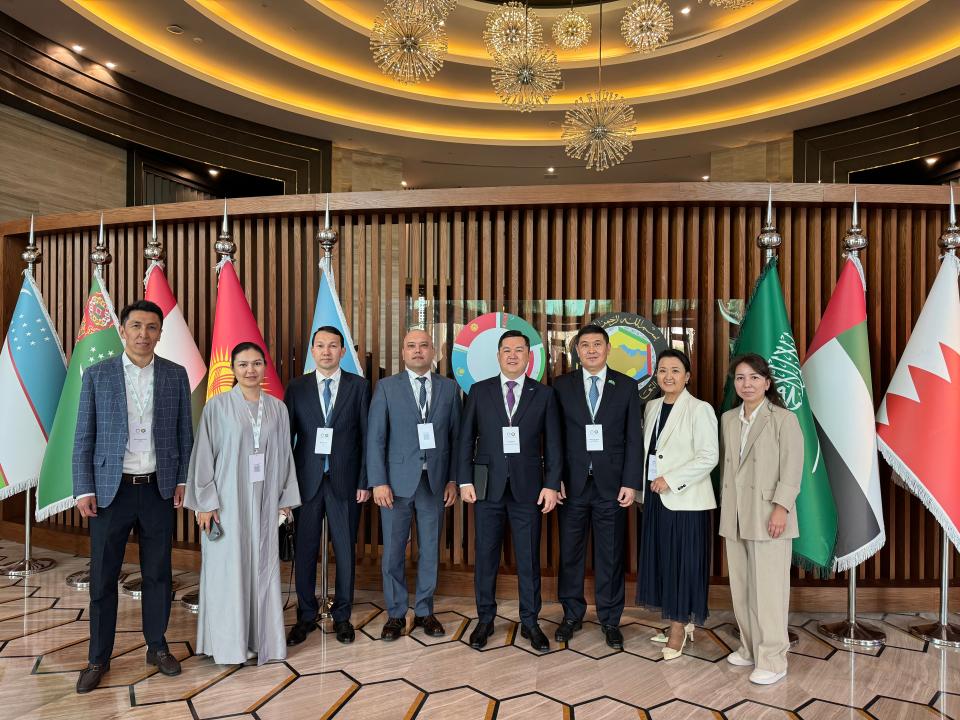
The Central Asia – GCC Investment Forum met for the first time in Saudi Arabia’s capital Riyadh on 29 May. The Gulf Cooperation Council (GCC) is a political and economic alliance of six Middle Eastern countries: Saudi Arabia, Kuwait, the United Arab Emirates, Qatar, Bahrain, and Oman. The forum provided opportunities for representatives of Central Asian governments and business sectors and GCC countries to present economic and investment proposals, exchange views on issues concerning bilateral and multilateral cooperation, and discuss the implementation of strategically important projects in various fields. Delegates also participated in thematic panel sessions focusing on agriculture and food security, mining and metals industry, development and infrastructure, renewable and green energy. Kazakhstan’s Foreign Ministry, the Governor of the Astana International Financial Centre (AIFC) Renat Bekturov, noted the strategic importance of intensifying cooperation between the public and private sectors of the two regions. In his remarks, he emphasized the enormous potential of the Gulf market for strengthening trade and economic relations with Kazakhstan, as well as the unlimited prospects for expanding investment partnerships. With regard to other sectors, Bekturov spoke of the significant opportunities for Central Asian and GCC countries to expand collaboration in green energy, food security, transport and logistics, mining, petrochemicals, agriculture, finance, and tourism.    

Mixed Reaction to Uzbekistan’s New Fruit Export Policy

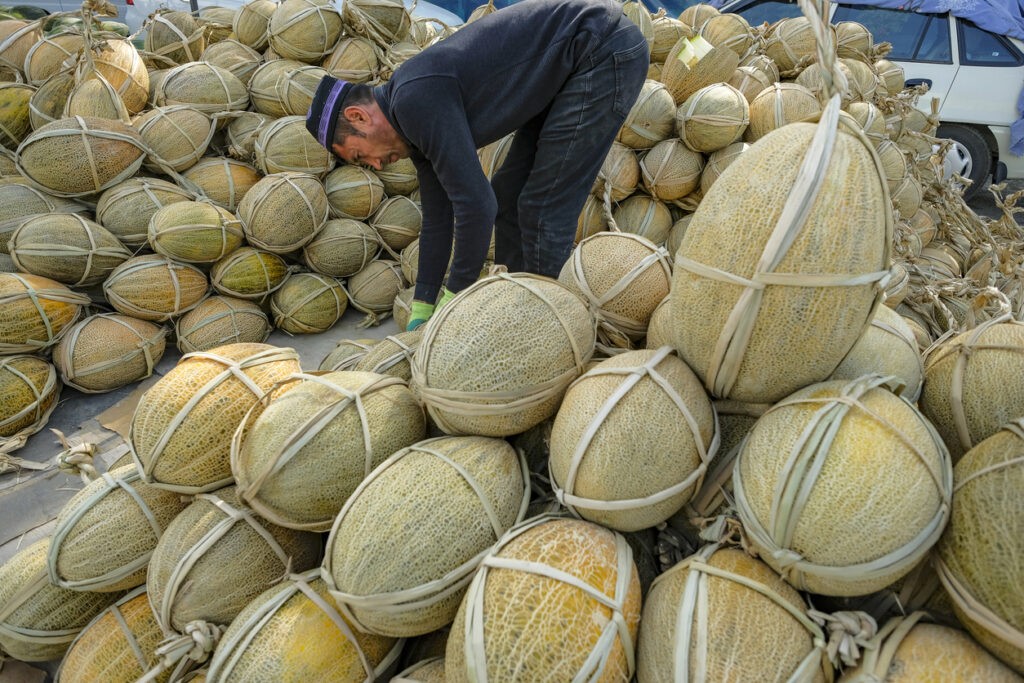
Uzbekistan's cabinet of ministers has introduced 'recommended' export prices for 60 types of fruits and vegetables, below which their distribution abroad is now prohibited. While this move is intended to support exporters, analysts from the agency EastFruit say that it will harm exports, risk long-term cooperation, and that the new measures will not increase tax revenues or improve currency control. A recent article by EastFruit states: “Notably, these prices are fixed for the produce irrespective of quality, variety, or other differentiating factors, which disregards the inherent diversity within the fruit and vegetable industry. Historical trends indicate that such regulatory decisions are detrimental across the board. They primarily affect producers and small-scale exporters by limiting their market opportunities. This restriction not only diminishes investment appeal in agricultural production but also detracts from Uzbekistan’s attractiveness as a trading partner for major, established importers. The introduction of such direct controls makes the prospect of long-term contractual partnerships exceedingly precarious”. Uzbek economist Otabek Bakirov described this decision as “another bureaucratic hurdle for exporters”. “These rules make doing business worse, so the new rules should come into force at least 3 months after they are announced. Or will the Government’s decision prevail over the Law once again?” wrote the economist on his Telegram channel. Analysts also note that Uzbekistan’s exports have stagnated due to Russia's ban on importing fruits and vegetables from most countries. Export figures have remained almost unchanged over the past five years, ranging from $700 million to $900 million. Russia (26.3%), Pakistan (24.2%), Kazakhstan (13%) and China (9.3%) are the main export markets for fruit and vegetable products.

Mining Output Grows in Tajikistan

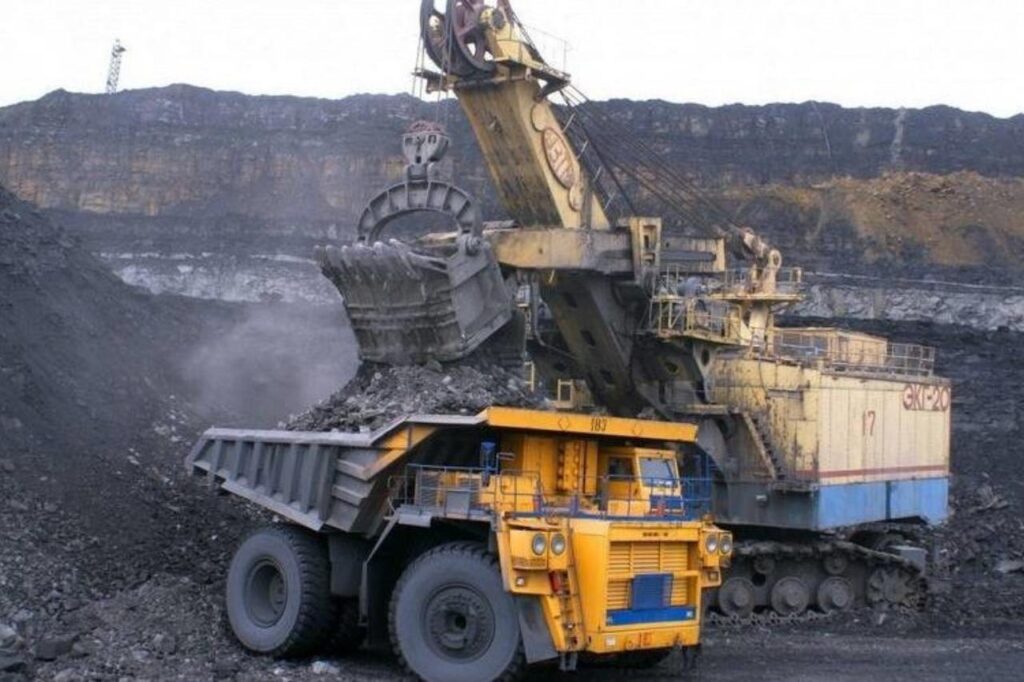
Mining output in Tajikistan has grown by more than 18% over the past year. Enterprises in the mining and precious metals industry for the first four months of 2024 produced quantities worth 4.3 billion somonis ($398.6 million), which is 667 million somonis ($61.7 million) or almost 19% more than the same period in 2023, Sputnik has reported. According to Muhammadvalishokh Makshulov, a spokesman from the ministry of industry and new technologies, the demand depends primarily on increasing enterprises' capacity and creating new directions in their work. According to the ministry, last year the company Zarafshon launched a metallurgical plant to produce metallic copper, built on the most modern technologies in the world, thanks to the acquisition of more than $119 million. Also, on 5 July 2023, the enrichment plant of TVEA Dushanbe Mining Industry LLC, with a capacity of processing 900,000 tons of ore per year in the Ayni district of the Sughd region, started operating. This company started production at two mines: Kumargi Bolo and Duobai Sharqi. The first mine is located at an altitude of almost 4,000 meters, and the second is at 2,300 meters. Last year, with the attraction of $43 million in foreign capital, construction began on the second stage of a metallurgical plant to produce lead, silver, and copper for the Tajik-Chinese mining and industrial company. Currently 21 companies are engaged in the mining and processing of minerals and precious metals in Tajikistan, seven of which are active due to Chinese investments. About 12,500 people work in the business of mining and processing minerals and precious metals. Of these, 11,500 are Tajik citizens, and the rest are Chinese.

Uzbekistan Moving Closer Towards WTO Membership

Uzbekistan is accelerating its efforts to join the World Trade Organization (WTO). “Uzbekistan remains steadfast in its commitment to joining the World Trade Organization, and we are diligently exerting every possible effort to make meaningful progress,” the country's deputy prime minister Jamshid Khodjaev has said. Khodjaev is also the chair of Uzbekistan's commission on WTO accession. The South Korean ambassador to the United Nations and other international organizations in Geneva, Yun Seong Deok, is a prominent supporter of the country's move towards WTO membership, commenting that “the tone of engagement on both bilateral and multilateral tracks has improved substantially.” Since the commission's seventh meeting, Uzbekistan had adopted several legal acts to align its trade regime with WTO rules in various areas, including on state duties for company registration, intellectual property rights, technical barriers to trade, sanitary and phytosanitary measures, and customs valuation.