• KGS/USD = 0.01144 0%
  • KZT/USD = 0.00202 0%
  • TJS/USD = 0.10448 -0.19%
  • UZS/USD = 0.00008 0%
  • TMT/USD = 0.28490 0%
  • KGS/USD = 0.01144 0%
  • KZT/USD = 0.00202 0%
  • TJS/USD = 0.10448 -0.19%
  • UZS/USD = 0.00008 0%
  • TMT/USD = 0.28490 0%
  • KGS/USD = 0.01144 0%
  • KZT/USD = 0.00202 0%
  • TJS/USD = 0.10448 -0.19%
  • UZS/USD = 0.00008 0%
  • TMT/USD = 0.28490 0%
  • KGS/USD = 0.01144 0%
  • KZT/USD = 0.00202 0%
  • TJS/USD = 0.10448 -0.19%
  • UZS/USD = 0.00008 0%
  • TMT/USD = 0.28490 0%
  • KGS/USD = 0.01144 0%
  • KZT/USD = 0.00202 0%
  • TJS/USD = 0.10448 -0.19%
  • UZS/USD = 0.00008 0%
  • TMT/USD = 0.28490 0%
  • KGS/USD = 0.01144 0%
  • KZT/USD = 0.00202 0%
  • TJS/USD = 0.10448 -0.19%
  • UZS/USD = 0.00008 0%
  • TMT/USD = 0.28490 0%
  • KGS/USD = 0.01144 0%
  • KZT/USD = 0.00202 0%
  • TJS/USD = 0.10448 -0.19%
  • UZS/USD = 0.00008 0%
  • TMT/USD = 0.28490 0%
  • KGS/USD = 0.01144 0%
  • KZT/USD = 0.00202 0%
  • TJS/USD = 0.10448 -0.19%
  • UZS/USD = 0.00008 0%
  • TMT/USD = 0.28490 0%

Viewing results 1963 - 1968 of 2928

Kazakhstan to Extend Voluntary Oil-Production Cut at 82,000 Barrels Per Day

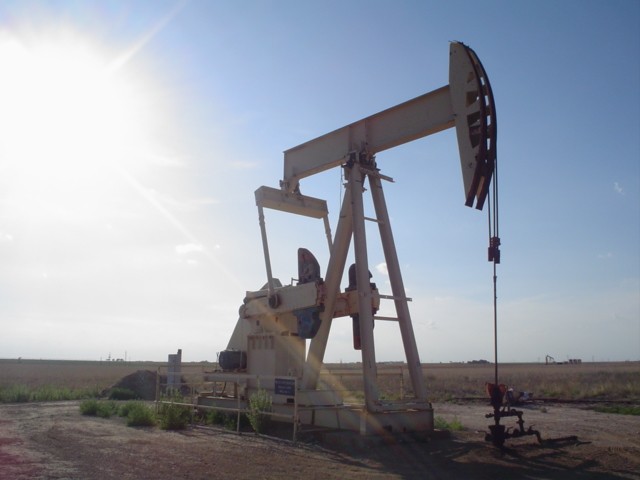
Kazakhstan has decided to extend the voluntary reduction in oil production through the end of the second quarter of 2024 to preserve the supply-demand balance and ensure the sustainability of oil markets, according to a statement from representatives of the Kazakh Ministry of Energy. Under this prolonged initiative, oil production in Kazakhstan will amount to 1.468 million barrels per day (bpd) until the end of June 2024. Subsequently, these volumes will be returned in order to maintain market stability. Previously, Kazakhstan had already agreed to a similar initiative: in April last year, it undertook a voluntary reduction in oil production by 78,000 bpd. The extension of additional voluntary oil production cuts was also announced by almost all OPEC+ member countries. The output restrictions, which came into effect on January 1 and amount to about 2 million barrels per day, will remain in effect until the end of June. Saudi Arabia announced a further extension to its voluntary oil production cut of one million barrels per day which was initiated last July. By June 2024 of the restriction period, Saudi Arabia's oil production will be at its lowest level since 2011 - 9 million barrels per day. Russia also announced the prolongation of additional oil production cuts. In the second half of the year, Russia intends to limit its production and exports by a total of 471,000 barrels per month. In April, Russia will reduce production by 350,000 barrels and exports by 121,000 barrels; in May by 400,000 barrels and 71,000 barrels, respectively; and in June only production will be reduced by 471,000 barrels for the month. The voluntary extension of output restrictions was also supported by other member states, namely the UAE, which reduced daily oil production by 163,000 barrels. Kuwait will hold its oil production lower by 135,000 barrels per day; Algeria reduced oil production by 51,000 barrels per day, and Oman by 42,000. According to the Iraqi News Agency, Iraq will withhold production to the tune of 220,000 bpd in the first half of 2024, and targets a production rate at the end of June 2024 at four million bpd. In January of this year, the country's oil production, according to OPEC data, amounted to 4.194 million bpd.

Foreign IT Companies Earned Over $50 Million in Uzbekistan Last Year

Foreign IT companies who pay tax in Uzbekistan almost doubled their profits last year. That's according to statistical data published by the Uzbek State Tax Committee. In 2023 their total profit amounted to $50.8m. There are currently 57 foreign firms providing internet and IT services in the country. In 2023 alone the list grew by 17 -- including the Singaporean company TikTok PTE LTD. TikTok has been blocked in Uzbekistan since July 2021 for violating the law on personal data, which requires that data servers must be located in Uzbekistan. Compared to 2022, the taxes paid by foreign IT companies to the Uzbek budget increased by 56.2%. The lion's share of payments falls on tech giants such as Facebook parent company Meta ($2.114m), Google ($1.6m), Apple ($1m) and Amazon ($176,000). Booking.com, Netflix, Xsolla, Zoom, Yandex and Adobe Systems make up the top ten. Foreign companies providing internet services in Uzbekistan have paid taxes in the country since 2020. Blogger and co-founder of the business publication Spot.uz Temurmalik Elmuradov notes that recently in Uzbekistan "the digital market is growing, and people's consumer habits are changing. There are more people willing to pay for movies and TV series rather than search for them on free online [movie sites]." In February, president Shavkat Mirziyoyev received a presentation on key strategic reforms for 2024, according to which over the past 10 years the volume of services in the telecom sector has grown 6.5 times -- and the coverage of the population with mobile internet has risen to 98%. As part of the reforms, among other things, there is a plan to give bandwidth providers direct access to the international internet channel. That means that an independent regulator of telecommunications should appear in the country by September 1. As of today, almost all Uzbek internet providers get access through the International Packet Switching Center of Uzbektelecom.

Kazakhstan, Lithuania to Launch Joint Container Transportation Program

Kazakhstan and Lithuania plan to link up from afar to carry out container transportation on the Trans-Caspian International Transport Route (TCITR). The two sides agreed on the plan in Vilnius at the 14th session of the Kazakhstan-Lithuanian Intergovernmental Commission on Trade & Economic Cooperation. "The event also included a meeting of the Kazakhstan-Lithuanian mixed commission on international road transportation with the participation of representatives of the Ministry of Transport of Kazakhstan, the Union of Transport Workers of Kazakhstan, Kazlogistics, where an agreement was reached on the quota of permits for 2024," the press service of the Ministry of Trade and Integration of Kazakhstan said in a statement. "We offer the Lithuanian side cooperation in launching container transportation between our countries within the framework of the Trans-Caspian International Transport Route (TCITR). In addition, taking advantage of this opportunity, we invite all Lithuanian companies to participate in the New Silk Way transport forum, which is planned to be held in October this year in Astana," said Almaz Aisin, a representative of the Kazakh delegation. During the talks, the Kazakh side informed its Lithuanian partners about the prospects and possible measures that may be taken for development of the TCITR -- while emphasizing that in recent years the TCITR has attracted great attention from European companies. As of October 2023, the trade turnover between Kazakhstan and Lithuania for the previous 12 months increased by 28.7% annually to $584.3m. Last year, the countries reached an agreement to increase the export potential of Kazakh products across 70 categories worth $350.5m.

Qaz Steppe Innovation Hub Opens in Dubai

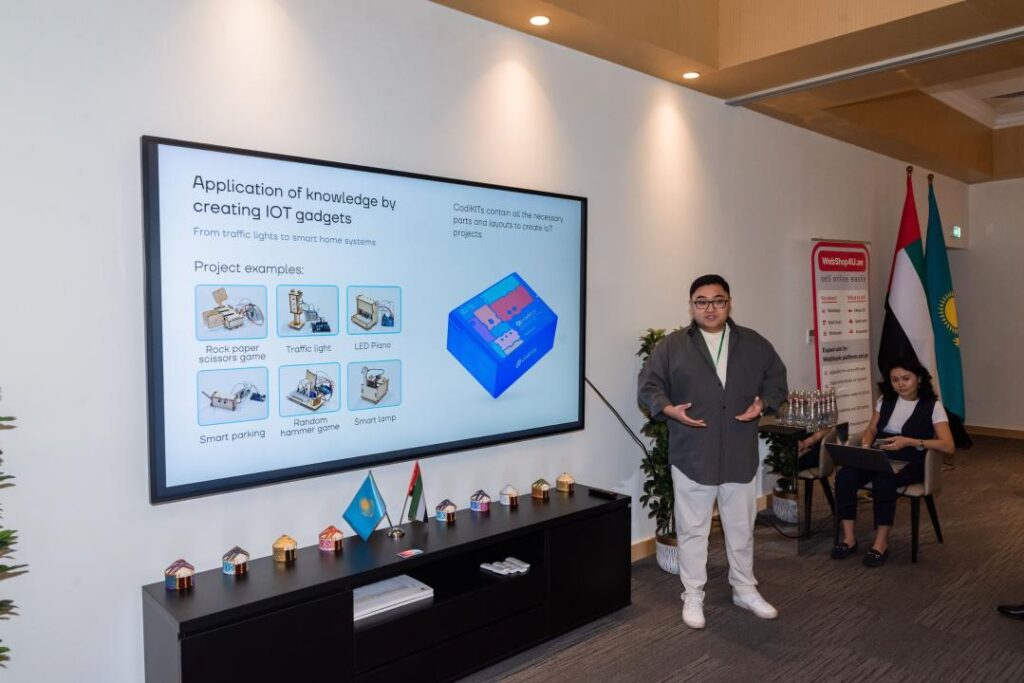
The launch of the Qaz Steppe Innovation Hub took place on March 1st at the Trade House of Kazakhstan in Dubai, UAE. Attending the opening ceremony, Arman Shakkaliev Kazakh Minister of Trade and Integration reported, “The Qaz Steppe Innovation Hub will help promote the Kazakh IT services sector to international markets, unite the interests of business sectors in Kazakhstan and the UAE, enable the development of mutually beneficial cooperation, and increase the competitiveness of our IT companies.” To date, the new platform has already helped present 15 Kazakh start-up projects to the Middle East market and in 2023, the export of Kazakhstani IT services reached $500 million compared to $30 million in 2020. A goal to raise the export of IT services to $1 billion by 2026 has now been set by president of Kazakhstan According to Timur Mauleshov, co-founder of Qaz Steppe Innovation Hub, entry to UAE and Middle East markets will further spur the development of export of high-tech solutions from Kazakhstan. “The Qaz Steppe Innovation Hub will be a unique platform for the implementation of the ambitious task set by President Kassym-Jomart Tokayev to transform Kazakhstan into an IT country. Since 2021, locally based Kazakh start-ups have attracted investments worth over $1 billion. The technological boom that is happening in the UAE today opens up new prospects for our talented specialists and interesting start-ups.”

Turkmenistan and Turkey to Collaborate on Export of Natural Gas to Europe

Turkmenistan and Turkey are to collaborate on a project that will pave the way for transportation of Turkmen natural gas through Turkey to European markets. A declaration of intent on cooperation in the field of hydrocarbon resources, alongside a memorandum on natural-gas partnership between the Turkmen State Concern Türkmengaz and the Ministry of Energy and Natural Resources of Turkey, were signed by Turkish President Recep Tayyip Erdogan and Turkmenistan's Chairman of the People's Council, Gurbanguly Berdimuhamedov at a meeting on the margins of the Antalya Diplomatic Forum on March 1st. The export of Turkmen gas to Europe will necessitate the construction of a gas pipeline across the Caspian Sea to Azerbaijan; a project revisited since the 1990s but not yet implemented. Diversification of natural-gas export routes remains a pressing issue for gas-rich Turkmenistan. Today, China is the largest importer of Turkmen gas, transported by pipeline via Uzbekistan and Kazakhstan. Smaller volumes of Turkmen gas are exported to Russia. Turkmenistan continues to work on the Turkmenistan-Afghanistan-Pakistan-India (TAPI) project to transport natural gas to South Asia. After years of delays in the construction of the Afghan section due to funding and security issues, Turkmen and Afghan authorities are now close to advancing the project.

World Bank Supports Development of Tajikistan’s Emerging E-Commerce Market

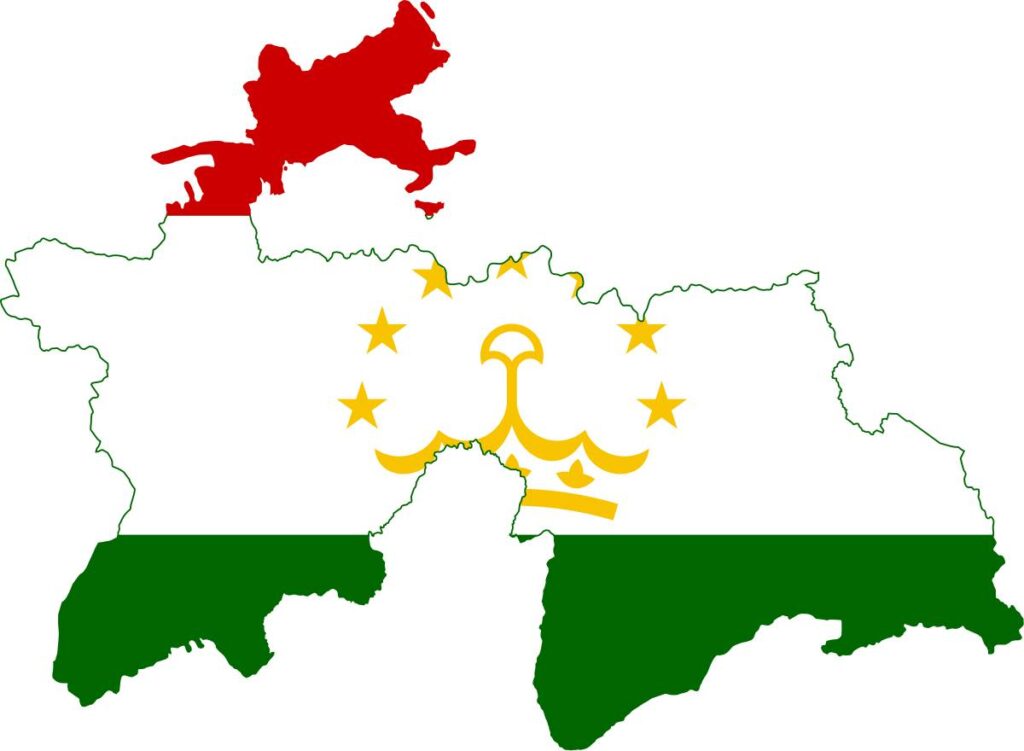
On March 1st, Dushanbe played host to ‘Elevating Global Access through E-Commerce (E-GATE)’, a conference organized by the World Bank and the IFC. A first for Tajikistan, its goal was to facilitate knowledge and resource exchange amongst the country’s small and medium enterprises as well as with regional and global players in the e-commerce ecosystem. “Recognizing the pivotal role e-commerce plays in modern economies, the World Bank is actively supporting Tajikistan in its journey to develop appropriate platforms, including E-GATE,” said Ozan Sevimli, World Bank Country Manager for Tajikistan. “The E-GATE program offers Tajik small and medium enterprises highly valuable membership of global B2B e-commerce platforms to access markets unavailable offline, and provide technical support to the government on drafting enabling legislation, and channel global knowledge to Tajik e-sellers through capacity building activities.” The conference attracted e-commerce stakeholders from Tajikistan, Kazakhstan, Kyrgyzstan, Turkmenistan, and Uzbekistan, as well as global e-commerce giants including Amazon and Alibaba. In landlocked Tajikistan, as in the whole of Central Asia, the emergence of e-commerce is proving a powerful tool to tap into global markets for locally made products, modernize traditional supply chains, and foster growth in employment opportunities. To ensure the smooth functioning of E-commerce operations, Tajikistan recently introduced a ‘On Electronic Commerce’ law. According to ECDB, a specialized e-commerce data analytics company (https://ecommercedb.com/markets/tj/all), Tajikistan is currently one of the smaller markets for e-commerce. The predicted revenue for 2024 is $17.1 million but once developed, is expected to increase by 5.4% per annum resulting in a projected market volume of $21.1 million by 2028.