• KGS/USD = 0.01144 0%
  • KZT/USD = 0.00211 0%
  • TJS/USD = 0.10526 0%
  • UZS/USD = 0.00008 0%
  • TMT/USD = 0.28530 0%
  • KGS/USD = 0.01144 0%
  • KZT/USD = 0.00211 0%
  • TJS/USD = 0.10526 0%
  • UZS/USD = 0.00008 0%
  • TMT/USD = 0.28530 0%
  • KGS/USD = 0.01144 0%
  • KZT/USD = 0.00211 0%
  • TJS/USD = 0.10526 0%
  • UZS/USD = 0.00008 0%
  • TMT/USD = 0.28530 0%
  • KGS/USD = 0.01144 0%
  • KZT/USD = 0.00211 0%
  • TJS/USD = 0.10526 0%
  • UZS/USD = 0.00008 0%
  • TMT/USD = 0.28530 0%
  • KGS/USD = 0.01144 0%
  • KZT/USD = 0.00211 0%
  • TJS/USD = 0.10526 0%
  • UZS/USD = 0.00008 0%
  • TMT/USD = 0.28530 0%
  • KGS/USD = 0.01144 0%
  • KZT/USD = 0.00211 0%
  • TJS/USD = 0.10526 0%
  • UZS/USD = 0.00008 0%
  • TMT/USD = 0.28530 0%
  • KGS/USD = 0.01144 0%
  • KZT/USD = 0.00211 0%
  • TJS/USD = 0.10526 0%
  • UZS/USD = 0.00008 0%
  • TMT/USD = 0.28530 0%
  • KGS/USD = 0.01144 0%
  • KZT/USD = 0.00211 0%
  • TJS/USD = 0.10526 0%
  • UZS/USD = 0.00008 0%
  • TMT/USD = 0.28530 0%

Viewing results 2173 - 2178 of 3276

Tajikistan to Achieve Energy Independence and Become Green Country

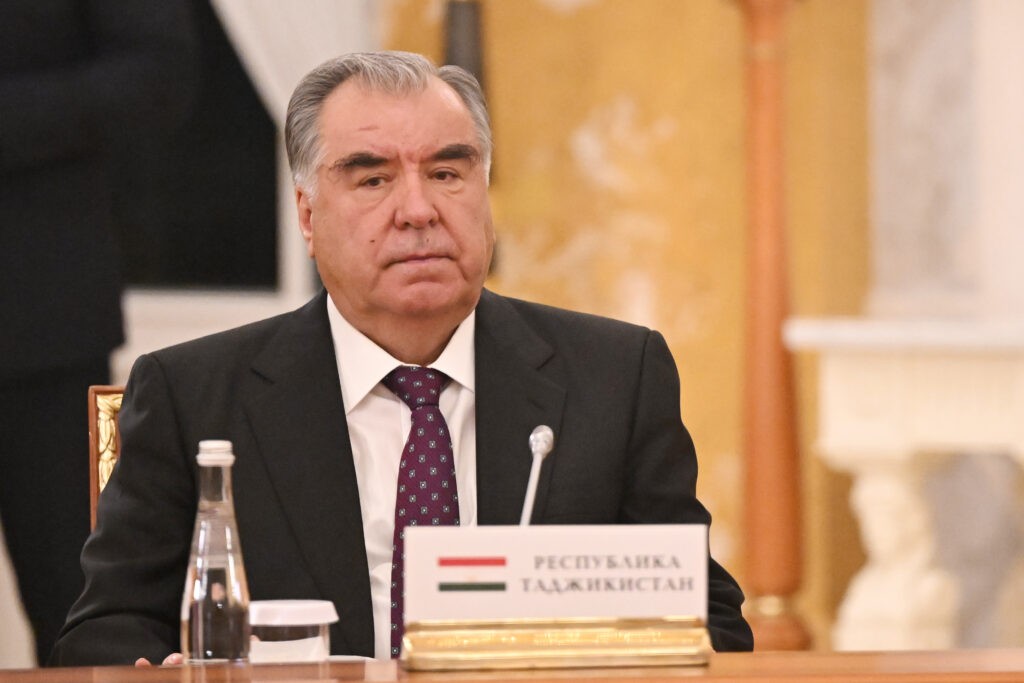
In 2023, Tajikistan’s GDP increased by 8.3% compared to the previous year, and over the past seven years the country’s GDP has grown 1.5-fold while the national economy has developed at an average pace of 7.5%, the President of Tajikistan, Emomali Rahmon stated addressing parliament on December 28th. The President said that prioritizing the prevention of potential risks to the national economy, making efficient use of available resources, industrialization and creating jobs have been the main priorities of the government in recent years. Among Tajikistan’s main concerns, the President said, are the establishment of a “green economy,” accelerating the economy’s digitization, developing human resources, raising the competitiveness of domestically produced goods, bolstering exports, and enhancing the standards of social services. Rahmon said that given the abundance of hydropower resources in Tajikistan, the high production capacity of "green energy" and its export, the Government is making confident steps towards achieving its strategic goal of energy independence. In 2023, Tajikistan’s energy capacity exceeded 6,000 megawatts, and electricity production amounted 22 billion kilowatt-hours, which is 4.8 billion kilowatt-hours or 28% more than in 2017. Rahmon said that Tajikistan will take urgent measures over the next seven years to increase energy exports up to 10 billion kilowatt-hours taking into account the implementation of CAЅA-1000 power transmission line project and re-connection to the Central Asia energy system. The country will also construct power plants using renewable energy sources and increase the "green energy" production capacity up to 1,000 megawatts by 2030. With the implementation of these measures, the President said, by 2032 electricity production in the country will be entirely from renewable sources, that is, 100% will be provided by “green energy, and Tajikistan will truly become a green country,” President Rahmon said.
Kazakhstan Remains Regional Leader in Attracting Foreign Investment, Says PM

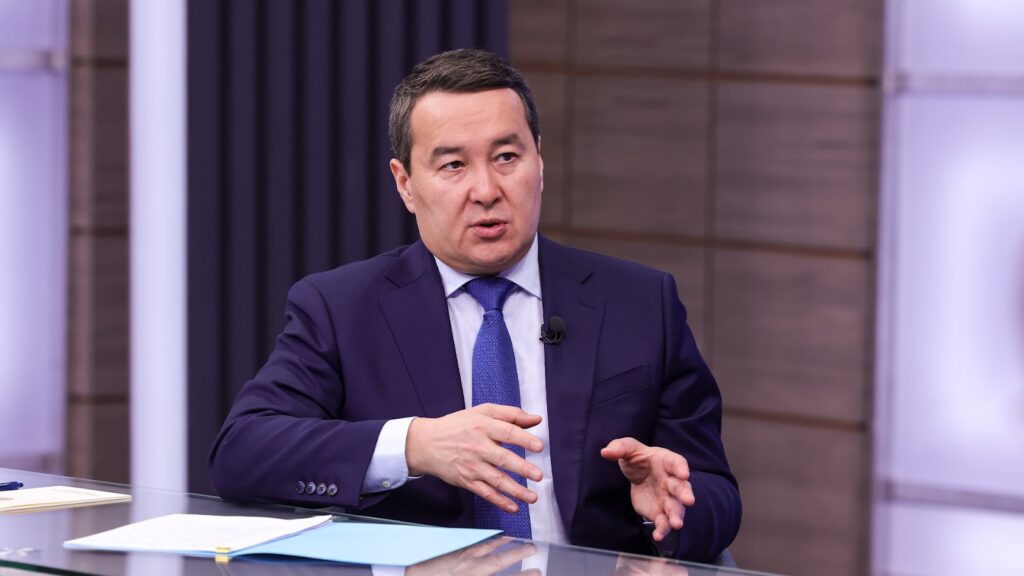
Despite the current global challenges, Kazakhstan remains attractive to foreign investors and is the leader in gross inflow of foreign direct investment in the Central Asian region. Last year, FDI in Kazakhstan grew by 18% and reached $28 billion - a record high for Kazakhstan over the past decade, Prime Minister Alikhan Smailov said in an interview with the 24KZ TV channel. In his words, $13.3 billion was attracted into the country’s economy in the first half of this year, and about $27 billion is expected by the end of the year. Smailov said this was largely possible thanks to the diplomacy of Kazakhstan's President Tokayev, who, in the face of complex geopolitical tensions, is consistently strengthening relations with a wide range of influential players including China, Europe, Russia, the U.S., Turkey, and the Arab world. The Prime Minister also spoke about measures the Government will take to double economic growth in the medium term. “The Government has been given a big task to double the national economy by 2029. In this regard, we will continue to work to stimulate economic activity in the country. We will further reduce inflation and ensure macroeconomic stability,” Smailov said. The Government also has designs on further improving the investment climate. “Every year, we plan to attract at least $25 billion of foreign direct investment. In the future, a nationwide pool of investment projects will be implemented. Thanks to this, more than 160,000 new jobs will be created,” said the Prime Minister. “All this will allow us to ensure economic growth in the medium term at a level of at least 6%. In general, the order of the Head of State to increase the volume of the national economy to $450 billion will be fulfilled,” Smailov concluded.

ADB and Kompanion Bank to Boost Financing of Women-Led and Small Businesses in Kyrgyzstan

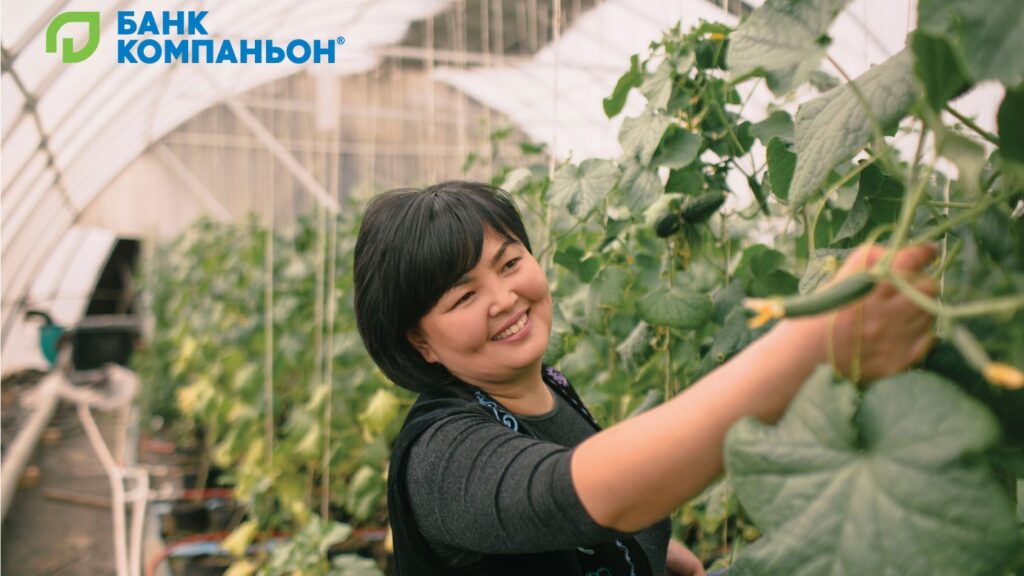
As reported in a news release on its website, on December 28th the Asian Development Bank (ADB) and Kompanion Bank Closed Joint Stock Company on December 28th signed off a loan of up to $5 million in local currency financing to boost micro, small, and medium-sized enterprises (MSMEs) in Kyrgyzstan, especially those owned or led by women. Established in 2004, Kompanion Bank is one of the large commercial banks in the Kyrgyz Republic and dominates the MSME market through its wide network with 93 branches across the country. More than half of Kompanion’s portfolio is with micro and small enterprises. “Women account for about a third of entrepreneurs in the Kyrgyz Republic, but they nevertheless face significant challenges in accessing financial services and credit,” said ADB Director General for Private Sector Operations, Suzanne Gaboury. “This partnership with Kompanion Bank will help bridge the financing gap for women-led small businesses, as well as provide a strong case for the sustainability of local currency lending to these companies.” To strengthen development impact and address finance and bankability constraints, transactions incorporate a credit guarantee from the Asian Development Fund’s (ADF) Private Sector Window facility (PSW) of up to $2.3 million. ADB will also provide technical assistance to Kompanion Bank to enhance its digital capabilities and operational efficiency. “We are happy to be a partner with ADB in this initiative to support micro and small entrepreneurs in the Kyrgyz Republic. We believe that our experience in the MSME market will allow us to make a significant impact on the local economy, and we look forward to working closely with ADB for the benefit of our clients and the community,” said Kompanion Bank CEO, Margarita Cherikbaeva. ADB will also help Kompanion Bank to develop a gender action plan to promote gender equality and women’s empowerment in its business activities. Key activities will include increasing the number of women borrowers and delivering training on improved agricultural practices and digital and financial literacy for female clients.

Kazakhstan and CNPC to Expand Cooperation

The partnership between Kazakhstan and the China National Petroleum Corporation (CNPC) is set to broaden, with plans to implement joint projects in the oil and gas industry. This information was shared during a meeting held via videoconference on December 28th between Kazakhstan's First Deputy Prime Minister, Roman Sklyar, and CNPC President, Hou Qijun. Sklyar highlighted the CNPC as a long-standing strategic and investment partner of Kazakhstan. In response, Qijun expressed the corporation's commitment to expanding its cooperation with Kazakhstan, driven by the agreements made by the leaders of both countries. As part of this renewed alliance, the Kazakh Government is actively working on specific projects within the Framework Agreement on expanding strategic cooperation in the energy sector. This agreement was signed during the state visit of the President of Kazakhstan, Kassym-Jomart Tokayev, to China earlier this year. Current projects under discussion include expanding the production capacity of the Shymkent Refinery in south Kazakhstan, constructing the second line of the Beineu-Bozoy-Shymkent gas pipeline, and conducting joint geological exploration in Kazakhstan.

EBRD to Tackle Bottlenecks on Major Logistical Hub

To tackle the identified bottlenecks within the Trans-Caspian corridor, the European Bank for Reconstruction and Development (EBRD) announced on December 27th its commitment to providing financial support for the enhancement of modern logistical infrastructure. The bank's loan, amounting to up to U$ 40 million, is intended for Kazakhstan’s principal private rolling stock operator, Eastcomtrans. This support aims to bolster the operator's container handling capacity, specifically targeting one of the busiest junctions near Almaty city, thereby ensuring the continuous operation of its railway fleet. Eastcomtrans, an EBRD client since 2014 and the possessor of 8% of the nation’s total rolling stock, will utilize the allocated funds, available in both US dollars and Kazakh tenge, to further advance its Zhetygen logistical center. The investment will also facilitate the acquisition of approximately 250 new railcars and the maintenance of its existing stock. Located in close proximity to the Chinese border and adjacent to Kazakhstan's largest urban area, this upgraded logistical hub will function as a pivotal point along the Trans-Caspian Corridor. It is poised to enhance the smooth flow of cargo traffic across Kazakhstan. Anticipating a surge in trade volumes, especially in container traffic between Asia and Europe, the hub's development aims to accommodate the escalating demand for freight transit.

Gazprom Eyes Central Asia Amid European Sanctions

Facing a shortfall in European gas exports due to Western sanctions, Gazprom anticipates it will sell 34 billion cubic meters of unexported gas to Central Asia, according to recent reports. "In light of the ongoing changes in the global energy market, Gazprom remains committed to ensuring a reliable gas supply to Russian consumers and bolstering export capabilities. A key focus for the company in this regard has been fostering collaboration with Kazakhstan, Uzbekistan, and Kyrgyzstan," Gazprom stated in a press release. The company confirmed a drop in gas exports to Europe of 34 billion cubic meters in the first eleven months of 2023, marking levels not seen since 1996. An earlier announcement by the Ministry of Energy of Uzbekistan unveiled a 15-year gas purchase agreement with Gazprom, extending the deal to include Kazakhstan, which involves a new pipeline construction. In October, reports indicated the commencement of Russian gas deliveries to Uzbekistan through Kazakhstan. However, the specifics of this arrangement have not been disclosed to date. Alexey Miller, Gazprom's chief, outlined plans to expand the Central Asia gas pipeline system in November, highlighting memoranda signed with Uzbekistan, Kazakhstan, and Kyrgyzstan, and expressing optimism that the project will rejuvenate this pipeline network. During the Soviet era, gas from the region was transported to Russia via the Central Asia–Center gas pipeline. After the USSR's dissolution, the pipeline ceased operations and deteriorated, requiring substantial refurbishment to enable gas supplies from Russia to Central Asia. Miller noted the completion of the initial repair stage of the Central Asia-Center gas pipeline, facilitating gas delivery to Uzbekistan via Kazakhstan. Earlier this year, Tashkent inked a two-year gas supply contract with Gazprom amounting to approximately 2.8 billion cubic meters annually. Despite these developments, details regarding the pricing of the purchased gas remain undisclosed. Which according to Uzbekistan's Energy Minister, Zhurabek Mirzamakhmudov, is “in alignment with national interests and market dynamics.”