• KGS/USD = 0.01144 0%
  • KZT/USD = 0.00204 0%
  • TJS/USD = 0.10394 -0.38%
  • UZS/USD = 0.00008 0%
  • TMT/USD = 0.28490 -0.28%
  • KGS/USD = 0.01144 0%
  • KZT/USD = 0.00204 0%
  • TJS/USD = 0.10394 -0.38%
  • UZS/USD = 0.00008 0%
  • TMT/USD = 0.28490 -0.28%
  • KGS/USD = 0.01144 0%
  • KZT/USD = 0.00204 0%
  • TJS/USD = 0.10394 -0.38%
  • UZS/USD = 0.00008 0%
  • TMT/USD = 0.28490 -0.28%
  • KGS/USD = 0.01144 0%
  • KZT/USD = 0.00204 0%
  • TJS/USD = 0.10394 -0.38%
  • UZS/USD = 0.00008 0%
  • TMT/USD = 0.28490 -0.28%
  • KGS/USD = 0.01144 0%
  • KZT/USD = 0.00204 0%
  • TJS/USD = 0.10394 -0.38%
  • UZS/USD = 0.00008 0%
  • TMT/USD = 0.28490 -0.28%
  • KGS/USD = 0.01144 0%
  • KZT/USD = 0.00204 0%
  • TJS/USD = 0.10394 -0.38%
  • UZS/USD = 0.00008 0%
  • TMT/USD = 0.28490 -0.28%
  • KGS/USD = 0.01144 0%
  • KZT/USD = 0.00204 0%
  • TJS/USD = 0.10394 -0.38%
  • UZS/USD = 0.00008 0%
  • TMT/USD = 0.28490 -0.28%
  • KGS/USD = 0.01144 0%
  • KZT/USD = 0.00204 0%
  • TJS/USD = 0.10394 -0.38%
  • UZS/USD = 0.00008 0%
  • TMT/USD = 0.28490 -0.28%

Viewing results 529 - 534 of 831

Plastic Bags, Utensils to Be Met With Fines in Kyrgyzstan’s Issyk-Kul Basin

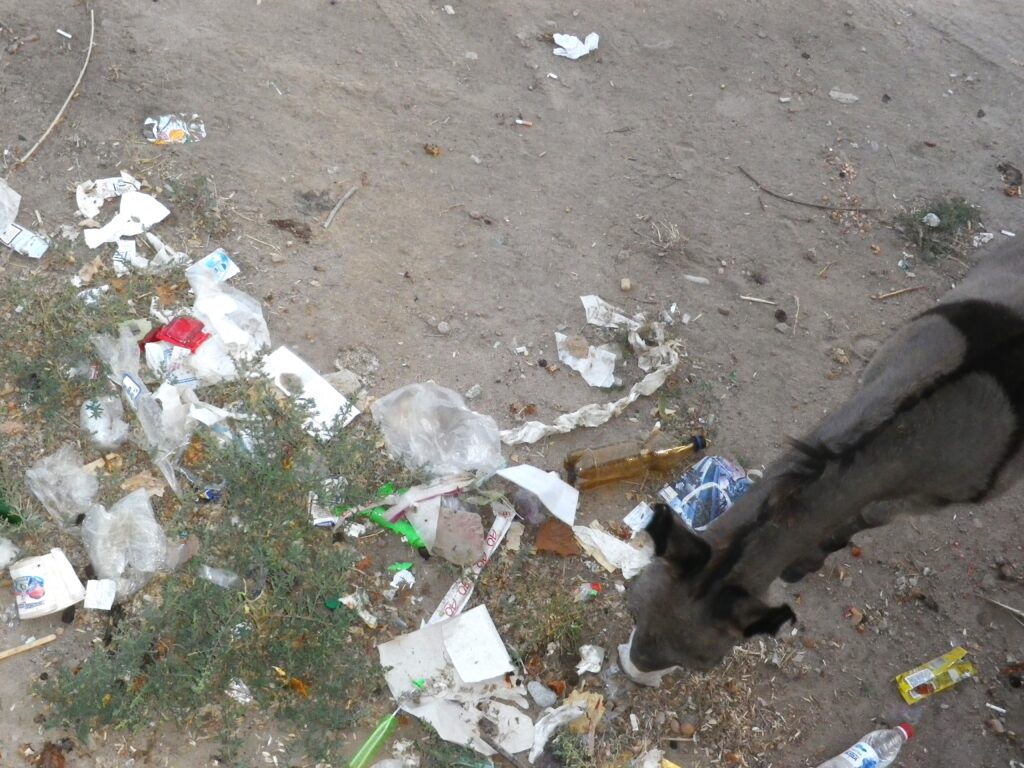
A law imposing fines on the import and sale of plastic bags and utensils is aimed at reducing the harmful effects of polymeric materials on health and the environment in the Kyrgyz Republic, according to the press service of the Ministry of Natural Resources, Ecology and Technical Supervision of Kyrgyzstan. The ban will take effect in the resort and recreational area of Issyk-Kul, as well as in reserves and natural parks of Kyrgyzstan. The ban was signed by President Japarov last year, since when deputies and the Ministry of Natural Resources of have been working on finalizing its details. One sticking point is that the authorities still can't decide whether to ban all plastic or to make an exception for some products. Shashlyk vendor, Issyk-Kul; Photo: TCA "The list of plastic products banned for circulation includes all kinds of disposable plastic utensils, disposable plastic packaging for food, plastic bottles, disposable plastic packaging for eggs, plastic coffee capsules, [and plastic] bags for food," the law states. But, as the Ministry of Natural Resources notes, the law is still being amended and there is a lack of clarity. Meanwhile, food vendors in the Issyk-Kul region say that not all citizens are ready to give up plastic bags and bottles. Therefore, while large stores in Issyk-Kul have stopped selling disposable tableware and replaced them with paper products and Tetra Pak substitutes, the law is poorly enforced in markets and smaller outlets. Lake Issyk-Kul; Photo: TCA According to the Ministry of Natural Resources, Ecology and Technical Supervision, the Supervision Service has not imposed a single fine so far, with only warnings being issued. However, they say that as soon as all of the controversial issues have considered, sellers and producers will be fined. So far, the law applies only to sellers and manufacturers of plastic products. Private individuals can use bags, bottles and disposable tableware. In January of this year, the Issyk-Kul Region became the first in the country where a ban on the circulation of plastic was introduced. From 2027, the law will be expanded to ban the use of plastic containers throughout the country. Businesses are not satisfied, however, complaining that their opinion was not taken into account in drafting the law. In their opinion, it would have been better to prescribe economic incentives for businesses. Currently, they argue, all soft drinks and vegetable oils are bottled in plastic bottles, and it's difficult to find replacements for them. In addition, Kyrgyzstan does not yet have large production facilities for alternative containers such as paperboard-and-foil Tetra Paks or glass bottles. Most plastic goods are imported into Kyrgyzstan from abroad, mainly from countries which are not planning to give up disposable plastic containers and are only increasing their production. Meanwhile, Kyrgyzstan's environmentalists have long been sounding the alarm. The biggest danger to the country's ecology is plastic bottles and cellophane bags, which can be scattered by the wind over a large area. For example, the problem of toxic plastic pollution is particularly acute in...
Kyrgyzstan’s Toktogul Reservoir May Hit “Dead” Level; Blackouts Possible

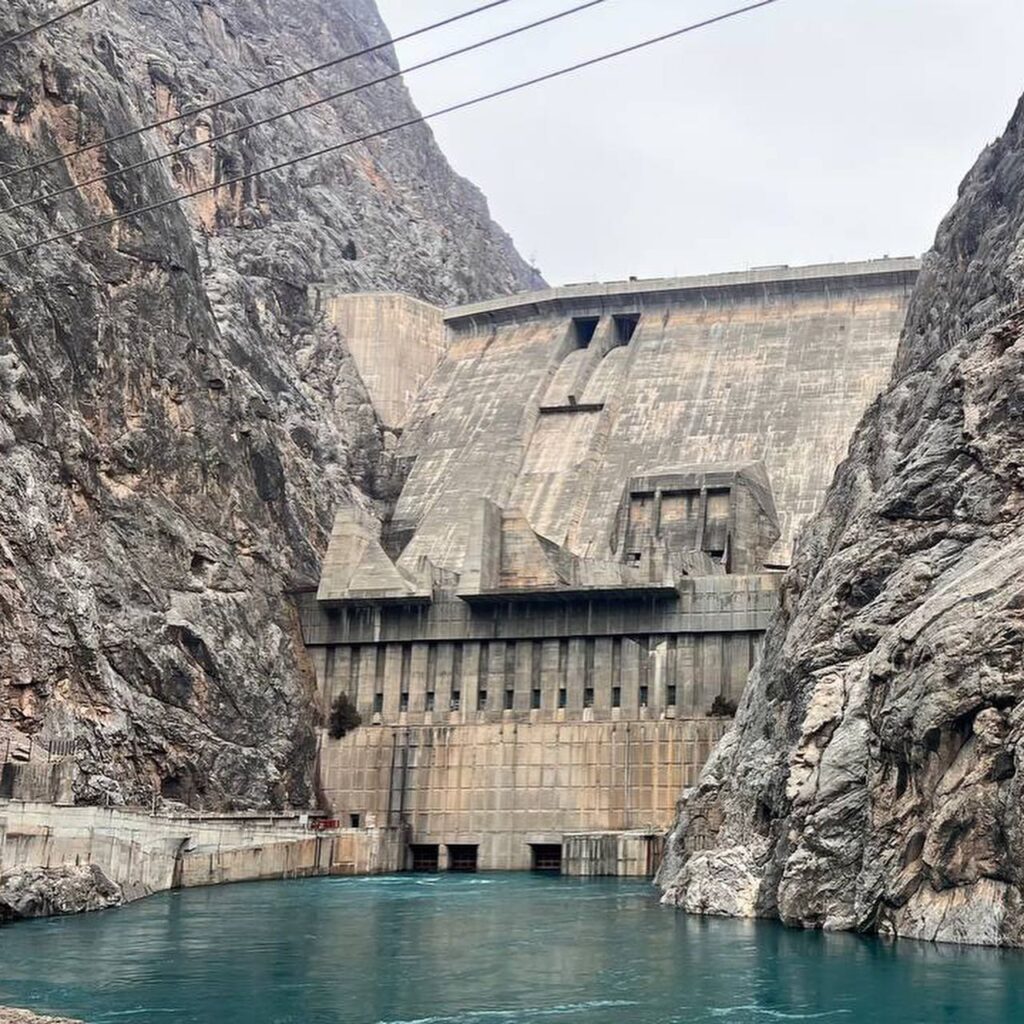
Kyrgyzstan's Energy Ministry has said it will limit electricity consumption "by force" as water in the country's main reservoir becomes increasingly scarce. In addition, major overhauls of the country's main energy facilities are planned for this year, which will also affect power output and consumption. According to official data, the volume of water in the Toktogul Reservoir currently stands at 7.7 billion cubic meters, versus a normal level of 17.3 billion cubic meters. If the water volume decreases by another two billion cubic meters, the Toktogul Hydroelectric Power Plant (HPP) will cease to produce power. "This is a deteriorating indicator. Because of high consumption, the system automation of load limitation is working. This year, due to [demand] imbalance, it is working in the evening peak hours. Therefore, in some areas there may be blackouts. The norm for March is 54 million kilowatt-hours per day, but we are already exceeding this mark. If this rate continues, there is a threat that we will reach the level of "dead water" in the Toktogul Reservoir," said Deputy Energy Minister Talaibek Baigaziyev. The Toktogul HPP cascade includes two hydroelectric power plants: the 1,200 megawatt (MW) Toktogul HPP and the 800MW Kurpsay HPP. Toktogul HPP is the largest plant in Kyrgyzstan, generating 40% of the country's electricity. Starting from March 5th, one of the units of the Toktogul HPP and one units of the Uch-Korgon HPP, located on the Naryn River, will be sent for repair and refurbishment. The Uch-Korgon HPP was commissioned in 1962, and has not had an equipment update since then. According to the Ministry of Energy, the equipment and hydraulic structures of this station are thoroughly outdated and in poor condition. "In such a situation, Kyrgyzstan's energy system will face a power shortage of 290 MW," the Energy Ministry said. Kyrgyzstan is being assisted in repairing the hydropower plants by the Asian Development Bank, which has allocated more than $157 million in loans and grants. It's expected that both hydroelectric units will be repaired by the end of 2024. Just last month an accident occurred at the main thermal power plant of Bishkek, which is also one of the most powerful generating facilities in the country. While the breakdown was remedied reasonably quickly, generation of electricity at the combined heat-power plant (CHPP) was severely curtailed. The authorities have scheduled a major overhaul of the Bishkek CHPP for May-June this year. Regarding the work, engineers released a statement urging consumers to "be careful with electricity and not to turn on several energy-intensive appliances at the same time, especially during peak hours from 06:00 to 09:00 in the morning, as well as from 18:00 to 21:00 in the evening." Due to extremely cold weather and the accident at the CHPP, many people are using more electricity to heat their homes, resulting in increased consumption to 70 million kilowatt-hours per day from a previous level of 54 million.

Turkmenistan and Afghanistan Discuss Collaborative Projects

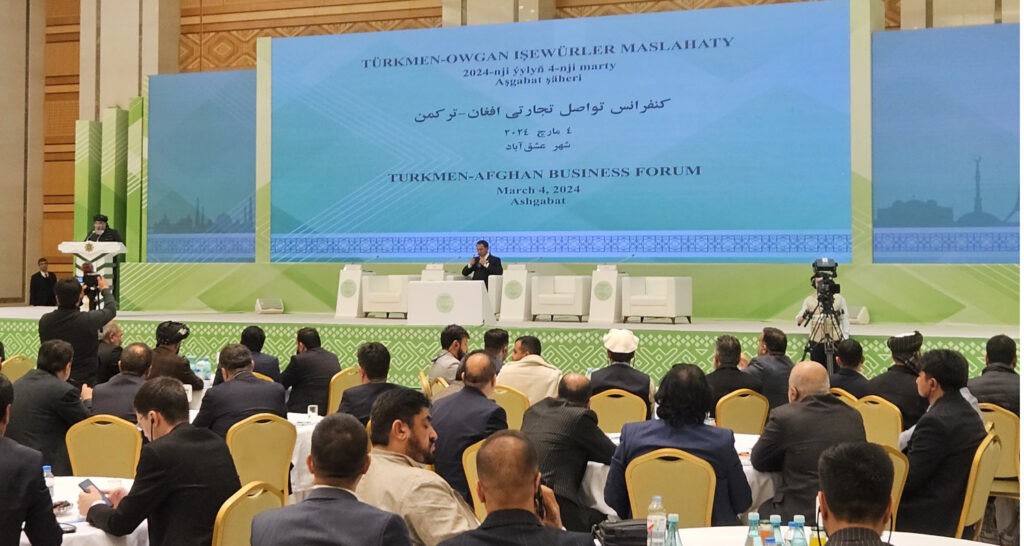
On March 4th, a large Afghan delegation led by Nooruddin Azizi, Minister of Industry and Trade of Afghanistan, participated in a Turkmen-Afghan business forum and exhibition of Afghan goods in Ashgabat. Issues discussed included Turkmen-Afghan partnerships in trade, industry, agriculture, transport, communications, and electricity supply. Also on the agenda were oil and gas which alongside textiles, comprise Turkmenistan’s main exports to Afghanistan. As reported by the Turkmen Foreign Ministry, special attention was paid to the construction of the Turkmenistan-Afghanistan-Pakistan-India (TAPI) gas pipeline and the Turkmenistan-Afghanistan-Pakistan (TAP) high-voltage power transmission line. The group also focused on the establishment of transport routes and in particular, railways from Turkmenistan to Afghanistan. Azizi emphasized the desire of the Afghan business sector to further increase trade with Turkmenistan, develop Afghanistan’s infrastructure, and exploit the transit potential of both countries. Afghan TOLOnews, quoting Mergen Gurdov, head of the Chamber of Commerce and Industry of Turkmenistan, reported that in 2023, trade between Turkmenistan and Afghanistan generated $457 million and this January alone, $46 million. The agro-industrial sector was cited as a promising field for Turkmen-Afghan cooperation, with the Turkmen Foreign Ministry raising the issue of transboundary water resources. Turkmenistan insists that the use of water involves cooperation with neighboring countries, conducted in accordance with international law, and based on principles of mutual respect and in the spirit of traditional good neighborliness. Afghan Minister Azizi pledged that regarding the use of transboundary water resources and construction of water facilities to further the prosperity of his people, Kabul will honour principles of mutual consent and respect for neighboring countries, especially Turkmenistan, with whom Afghanistan has long maintained an amicable relationship. The issue came to the fore last month following Afghanistan’s announcement that construction has begun on the second phase of the Qosh Tepa Canal; a project prioritized by the Taliban- led government since early 2022. By diverting water from the Amu Darya River, the canal will convert 550,000 hectares of desert into farmland in northern Afghanistan, but could also have an adverse effect on agriculture in downstream Uzbekistan and Turkmenistan.

Turkmenistan and Turkey to Collaborate on Export of Natural Gas to Europe

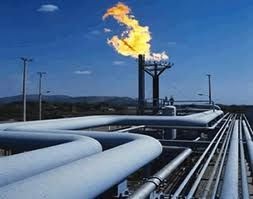
Turkmenistan and Turkey are to collaborate on a project that will pave the way for transportation of Turkmen natural gas through Turkey to European markets. A declaration of intent on cooperation in the field of hydrocarbon resources, alongside a memorandum on natural-gas partnership between the Turkmen State Concern Türkmengaz and the Ministry of Energy and Natural Resources of Turkey, were signed by Turkish President Recep Tayyip Erdogan and Turkmenistan's Chairman of the People's Council, Gurbanguly Berdimuhamedov at a meeting on the margins of the Antalya Diplomatic Forum on March 1st. The export of Turkmen gas to Europe will necessitate the construction of a gas pipeline across the Caspian Sea to Azerbaijan; a project revisited since the 1990s but not yet implemented. Diversification of natural-gas export routes remains a pressing issue for gas-rich Turkmenistan. Today, China is the largest importer of Turkmen gas, transported by pipeline via Uzbekistan and Kazakhstan. Smaller volumes of Turkmen gas are exported to Russia. Turkmenistan continues to work on the Turkmenistan-Afghanistan-Pakistan-India (TAPI) project to transport natural gas to South Asia. After years of delays in the construction of the Afghan section due to funding and security issues, Turkmen and Afghan authorities are now close to advancing the project.

Kyrgyzstan Responds to Climate Change with Artificial Glaciers

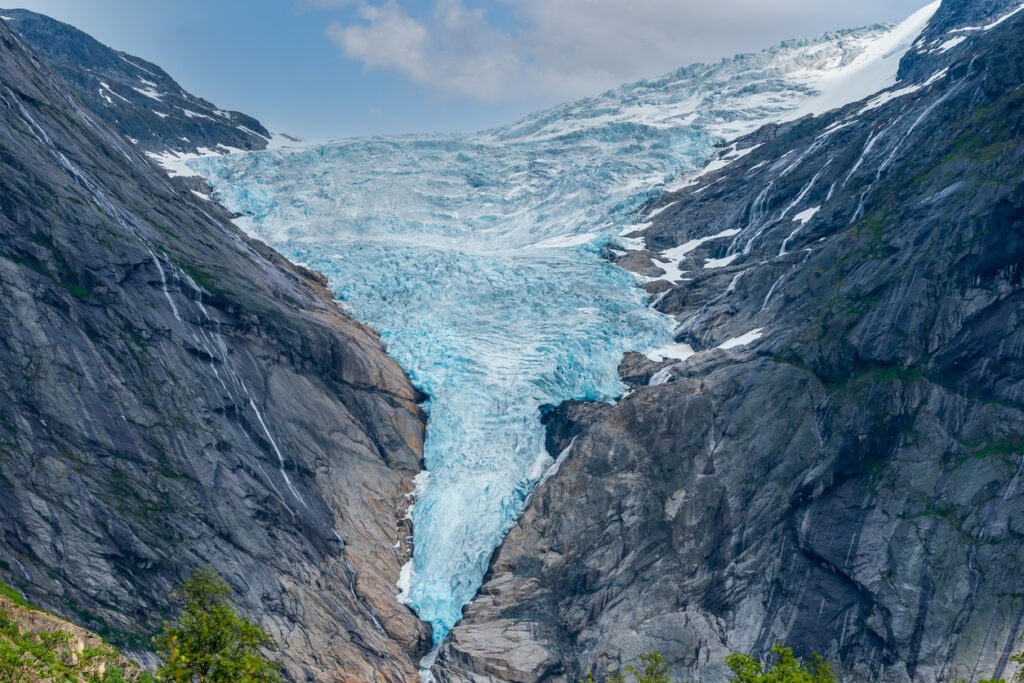
Global climate change, a topic which is always on the minds of scientists around the world, has particularly acute effects in landlocked Central Asia, where water has always been in limited supply, the effects of climate change - a topic increasingly on the minds of people around the world – have been particularly acute. In recent years, the shortage of water in rivers and lakes has had an extremely negative impact on agriculture and livestock farming. With 94% of the country's landmass covered by mountains, Kyrgyzstan feels the negative effects of climate change first and foremost. A harsh continental climate with a wide range of average annual temperature fluctuations (from +40℃ to -40℃) and low precipitation makes livestock farming difficult. In addition, the inaccessible mountainous terrain makes it challenging for local residents to access drinking water - the main source of which is mountain springs. Therefore, artificial glaciers have been created to combat the negative effects of rising temperatures. The first project of its kind appeared in the Republic in 2019 in the village of Jergetal in the Naryn Region. By 2021, the total number of artificial ice deposits had grown to eleven. These numbers continue to grow. In 2022, an artificial glacier was built in the remote pasture of Kara-Dobo in the Jalal-Abad region thanks to the efforts of local residents, and with technical assistance from the UN Food and Agriculture Organization (FAO) and financial support of $5,500 from the UN Peacebuilding Fund. The next year, more villages followed this example to preserve livestock farming in arid areas. The artificial ice in Orozbekov in the Batken Region is expected to help provide sustenance for livestock belonging to the residents of three villages. "Water for the glacier comes from a mountain spring through pipelines,” Chairman of the Pasture Users Committee of the Orozbekov village area, Eminbek Temirbayev explained. “This system works without requiring electricity.” It is believed that the world's first artificial glacier was created in the late 1980s by the engineer, the "Ice Man" Chewang Norphel from the Indian village of Skara in the western Tibetan Plateau. Later, having improved the methods for creating these glaciers, the specialist helped local villagers store and deliver water for fields and pastures. Artificial glaciers are created by freezing a natural spring of water that emerges from a mountain source. Gradually, ice towers of 30 to 50 meters high form around those springs. With warming temperatures, the glacier begins to melt, becoming a prolonged source of drinking water. The relative cheapness of such structures and the simplicity of their design make artificial glaciers a universal means of providing water to residents in arid and hard to access mountainous areas. People only need to install the pipes, and nature will take care of the rest. Given the successful experience with the installations in Kyrgyzstan, the authorities are planning to build four more artificial glaciers in 2024 as part of a joint project in the Batken and Leilek districts of Batken Region. According to the Kyrgyz Zhayity...

USAID Supports Uzbekistan’s First Green Hydrogen Hub

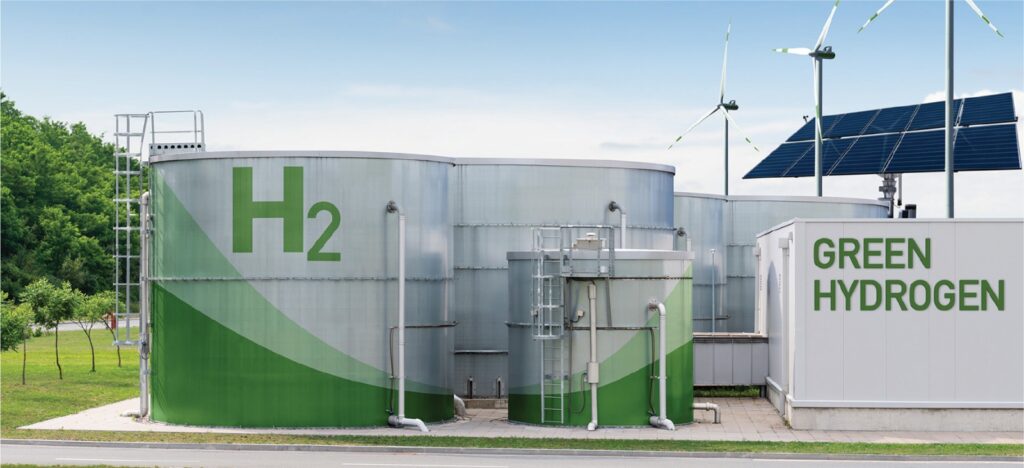
According to a statement issued by the U.S. Embassy in Uzbekistan on February 29th, the United States Agency for International Development (USAID) is set to introduce a new initiative to support Uzbekistan’s clean energy objectives. Under Uzbekistan’s “Strategy for the Development of Renewable and Hydrogen Energy,” the region has a target to increase its generation of renewable energy (solar, wind, and hydro) by 25 percent by 2030, and carbon neutrality by 2050. To support the government’s goals and with the collaboration of the Uzbek Ministry of Energy and energy sector stakeholders, USAID has announced the launch a Green Hydrogen Hub. Edward Michalski, Acting Director of USAID Mission to Uzbekistan, reported, “USAID is committed to supporting the Central Asian countries in the pursuit of clean energy development and other energy priorities, as not just a goal, but a necessity.” By helping to further the energy sector’s expertise in clean energy technologies, the Hub will play an important role in shaping the region’s future energy landscape. A new curriculum on green hydrogen established by USAID in partnership with the University of Delaware, USA, and Tashkent State Technical University, has now been incorporated into a master’s degree program.