• KGS/USD = 0.01144 0%
  • KZT/USD = 0.00210 0%
  • TJS/USD = 0.10528 0.19%
  • UZS/USD = 0.00008 0%
  • TMT/USD = 0.28571 0.28%
  • KGS/USD = 0.01144 0%
  • KZT/USD = 0.00210 0%
  • TJS/USD = 0.10528 0.19%
  • UZS/USD = 0.00008 0%
  • TMT/USD = 0.28571 0.28%
  • KGS/USD = 0.01144 0%
  • KZT/USD = 0.00210 0%
  • TJS/USD = 0.10528 0.19%
  • UZS/USD = 0.00008 0%
  • TMT/USD = 0.28571 0.28%
  • KGS/USD = 0.01144 0%
  • KZT/USD = 0.00210 0%
  • TJS/USD = 0.10528 0.19%
  • UZS/USD = 0.00008 0%
  • TMT/USD = 0.28571 0.28%
  • KGS/USD = 0.01144 0%
  • KZT/USD = 0.00210 0%
  • TJS/USD = 0.10528 0.19%
  • UZS/USD = 0.00008 0%
  • TMT/USD = 0.28571 0.28%
  • KGS/USD = 0.01144 0%
  • KZT/USD = 0.00210 0%
  • TJS/USD = 0.10528 0.19%
  • UZS/USD = 0.00008 0%
  • TMT/USD = 0.28571 0.28%
  • KGS/USD = 0.01144 0%
  • KZT/USD = 0.00210 0%
  • TJS/USD = 0.10528 0.19%
  • UZS/USD = 0.00008 0%
  • TMT/USD = 0.28571 0.28%
  • KGS/USD = 0.01144 0%
  • KZT/USD = 0.00210 0%
  • TJS/USD = 0.10528 0.19%
  • UZS/USD = 0.00008 0%
  • TMT/USD = 0.28571 0.28%

Viewing results 577 - 582 of 870

Kazakhstan Creates Caspian Sea Research Institute

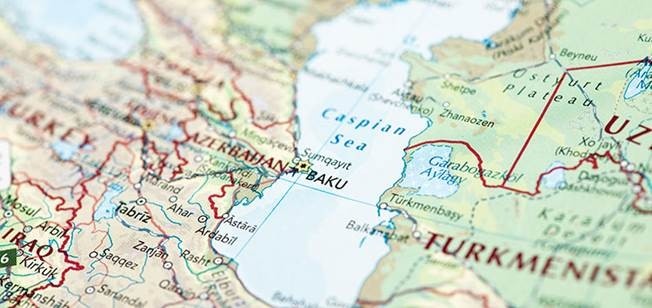
The Kazakhstan government has approved the establishment of the Caspian Sea Research Institute, its Ministry of Water Resources and Irrigation said on January 26th.  The new institute will study the environmental problems of the Caspian Sea, the problem of its decreasing water levels, the causes of mass deaths of seals and fish, and issues of preserving the population of the Caspian seal. The institute will closely interact with similar institutes in other Caspian states. The institute will provide objective and independent information about the ecosystem of the Caspian Sea, the ministry said, adding that its research data will serve as the basis for decision-making by state and local executive bodies concerning Caspian issues.

“Close Your Windows, Avoid Outdoor Exercise” – Residents Fear Air Pollution in Tashkent

On the afternoon of January 27th local time, the level of PM2.5 (fine particles) pollution in the air in Tashkent surpassed the level recommended by the World Health Organization by 23.2 times, according to data from the U.S. Embassy Tashkent AirNow monitoring station. This ranked Uzbekistan’s capital as the third worst city in the world for air pollution, leading to warnings to “avoid outdoor exercise, close your windows, wear a mask outdoors, and run an air purifier.” Thirty-times thinner than a human hair, PM2.5 particles are widely regarded as the most harmful to health.[/vc_column_text][vc_single_image image="14067" img_size="full" el_class="scond-image" parallax_scroll="no" woodmart_inline="no"][vc_column_text woodmart_inline="no" text_larger="no"]Tashkent has been grappling with a serious air pollution crisis for years, and has been consistently ranked among the cities with the highest levels of air pollution worldwide. Several factors contribute to the escalating levels of air pollution in Tashkent. The Ministry of Ecology, Environmental Protection and Climate Change of Uzbekistan has highlighted increasing emissions from coal-burning heat and power plants, motor vehicles, illegal tree felling, and unauthorized construction activities as the key contributors. The number of vehicles in Tashkent has also increased by 32% from 3.14 million in 2021 to 4.6 million in 2023. The majority of these vehicles use A-80 gasoline, a fuel type that does not meet international standards and emits a significant number of pollutants. Moreover, coal usage for electricity generation has also increased, rising from 3.9 million tons in 2019 to 6.7 million tons by the end of 2023, whilst Tashkent's geographical location, surrounded by mountains, exacerbates the problem as it prevents the polluted air from being dispersed by wind.[/vc_column_text][vc_single_image image="14068" img_size="full" el_class="scond-image" parallax_scroll="no" woodmart_inline="no"][vc_column_text woodmart_inline="no" text_larger="no"]In response to this environmental crisis, earlier this month the Ministry proposed several measures including banning motor fuel below the Euro-4 standard, restricting the movement of heavy cargo vehicles during rush hours, banning vehicles manufactured before 2010, promoting electric vehicles, reducing congestion by implementing an odd-even scheme for vehicle movement, pedestrianizing city centers, transitioning public transport to electric and gas-cylinder fuel, imposing a moratorium on construction except for facilities of social and state significance, banning the use of coal for industrial purposes in the Tashkent region, and creating a “green belt” around the city.[/vc_column_text][vc_single_image image="13668" img_size="full" el_class="scond-image" parallax_scroll="no" woodmart_inline="no"][vc_column_text woodmart_inline="no" text_larger="no"]Despite these proposed measures, with such commitments having been made previously, many remain unconvinced about the government's commitment to combating air pollution. "It is now safer to live in Chernobyl than in Tashkent,” Journalist Nikita Makarenko wrote on Telegram. “Where are the measures to reduce cars? Where are the paid parking lots; where are the measures to raise the price of owning a car? Where is the public transport?" Earlier this month, activists in the capital staged a protest to voice their concerns, complaining that the city feels like it is covered in a constant layer of fog which “smells like smoke” and fearing that the government’s response may prove to be a “one-off,” when a long-term strategy is desperately needed. Tashkent is not alone in the region –...

Rain in Tashkent Reduced Air Pollution by Three Times

In the morning on the 25th of January in Tashkent, the level of air pollution by PM2.5 particles was 21 times higher than the World Health Organization (WHO) recommended limit, reaching 104.8 µg/m3. However, after the start of rain in the afternoon, there was a significant improvement in air quality, moving it from the "harmful" to the "medium" category, and the PM2.5 indicator decreased to less than 30 µg/m3. Rain helps improve air quality for several reasons. First, it helps clean particles and pollutants from the atmosphere by depositing them on the earth's surface through the process of atmospheric deposition, where rain drops capture particles and carry them to the ground. Rain also dilutes pollutants in the atmosphere, which reduces their concentration. It can also chemically interact with some pollutants, helping to remove them from the air.

Croatia To Transport Kazakh Oil To European Markets

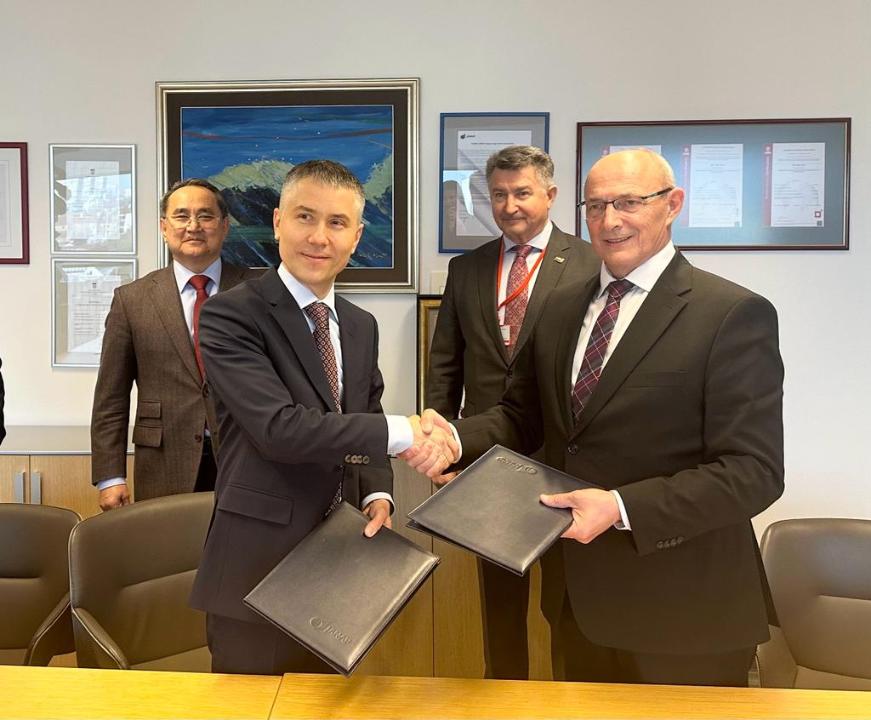
On January 24th a memorandum of understanding was signed in Zagreb, Croatia between Kazakhstan’s national oil and gas company KazMunayGas (KMG) and the operator of the Croatian oil pipeline system, Jadranski naftovod (JANAF). The memorandum was signed by the deputy chairman of KMG, Bulat Zakirov, and the chairman of JANAF, Stjepan Adanić. After the signing ceremony Mr. Adanić commented that the deal will strengthen exports of Kazakh oil to European markets. Kazakhstan's ambassador to Croatia Akylbek Kamaldinov, who attended the signing ceremony, emphasized that Kazakhstan is playing an important role in ensuring that the EU receives reliable supplies of energy resources. He noted that the partnership between KMG and JANAF will make a significant contribution to strengthening energy security. JANAF operates the oil terminal on the island of Krk and the Adria oil pipeline system in Croatia, which plays a key role in transporting oil and petroleum products to the countries of south-eastern Europe. From January-November 2023 more than $303 million worth of Kazakh oil was pumped along this route.  

Aral Sea Parallels Loom Over Lake Balkhash

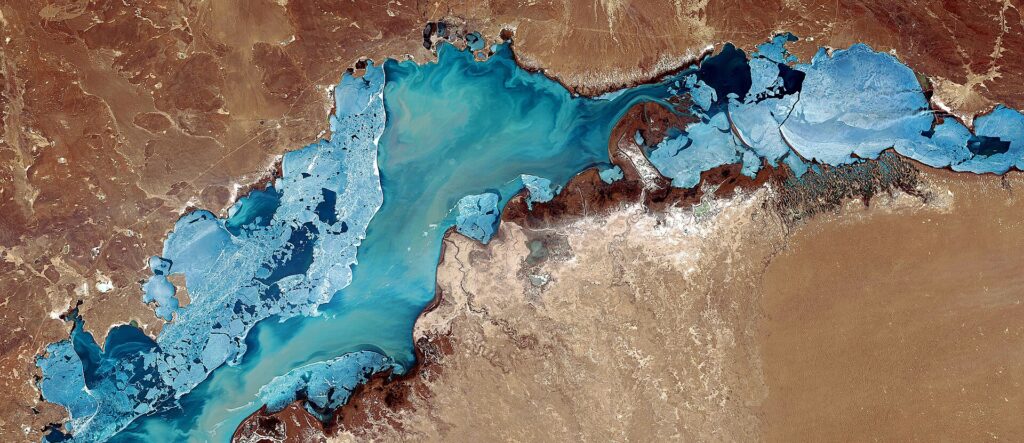
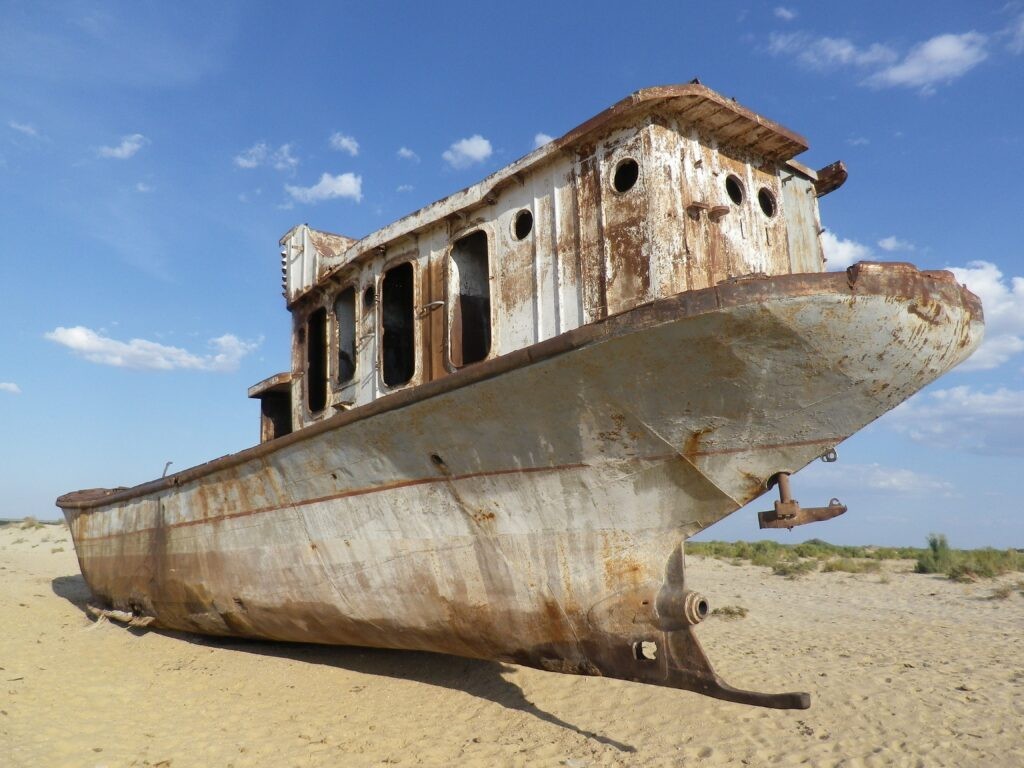
Located 175 miles north-west of the country’s largest city, Almaty, Kazakhstan’s Lake Balkhash is the fifteenth largest lake in the world. The remains of an ancient sea which once covered vast tracts of land, on its shores in the city of Balkhash, a mixture of around 68,000 mostly ethnic Kazakhs and Russians eke out a living, predominantly through fishing and mining. But like its’ sister body of water, the Aral Sea, Lake Balkhash is under threat with its inflow sources diminishing. Fed by glaciers in Xinjiang, China, the Ili River has traditionally accounted for the vast majority of Lake Balkhash’s inflow, but according to research, as of 2021 China was blocking 40% of the river’s inflow, leading to a rise in anti-Chinese sentiments in Kazakhstan. In 1910, Lake Balkhash had an estimated surface area of 23,464 km². As recently as the 1960s, fishermen were netting a catch of over 30,000 tons annually, but by the 1990s, this had fallen to 6,600 tons of significantly less sought-after types of fish. Between 1970 and 1987 alone, the water level fell by 2.2 meters, with projects aimed at halting this decline abandoned as the Soviet Union fell into stagnation before dissolving. Currently, the lake covers a surface area of between 16,400 and 17,000 km². Falling water levels have also led to the appearance of new islands and impacted biodiversity, with 12 types of bird and 22 vertebrates indigenous to the region listed in the Red Book of Kazakhstan as endangered, whilst the Caspian tiger is, in all likelihood, extinct. Meanwhile, contamination from mining, both local and upstream in China, have led to the lake being classified as “very dirty.”[/vc_column_text][vc_single_image image="12326" img_size="full" el_class="scond-image" parallax_scroll="no" woodmart_inline="no"][vc_column_text woodmart_inline="no" text_larger="no"]With desertification now affecting one-third of the Balkhash-Alakol Basin, which includes Almaty, the resultant dust storms are leading to an increase in the lake’s salinity, with silt from these storms further affecting inflow. Parallels to the Aral Sea – arguably the worst man-made environmental disaster in modern history – are all too apparent. Spanning across Kazakhstan and Uzbekistan, the Aral Sea was once the fourth largest inland body of water in the world, covering 68,000 km². The destruction of the Aral Sea first dates back as far as the U.S. Civil War, when, finding his supply of American cotton under threat, the Russian tsar decided to use the sea’s tributaries to irrigate Central Asia and create his own cotton bowl. With 1.8 million liters of water needed for every bale of cotton, the water soon began to run out. By 2007, the Aral had shrunk to one-tenth its original size. Up until the late-1990s, the land surrounding the Aral Sea was still cotton fields; today, it’s largely an expanse of salinized grey emptiness. The desiccation of the landscape has led to vast toxic dust-storms that ravage around 1.5 million square kilometers. Spreading nitrates and carcinogens, these storms - visible from space - used to occur once every five years, but now strike ten times a year.[/vc_column_text][vc_single_image image="13441" img_size="full"...

Italy Proposes Project To Mitigate Climate Change Consequences In Aral Sea

On January 24th Italy’s deputy minister of foreign affairs and international cooperation, Edmondo Cirielli, and deputy minister for the environment and energy security, Vannia Gava, held a meeting with the ambassadors of Kazakhstan, Kyrgyzstan, Turkmenistan, and Uzbekistan in Italy.  At the meeting, the top management of SOGESID SPA, an engineering and specialized technical support company wholly owned by the Italian state, presented a project proposal to mitigate the consequences of climate change in the Aral Sea, an area of Central Asia at high risk of desertification. The project idea, which envisages targeted interventions for the integrated environmental regeneration of the Aral Sea basin, also falls within the framework of the Italian presidency of the EU-Central Asia High-Level Conference on Environment and Water, the Italian Ministry of Foreign Affairs and International Cooperation said.  During the meeting, it was also proposed to consider the involvement of the Italian Climate Fund, the main national public instrument for pursuing the objectives undertaken by Italy in the context of international agreements on climate and environment. The meeting also discussed issues of content for the upcoming meeting of the Ministers of Foreign Affairs in the “Italy + Central Asia” format, which will be held in 2024 in Rome, the Kyrgyz Foreign Ministry said.